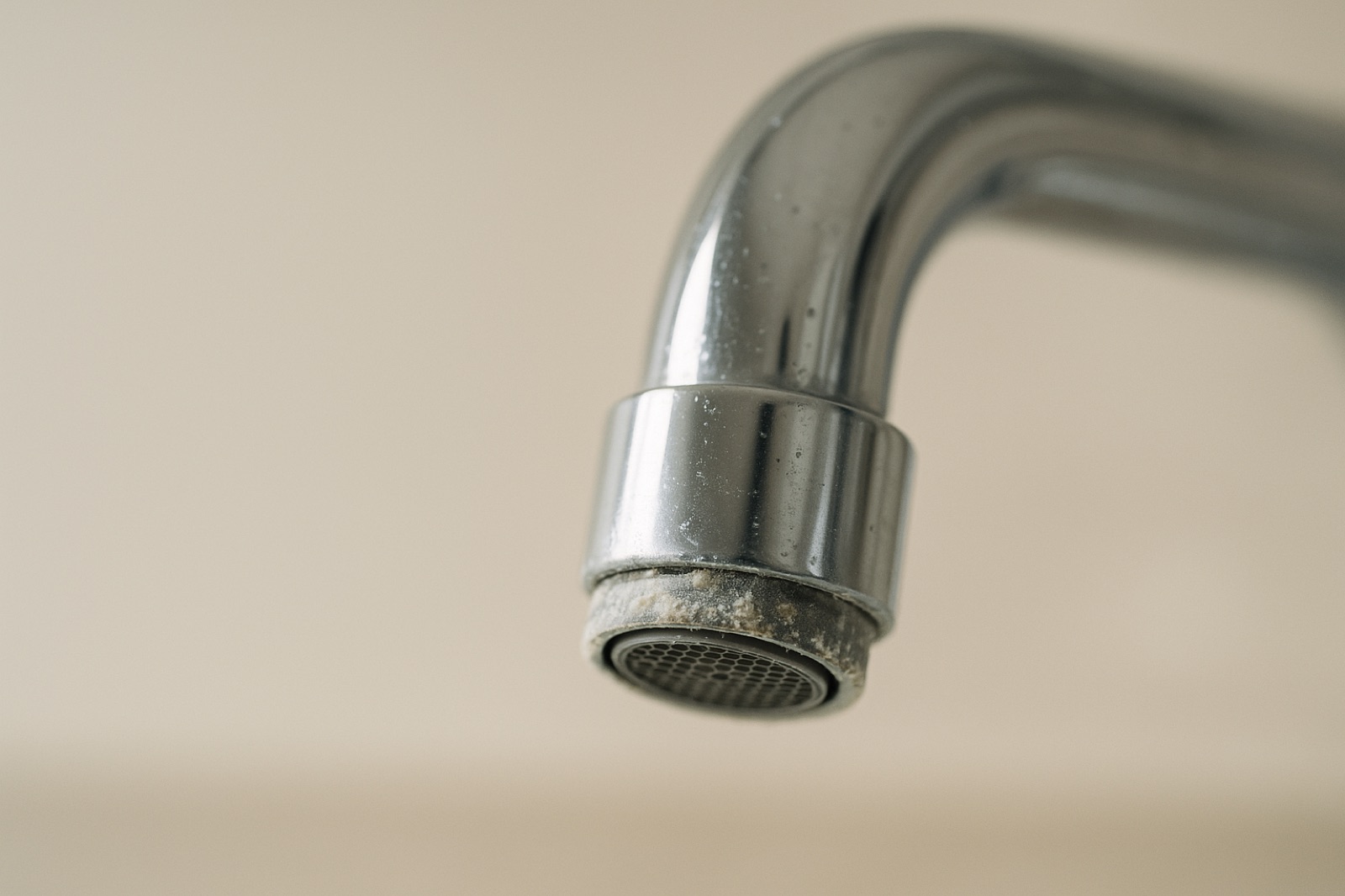
Scale on the shower door, metallic-tasting water, a rotten-egg odor, orange stains, and concern about contaminants can all send you shopping for water treatment. They should not send you shopping for the same equipment.
The better first question is not simply, “Do I need a softener or a filter?” It is, “Which problem should I solve first?” That distinction matters when you have several symptoms, a limited budget, or a salesperson proposing one system as the answer to everything.
Water treatment is receiving broad industry attention. Water Finance and Management reports that WEFTEC, the Water Environment Federation’s annual water quality conference, will return to New Orleans from September 26 through September 30, 2026. More than 23,000 registrants and 1,000 exhibitors are expected, according to the outlet’s preview of the 2026 water conference. For a homeowner, the practical lesson is that “water treatment” covers many different problems and technologies. You still need to define the job inside your own home.
Rank your complaints before comparing equipment
Write down every water complaint, then sort each one by urgency, reach, and evidence. Urgency asks whether the problem may involve safety or is primarily a nuisance. Reach asks whether it occurs throughout the house or at one fixture. Evidence asks whether you have a laboratory result, a hardness measurement, or only a visible or sensory clue.
If you are concerned about an invisible contaminant, testing comes first. Taste, odor, and color can justify investigation, but they do not identify every contaminant or reveal its concentration. Likewise, clear water with no noticeable smell is not proof that nothing unwanted is present.
If the leading problem is crusty mineral buildup on fixtures and heating elements, measured hardness should guide the softener discussion. If your main complaint is chlorine-like taste at the kitchen sink, a drinking-water filter may be the narrower first step. If orange or black stains are appearing, identify the substance before buying equipment. Staining can call for treatment other than an ordinary softener or basic cartridge filter.
Use this first-purchase matrix
| Main problem | Best next step | Why |
|---|---|---|
| Scale, mineral crust, or repeated soap scum | Measure hardness, then evaluate a softener | A softener is designed to address hardness minerals, but the measurement helps with sizing and settings. |
| Unpleasant taste or odor at one drinking tap | Test or identify the likely cause, then compare point-of-use filters | Treating one faucet may be more practical than treating every gallon entering the house. |
| Taste or odor throughout the home | Investigate the source, then consider whole-house filtration | A house-wide complaint may require treatment where water enters the home. |
| Orange, brown, blue-green, or black staining | Test before selecting treatment | Color alone cannot reliably identify the cause or the appropriate equipment. |
| Concern about lead, arsenic, nitrate, bacteria, or another named contaminant | Use a suitable laboratory test, then select certified treatment for that contaminant | A softener is not a general contaminant-removal device, and filters differ in what they reduce. |
| Scale plus a confirmed taste or contaminant problem | Plan separate treatment jobs | You may need both softening and filtration, installed and maintained for distinct purposes. |
Make your testing checklist specific
Before collecting a sample, record whether your home uses a private well or public water, which fixtures show the problem, whether hot and cold water behave differently, and when the symptom appears. Note any existing softener, filter, disinfection device, replacement cartridge, or bypass setting. These details help distinguish a source-water issue from plumbing, water-heater, or treatment-equipment trouble.
Your checklist should also name the decision the result must support. Are you confirming hardness, investigating a stain, selecting a filter for a particular contaminant, or checking whether existing treatment still works? When the problem or sampling plan is uncertain, you can schedule a professional water assessment before purchasing equipment.
Interest in these decisions is measurable. The Home Water Report recorded 3,226 page views, 1,068 visitors, 1,265 search crawls, and 2,891 AI crawls in the supplied reporting period. No assist or customer relationship management data was supplied, so those figures show attention, not purchases or treatment outcomes.
Ask for proof of the promised result
For every proposed system, request a written statement of the problem it is intended to solve, the water conditions used for sizing, required maintenance, expected consumables, and the method for verifying performance. If one product is supposed to correct scale, odor, staining, and a named contaminant, ask how each claim will be confirmed.
Your first purchase should address the highest-priority problem supported by the strongest evidence. Everything else can remain on a second-phase list. That approach gives you a clearer comparison, a more defensible budget, and a practical way to tell whether the treatment worked.