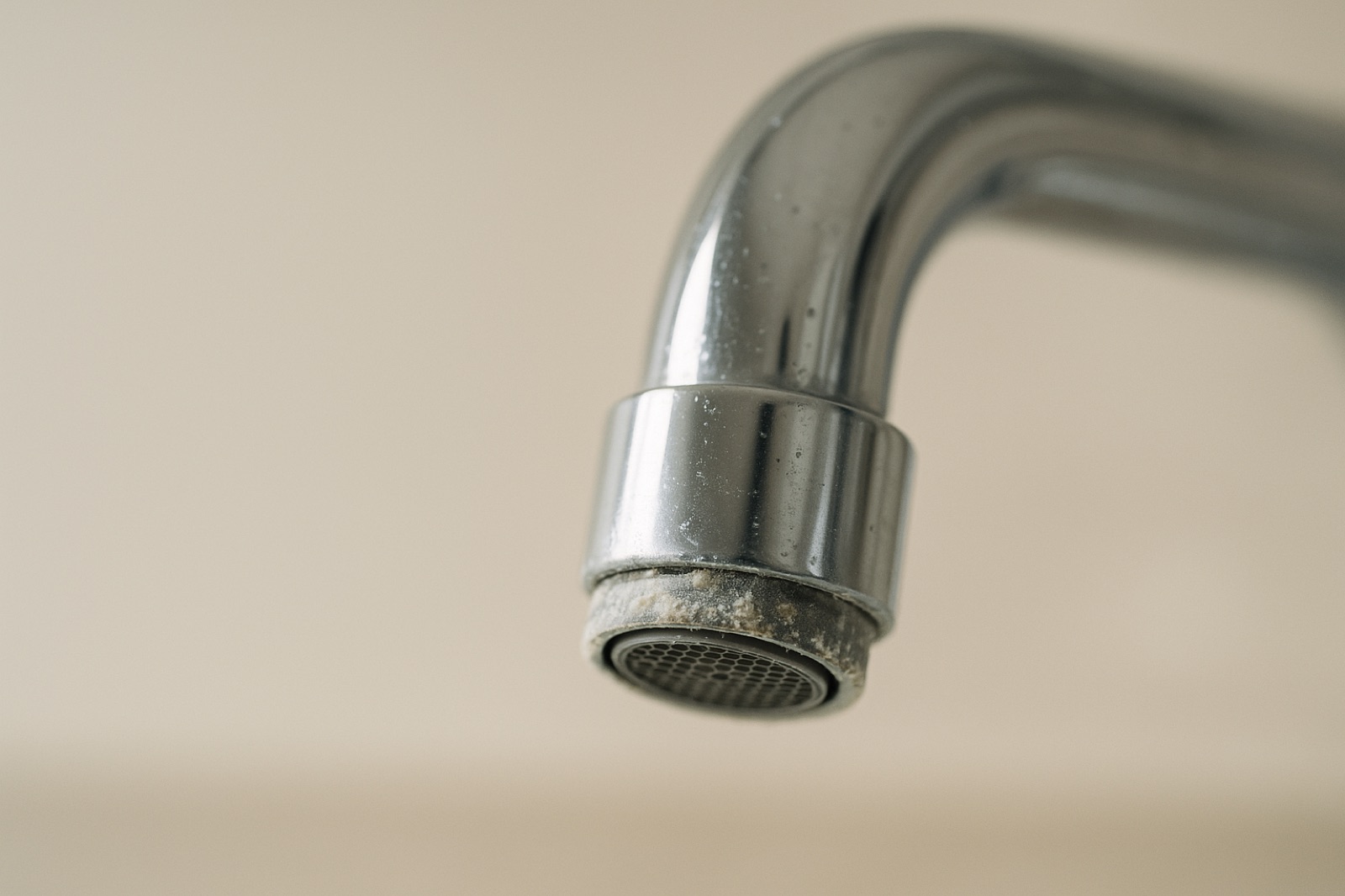
As we face increasingly unpredictable weather patterns, many homeowners are left to grapple with the reality of water shortages. Recent reports highlight how severe weather events can disrupt not just our daily lives but also our access to essential resources like water. For instance, in Puerto Rico, residents have been enduring weeks without water due to a pipeline rupture, highlighting how vulnerable we can be to infrastructural failures and climate-related challenges. Understanding the potential risks and preparing ahead of time can make all the difference.
What Causes Water Shortages?
Water shortages can arise from various factors, including infrastructure issues, climate change, and increased demand. For instance, the recent situation in Puerto Rico demonstrates how a single pipeline failure can create a cascading effect, leaving communities without access to clean and safe water. With climate change leading to more frequent droughts and unpredictable storms, it’s crucial to be prepared for water shortages that might affect your household.
Why Should Homeowners Care?
Water is a fundamental resource for every household, influencing everything from drinking water to gardening and cleaning. When water shortages occur, the implications can be severe, leading to increased costs, emergency measures, and even chaos in communities. As a homeowner, being proactive in water management not only ensures your family’s needs are met but also contributes to a more sustainable future.
What Can Homeowners Do to Prepare?
1. **Install a Water Filtration System**: While this may not solve the problem of shortages, it ensures that when you do have access to water, it is clean and safe for consumption. A filtration system can remove contaminants and improve the taste of your water.
2. **Rainwater Harvesting**: Consider installing a rainwater catchment system to collect and store rainwater. This can supplement your water use during dry spells and reduce reliance on municipal sources.
3. **Use Water Wisely**: Implement water-saving practices in your daily routines. Simple changes, such as fixing leaks, installing low-flow fixtures, and being mindful of outdoor watering, can significantly reduce your household’s water consumption.
4. **Create a Water Emergency Kit**: In areas prone to water shortages, having an emergency kit can be invaluable. This kit should include bottled water, water purification tablets, and a plan for how to access alternative water sources if needed.
5. **Stay Informed**: Keep an eye on local news and water advisories. Understanding the state of your local water supply can help you prepare for potential shortages ahead of time. The changing climate is forcing communities to adapt, and being informed is your first line of defense.
Final Thoughts
With reports of rising temperatures and changing weather patterns, the importance of water management cannot be overstated. The situation in Puerto Rico serves as a stark reminder of how fragile our water supply can be. By taking small but significant steps now, homeowners can safeguard their water needs against future shortages. After all, a little preparation today can lead to a more sustainable and secure tomorrow.