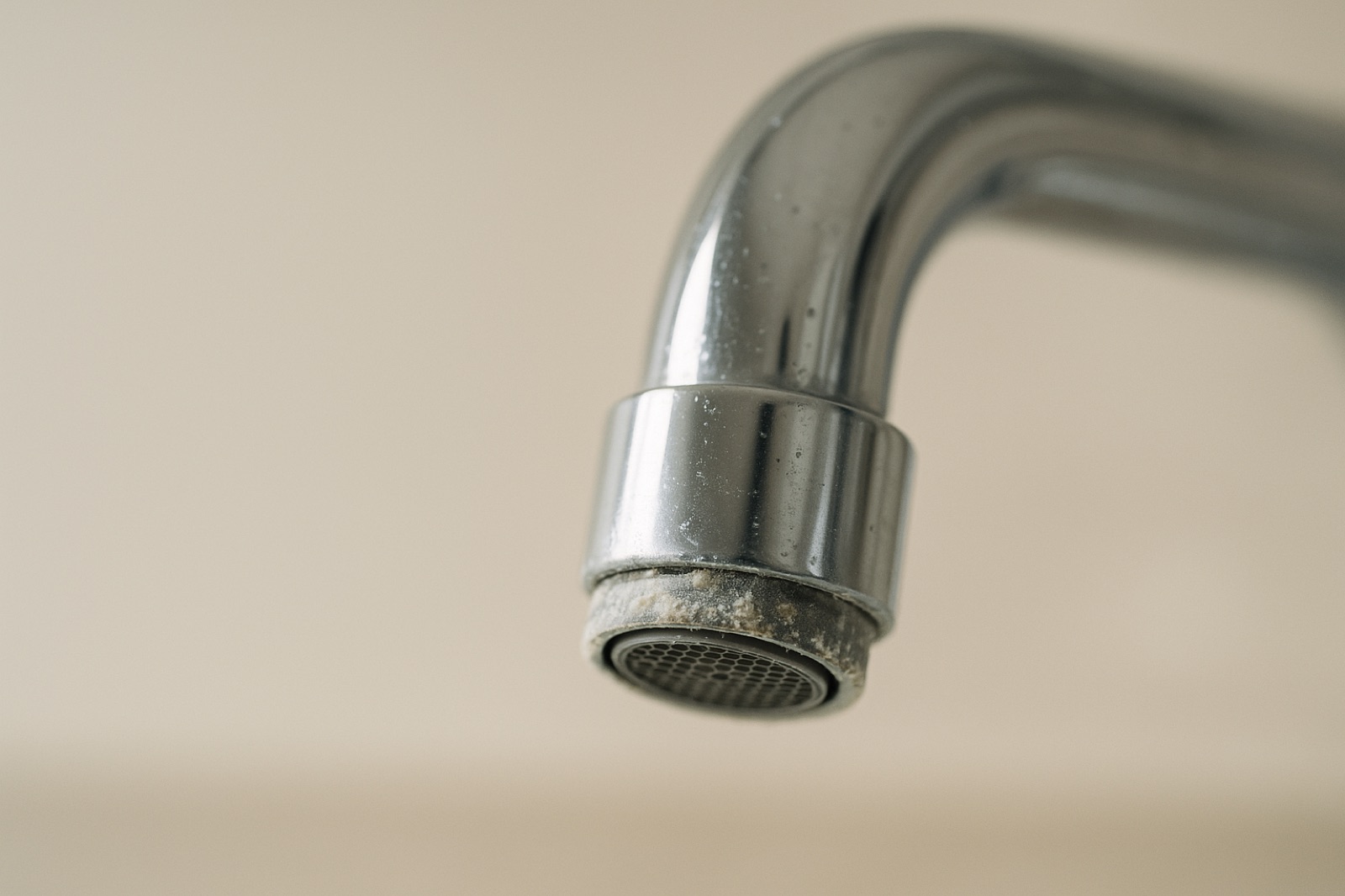
When the power goes out on a sweltering day, your first water question may be simple: Can I still drink from the tap?
Usually, a household power outage by itself does not mean municipal water has become unsafe. Your water utility may continue operating through backup power, stored water, or systems serving a larger area than the affected electrical circuit. But you should not assume everything is fine, either. A loss of water pressure, a utility warning, or a problem with your private well can change the answer.
The issue deserves particular attention during prolonged heat. In a September 11, 2026 story, the Guardian community team asked Americans about extreme heat and power interruptions during what it described as a record-hot summer. The Guardian report on heat and power cuts is a useful reminder that drinking water belongs in your outage plan alongside cooling, food, and phone charging.
Start with the water, not the lights
Check a cold-water faucet. Is the flow normal, noticeably weak, sputtering, or completely absent? Normal pressure is reassuring, although it does not replace an official utility notice. A major pressure drop matters because water systems rely on positive pressure to help keep unwanted material from entering through leaks or damaged connections.
Next, look for messages from your water provider and local government. Check their official website, text alerts, social accounts, or customer-service recording. Your utility may issue a boil-water advisory, a do-not-drink notice, or instructions limited to a particular neighborhood. Those directions outrank general advice because the utility knows what happened within its system.
If there is no notice and your water pressure remains normal, you generally do not need to treat the outage alone as evidence that your tap water is contaminated. Continue watching for updates, especially if the interruption lasts or nearby water service becomes unreliable.
If you receive a boil-water advisory
Follow the utility's exact instructions. Use boiled or commercially bottled water for drinking, preparing food and beverages, making ice, and brushing teeth when those uses are included in the notice. Let boiled water cool in a clean, covered container.
Do not assume your refrigerator filter, pitcher, faucet filter, or standard whole-house filter replaces boiling. Most household filters are designed for particular tastes, odors, particles, or listed contaminants. They are not automatically capable of making microbiologically unsafe water safe. The product label and certification tell you what a device is designed to reduce, not what you hope it might handle during an emergency.
Discard ice made while an advisory was active. After officials lift the notice, follow any flushing and appliance-cleaning directions they provide. That may include running faucets, replacing certain filter cartridges, or emptying an ice bin.
Private wells follow a different rule
If your home uses a private well, the power outage may stop the pump even when water remains in the pressure tank. You might have a small amount available before the flow weakens or stops. Conserve it rather than repeatedly opening faucets to check.
Once electricity returns, confirm that the pump and pressure system are operating normally. Cloudiness, sediment, an unusual odor, flooding near the wellhead, or unexplained loss of pressure calls for caution. Do not rely on appearance alone to judge safety. Contact a qualified well professional or your local health authority about inspection and testing when the system may have been compromised.
A routine outage is not, by itself, proof that a well has been contaminated. The concern rises when there is flooding, damaged equipment, a failed well cap, plumbing work, or pressure loss that suggests the system is no longer sealed and operating normally.
Build a modest water backup
Keep commercially bottled water or properly stored tap water where heat will not degrade the containers. Rotate it periodically, label home-filled containers with the date, and avoid vessels that previously held chemicals. Include enough for drinking and basic food preparation, plus extra for household members with higher needs and for pets.
During an outage, separate three questions: Do I have water, is there an official notice, and is my home's equipment working correctly? That short check is more useful than guessing from the weather or assuming every filter is an emergency purifier. The lights may be off, but the status of your tap depends on the water system serving it.