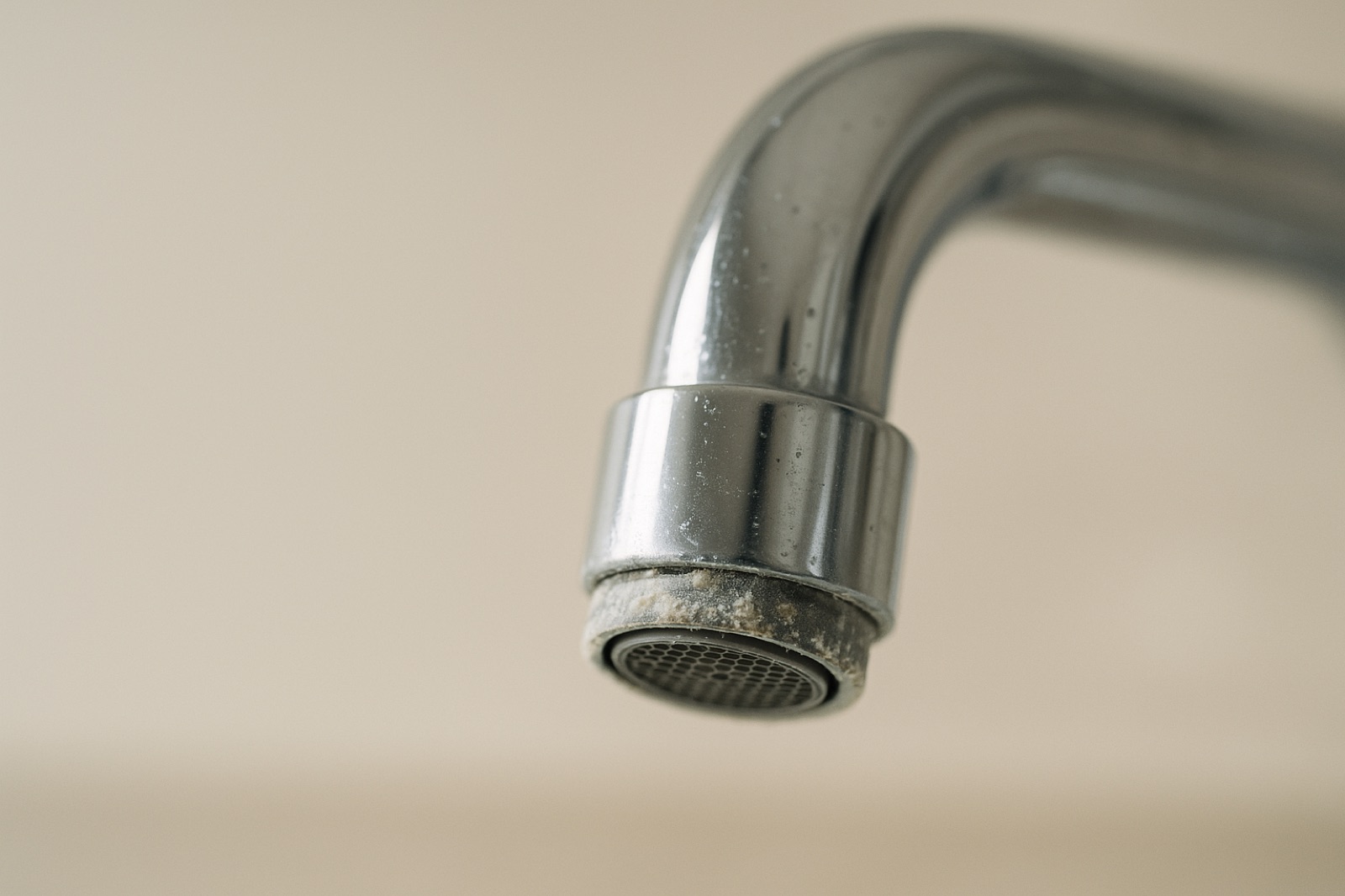
When several water problems appear at once, it is tempting to shop for one system that promises to fix everything. A better approach is to write a one-page treatment brief before you request quotes. The brief separates what you observe from what testing confirms, then assigns each problem to the equipment designed to handle it.
This distinction matters while communities confront much larger water-system needs. WFM Staff at Water Finance and Management reports that the Great Lakes Water Authority released a report documenting Michigan's water infrastructure funding crisis and calling for a sustainable statewide funding strategy. The Michigan water infrastructure funding report is a useful reminder that public infrastructure and household treatment have different responsibilities. A device in your basement may improve water inside your home, but it does not repair a utility system or prove that every possible contaminant has been removed.
Start with five separate problem statements
Give each concern its own line instead of writing something broad such as "bad water." Record where it appears, whether hot and cold water are affected, and whether the problem is constant or occasional.
Scale: Note crust on faucets, spotting on glassware, and deposits around heating appliances. These observations support a hardness investigation, but they do not identify a contaminant.
Taste: Compare water from more than one cold-water tap. If the taste occurs at only one fixture, the faucet, aerator, or nearby plumbing deserves attention before you plan whole-house treatment.
Odor: Record whether the smell comes from hot water, cold water, or both. Also check whether the odor remains after water sits in a clean glass away from the drain. Sometimes the drain, not the water, is the source.
Staining: Write down the stain color and location. Do not choose equipment from color alone. Testing can help distinguish dissolved substances from sediment, corrosion, or a local fixture problem.
Contaminants: Treat this as a testing question, not a symptom diagnosis. Water can look and taste normal while still requiring investigation, and unusual taste or color does not identify a specific contaminant.
Use a softener-versus-filter matrix
| Household concern | Softener | Filter | What you need first |
|---|---|---|---|
| Confirmed hardness and recurring scale | Usually the relevant category | Not a substitute for softening unless specifically designed for that purpose | Hardness result and household water-use information |
| Unwanted taste or odor | Usually not the primary answer | May help when its media is designed for the identified cause | Location check, hot-versus-cold comparison, and appropriate testing |
| Visible particles or sediment | Not the primary job | A sediment filter may be appropriate | Particle observation and a check of the water source and plumbing |
| Staining | Possibly, depending on confirmed water chemistry | Possibly, depending on the substance | Testing before equipment selection |
| Specific contaminant concern | Only if the unit is certified for that reduction | Only if the filter is certified for that reduction | Contaminant-specific result and certification review |
The key word in this matrix is "specific." Filter is a broad equipment category, not a performance guarantee. Ask for the exact model, treatment media, rated capacity, replacement schedule, and applicable independent certification. For a softener, ask how its size was calculated, how regeneration is controlled, and what ongoing salt and maintenance the household should expect.
Complete the testing checklist
Before comparing proposals, gather the following:
- Your water source, municipal supply or private well.
- Recent utility water-quality information, when available.
- Results for hardness if scale is the concern.
- Targeted laboratory results for any contaminant you want to reduce.
- Samples or observations from affected and unaffected taps.
- Notes showing whether hot water, cold water, or both are involved.
- Photos and dates showing when staining or buildup returns after cleaning.
- A list of the exact outcomes you expect from treatment.
If you are unsure which tests fit the pattern, schedule a professional water assessment before asking a seller to size equipment. Your final quote should connect every proposed component to a result or a clearly documented household goal.
Let reader demand guide the format, not the diagnosis
The Home Water Report recorded 3,226 page views, 1,068 visitors, 1,265 search crawls, and 2,891 AI crawls. No assist or CRM data was supplied. Those figures show that people and automated systems are finding this material, but they cannot reveal which equipment any particular home needs. For Erica and any homeowner facing a crowded sales proposal, the useful takeaway is simpler: write down each water problem, test what cannot be identified by observation, and require every recommended device to have one defined job.