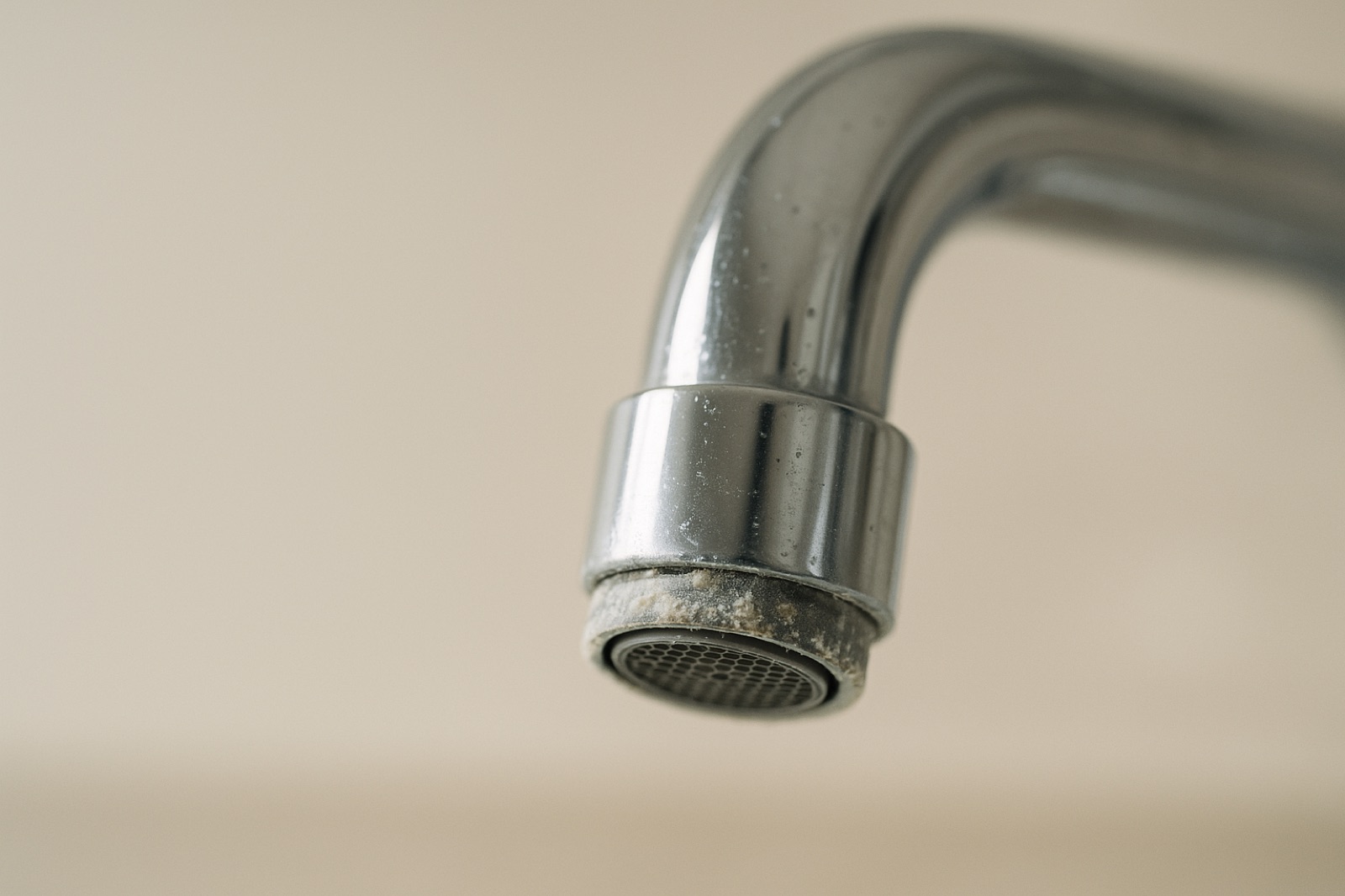
As a homeowner, you might be surprised to learn how much your water quality can vary from season to season and even month to month. Regular water testing is a proactive way to ensure that the water you are using for drinking, cooking, and bathing is safe and healthy. With recent events highlighting infrastructure challenges across the United States, including the ongoing issues in Jackson, Mississippi, it's clear that monitoring your water quality is more important than ever.
Why Test Your Water?
Water testing allows you to identify contaminants that may affect your health or your home’s plumbing. Issues like lead, nitrates, and bacteria can go undetected without proper testing. The U.S. Environmental Protection Agency (EPA) recommends that homeowners test their water annually, especially if they use well water or live in an area with known water quality issues.
Understanding Your Water Supply
Many homeowners rely on municipal water systems, which typically undergo regular testing. However, as we have seen in places like Jackson, where the public trust has been shaken due to water quality concerns, it’s wise to take matters into your own hands. According to a recent article from Water Finance and Management, “AMI Project Key in Reversing Non-Revenue Water, Restoring Public Trust” discusses how advanced metering infrastructure can help restore confidence in water systems. While technology plays a role in municipal management, household testing still remains a vital aspect of ensuring your home's water quality.
What Contaminants Should You Test For?
The specific contaminants you may want to test for can depend on your local environment and plumbing materials. Here are some common ones:
- Lead: Often leached from old pipes, lead can have serious health implications, especially for children.
- Nitrates: Frequently found in agricultural areas, high levels of nitrates can be harmful, particularly in drinking water.
- Bacteria: The presence of coliform bacteria indicates that harmful pathogens may be present.
- Fluoride: Although beneficial in small amounts for dental health, excessive levels can be harmful.
How to Test Your Water
Testing your water can be straightforward. You can purchase a home water testing kit, which usually includes a series of tests for common contaminants. Alternatively, you can send a sample to a certified laboratory for a more comprehensive analysis. Be sure to follow any instructions provided and check the expiration date on any test kits.
Interpreting Results
Once you have your results, you might feel overwhelmed by the numbers and technical jargon. Remember that you don't have to navigate this alone. Local health departments or water quality experts can help you understand what the results mean and what steps you should take next. For instance, if testing reveals unsafe levels of contaminants, knowing how to effectively remove or reduce them is crucial.
Staying Informed and Engaged
In addition to testing your own water, staying informed about broader water quality issues in your community is essential. For example, the recent funding of over $227 million by the EPA for American Indian Tribes and Alaska Native Villages aims to improve drinking water and wastewater services, indicating a growing recognition of water access issues. As reported by Water Finance and Management, this investment serves as a reminder that many communities still struggle with safe water access, making your diligence in testing your water even more important.
Conclusion
Testing your water is not just about determining safety; it’s about peace of mind. In a world where water issues are increasingly prominent, being proactive can save you time, money, and health concerns down the line. Regular testing, staying informed about local water quality, and knowing your options can empower you to make the best decisions for you and your family. Your home deserves safe, clean water, and you can take charge of that quality.