As a homeowner, ensuring that your water is safe and clean should be a top priority. Water quality can fluctuate due to a variety of factors, including seasonal changes, local infrastructure issues, and even nearby industrial activities. Regular water testing can help you catch potential problems before they become serious, keeping your family safe and your water supply healthy.
Why Test Your Water?
Testing your water gives you a clear picture of what's flowing from your taps. From hard minerals to dangerous contaminants, knowing what’s in your water helps you make informed decisions about filtration and treatment options. With increasing concerns about pollutants like PFAS and microplastics, understanding your water’s quality is more critical than ever.
For instance, a recent article from Water Finance and Management discusses how PFAS have reshaped the drinking water regulatory landscape. These synthetic chemicals are found in various products and have been linked to adverse health effects. Regular testing can help identify their presence in your drinkable water.
DIY Testing vs Professional Testing
You may wonder whether to opt for DIY water testing kits or hire a professional service. DIY kits can be an excellent initial step for homeowners. They are generally affordable and provide a quick overview of basic parameters such as pH, hardness, and the presence of some common contaminants. However, they may not identify everything that could be affecting your water quality.
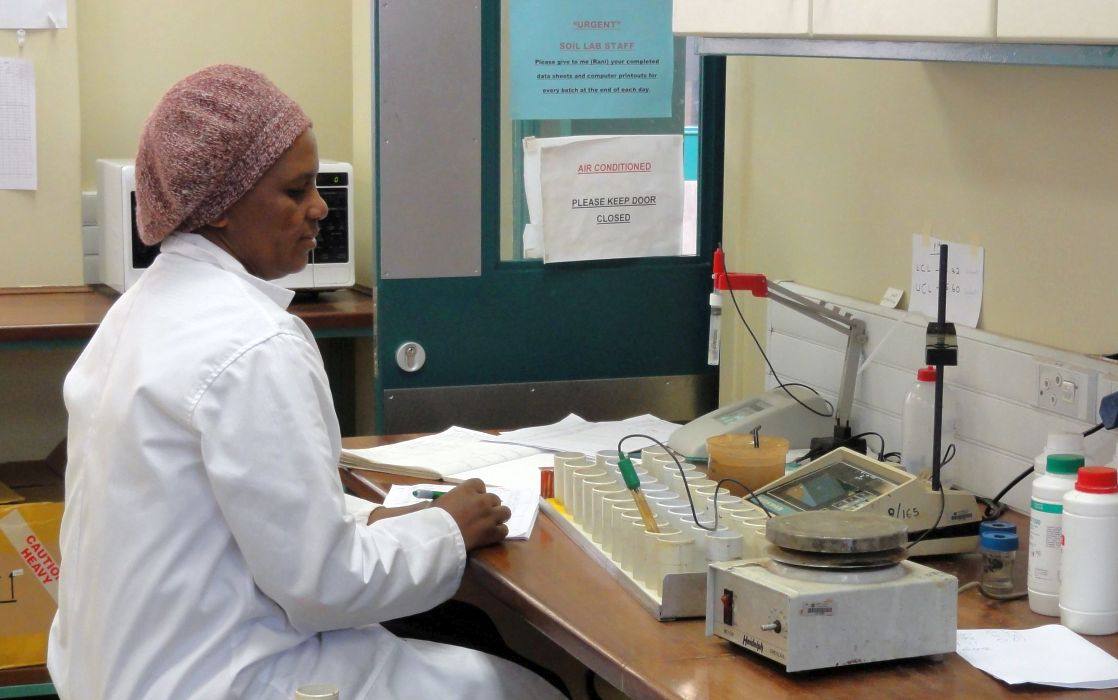
On the other hand, professional testing can provide a more comprehensive analysis. Professionals have access to advanced testing methods that can detect a wider range of contaminants, including heavy metals and microbial pathogens. While this option may be pricier, it can offer peace of mind, especially if you suspect serious issues.
When to Test Your Water
While routine testing is beneficial, certain situations warrant immediate action. If you've experienced changes in taste, odor, or color, it's time to test. Additionally, if your home uses well water, testing should be done at least annually due to potential contamination from nearby agricultural or industrial activity. If you live near a site with industrial activity, consider testing more frequently.
A recent article from Circle of Blue highlights how local environments can be affected by industrial activities, such as those related to fossil fuels, potentially impacting water quality. Understanding these risks in your area makes a strong case for regular testing.
How to Interpret Results
Once you have your results, understanding them is crucial. Most testing kits come with an easy-to-read guide, but you may still have questions. When in doubt, don’t hesitate to consult local water authorities or a professional. They can help you make sense of what the numbers mean and advise on the next steps.
Some homeowners may opt for filtration systems based on their test results. While some contaminants can be remedied with simple filtration methods, others may require more advanced solutions. Knowing the specific issues with your water will guide you to the most effective treatment.
Conclusion
In a world where water quality is increasingly under scrutiny, taking the time to test your water can protect your family and enhance your home’s value. Understanding the state of your water supply is essential, not just for your health but also for your home’s overall well-being. Remember, it’s always better to know than to assume. Make water testing a regular part of your home maintenance routine - it’s a small investment that pays off in peace of mind.