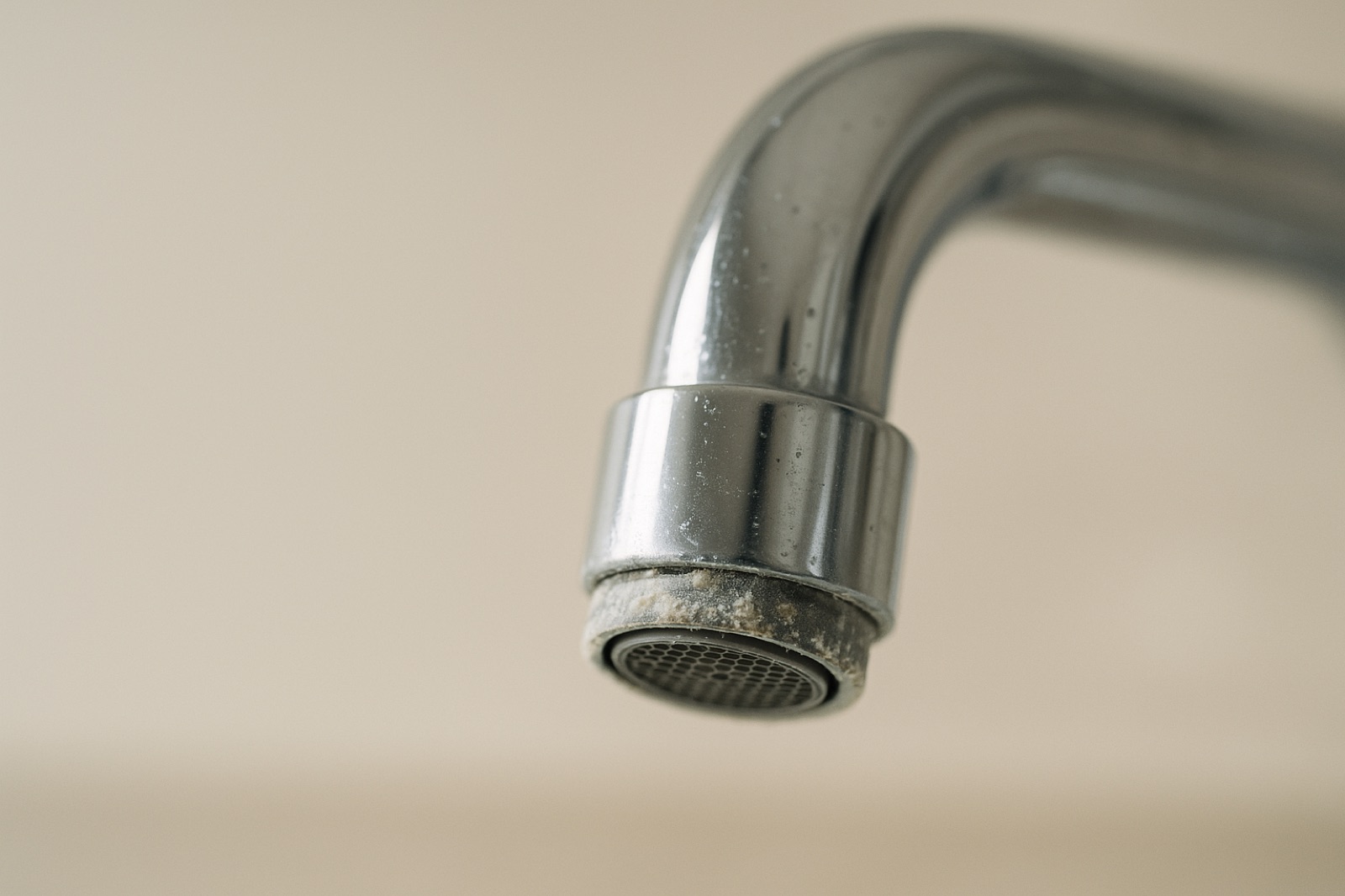
As a homeowner, ensuring the quality of your water is essential for both your health and the longevity of your plumbing. With increasing concerns over contaminants in water supplies, understanding the importance of regular water testing is more crucial than ever.
The Evolving Water Landscape
Recent news highlights the ongoing challenges faced by water management systems across the country. For instance, the Colorado River, a vital resource for many regions, is under significant stress due to a long-term drying trend exacerbated by climate change and pollution. According to an article from Circle of Blue, "local managers choose partnership" to address these water scarcity issues. As resources become more strained, the burden of ensuring safe water quality falls increasingly on individual homeowners.
Why Test Your Water?
Testing your water regularly can help you identify potential contaminants and protect your family's health. Various factors can affect your water quality, including aging infrastructure, nearby industrial activities, and agricultural runoff. Even if your municipality provides a water quality report, it may not cover specific contaminants that could be present in your home, such as lead from old pipes or chemicals from nearby industries.
Identifying Common Contaminants
Among the many contaminants you may need to test for, some of the most concerning include:
- Lead: Often found in older plumbing, lead can leach into drinking water, especially when the water sits in pipes for an extended period.
- PFAS: Known as "forever chemicals," these substances have been linked to various health issues and are increasingly being found in groundwater across the country. A report from Circle of Blue emphasizes that communities like North Bay are facing dire contamination issues.
- Microorganisms: Bacteria and viruses can enter your water supply from various sources, leading to illness if consumed.
- Nitrates and Nitrites: These compounds can come from agricultural runoff and can be particularly harmful to infants.
How Often Should You Test?
Frequency of testing can depend on several factors:
- If you use a private well, the CDC recommends testing at least once a year.
- For homes with lead plumbing or fixtures, consider testing more frequently.
- If you notice changes in taste, odor, or appearance, conduct an immediate test.
Getting Your Water Tested
Testing your water can be as simple as purchasing a home testing kit from your local hardware store or sending samples to a certified laboratory. Home kits can provide quick results for common issues, but for a comprehensive analysis, professional testing is often the best route.
After receiving your test results, you can take the necessary steps to address any concerns. Many water quality issues can be mitigated with appropriate filtration systems or through plumbing upgrades.
Staying Informed and Proactive
As water quality issues become increasingly prominent, it is essential for homeowners to stay informed about their water supply. By regularly testing your water and understanding the potential contaminants, you can take control of your household water quality. This knowledge empowers you to make informed decisions about filtration systems and necessary plumbing repairs, ensuring that your home remains a safe haven for your family.
Remember, water quality is not just a local issue; it is a growing concern that affects communities nationwide. By taking proactive measures, you contribute to the health of your family and the environment.