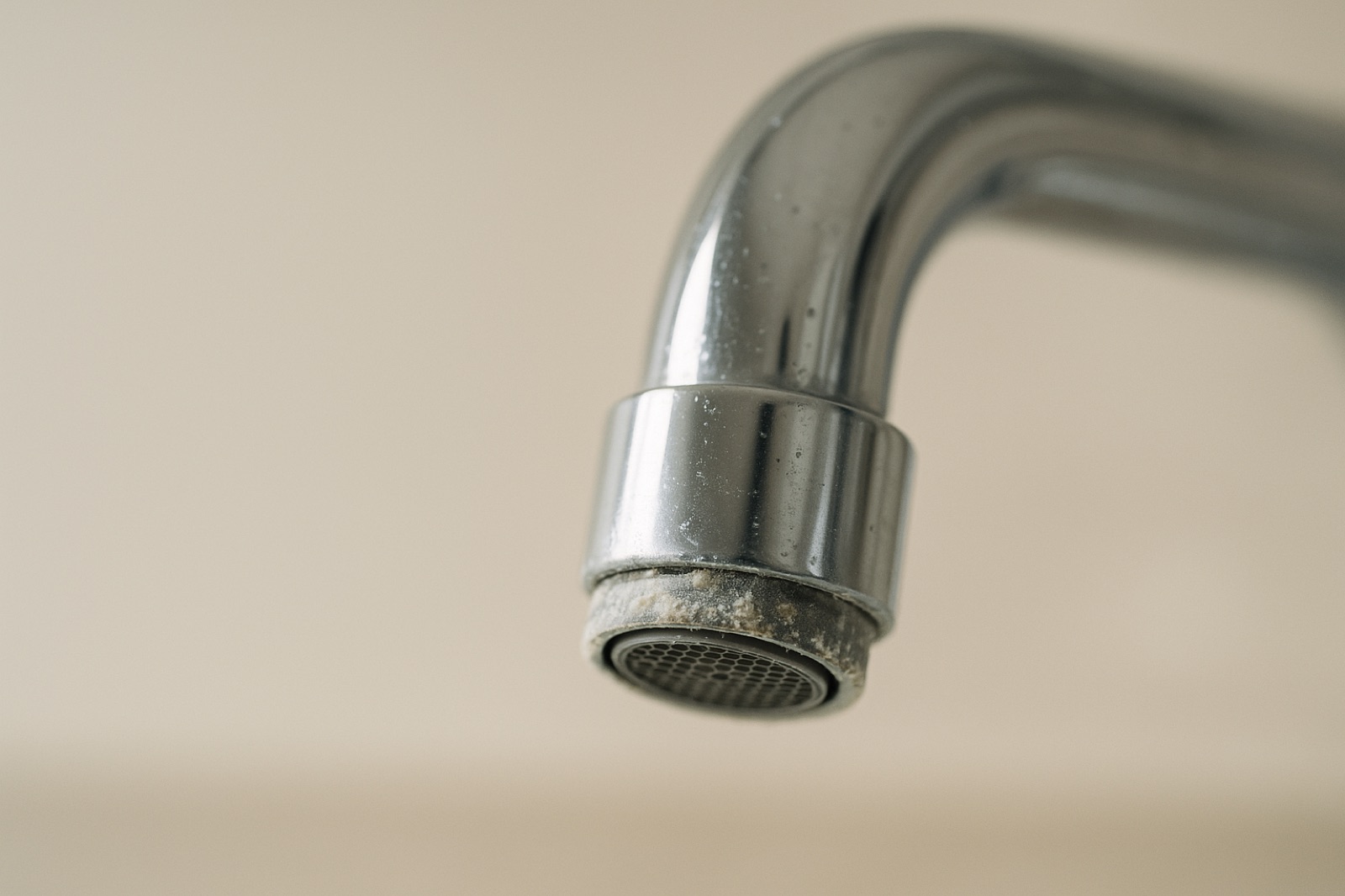
As a homeowner, ensuring your tap water is safe and clean is paramount. The recent announcements regarding water quality and funding for improvements can feel overwhelming, but they also underscore the necessity of understanding water filtration systems at home.
Understanding Water Contaminants
Water quality is influenced by various factors, including the presence of contaminants like microplastics, heavy metals, and, more recently, per- and polyfluoroalkyl substances (PFAS). The U.S. Environmental Protection Agency (EPA) is increasingly focused on these contaminants. For instance, the EPA has announced plans to release draft guidance aimed at reducing risks from PFAS in biosolids, which impacts how wastewater utilities and landowners manage these substances. This effort highlights the agency's commitment to transparency and safety in water management according to Water Finance and Management.
Why Home Filtration Matters
Given these concerns, home filtration systems become a critical component in safeguarding your family’s health. While municipal water systems work hard to ensure water quality, they can be limited by outdated infrastructures or unforeseen contamination events. A reliable home water filter can serve as a first line of defense against these potential hazards.
Home filtration systems vary widely in type and effectiveness. Options include activated carbon filters, reverse osmosis systems, and UV purifiers. Each system has its strengths, and the best choice for your home may depend on your specific water quality issues.
Choosing the Right Filtration System
When selecting a filtration system, consider the contaminants you’re most concerned about. For general use, activated carbon filters are effective at removing chlorine, sediment, and some volatile organic compounds. However, if you are concerned about heavy metals or PFAS, a reverse osmosis system may be necessary. This system forces water through a semipermeable membrane, removing a broader range of impurities.
Moreover, testing your water is an essential first step in making an informed decision. Many local health departments provide testing kits or services, allowing you to understand your water's unique composition. With the increased focus on clean drinking water - exemplified by the recent $227 million funding announcement by the EPA for Tribes and Alaska Native Villages to improve drinking water services as reported by Water Finance and Management - it's vital to ensure that your household is not left behind.
Cost Considerations
While investing in a quality filtration system may seem daunting, consider it a long-term investment in your health. Prices can vary significantly based on the type and capacity of the unit. Additionally, remember to budget for maintenance and filter replacements, which can add to the overall cost but are essential for keeping your system effective.
Public Trust and Water Quality
Recent events have highlighted the importance of public trust in water systems. For instance, in Jackson, Mississippi, efforts to restore confidence in local water services are underway, emphasizing the impact of advanced metering infrastructure on improving service delivery and transparency according to Water Finance and Management. This sense of transparency resonates with homeowners, reminding us of the importance of proactive measures at home.
Conclusion
While the challenges surrounding water quality can seem daunting, knowledge and preparation can empower you as a homeowner. Investing in a home water filtration system tailored to your specific needs is a practical step toward ensuring your family’s safety. Stay informed, conduct regular testing, and choose your filtration options wisely to create a healthier water environment for your home.