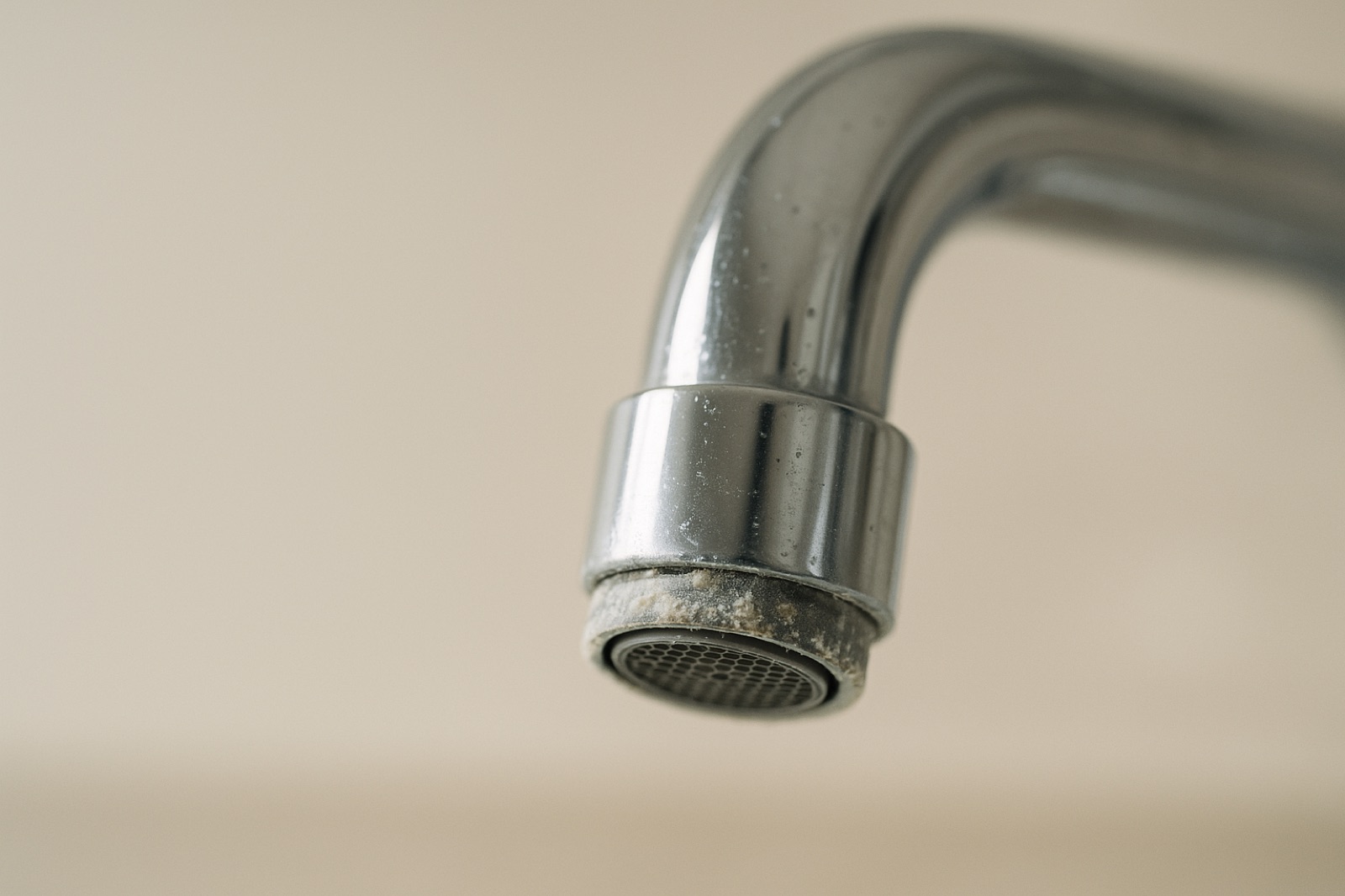
As climate change continues to reshape our environment, one of the most pressing concerns for homeowners is the quality of the water coming into their homes. Whether you’re in a coastal area facing rising sea levels or a region experiencing increased droughts, understanding how these changes affect your water supply is essential.
Climate Change and Water Quality
Recent reports highlight alarming trends in water quality across various regions. For instance, in Gambia, communities are grappling with salt water intrusion, a phenomenon exacerbated by climate change that threatens local agriculture and drinking water supplies. As noted in a recent article from Circle of Blue, "Salt water intrusion is the leading edge of climate change." This situation underscores the urgent need for homeowners to be aware of how climate issues might affect their water.
Understanding Your Local Water Supply
Your specific water challenges will depend on your location. For example, coastal regions may be at risk of salt water contaminating freshwater sources, while areas farther inland might experience droughts that strain water supplies. No matter where you live, testing your water regularly is crucial. Home testing kits are widely available and can help you identify contaminants and understand the overall quality of your water. This proactive approach will enable you to take necessary actions before issues escalate.
Filtration Solutions to Consider
Once you have a clear picture of your water quality, the next step is evaluating filtration solutions. There are several types of systems available, each designed to address specific contaminants:
- Activated Carbon Filters: These are effective at removing chlorine, volatile organic compounds, and other chemicals that can affect taste and odor.
- Reverse Osmosis Systems: Ideal for removing a wide range of contaminants including lead, nitrates, and even some salts, these systems are great for households needing thorough treatment.
- UV Purification: Using ultraviolet light to kill bacteria and viruses, this method is excellent for disinfecting water, especially in areas with high microbial risks.
Choosing the right filtration system will depend on your specific needs, and often, a combination of systems may be the best approach to ensure clean, safe water.
Stay Informed and Prepared
Staying informed about local water issues will also help you prepare for potential changes. For example, California is experiencing a notable rise in shark sightings due to changing ocean temperatures linked to El Niño, as reported by The Guardian. While this may not directly relate to drinking water, it reflects broader environmental changes that may impact local ecosystems, including those that provide our water supply.
Engaging with community resources, attending local meetings, and reading up on regional water management strategies can empower you to advocate for better water quality and preservation in your own neighborhood.
Conclusion
As climate change continues to alter our water supply, understanding the implications for your home is more important than ever. By testing your water and exploring filtration options, you can take meaningful steps to ensure safe, clean water for your family. Stay proactive, stay informed, and don’t hesitate to reach out to local water authorities for guidance.