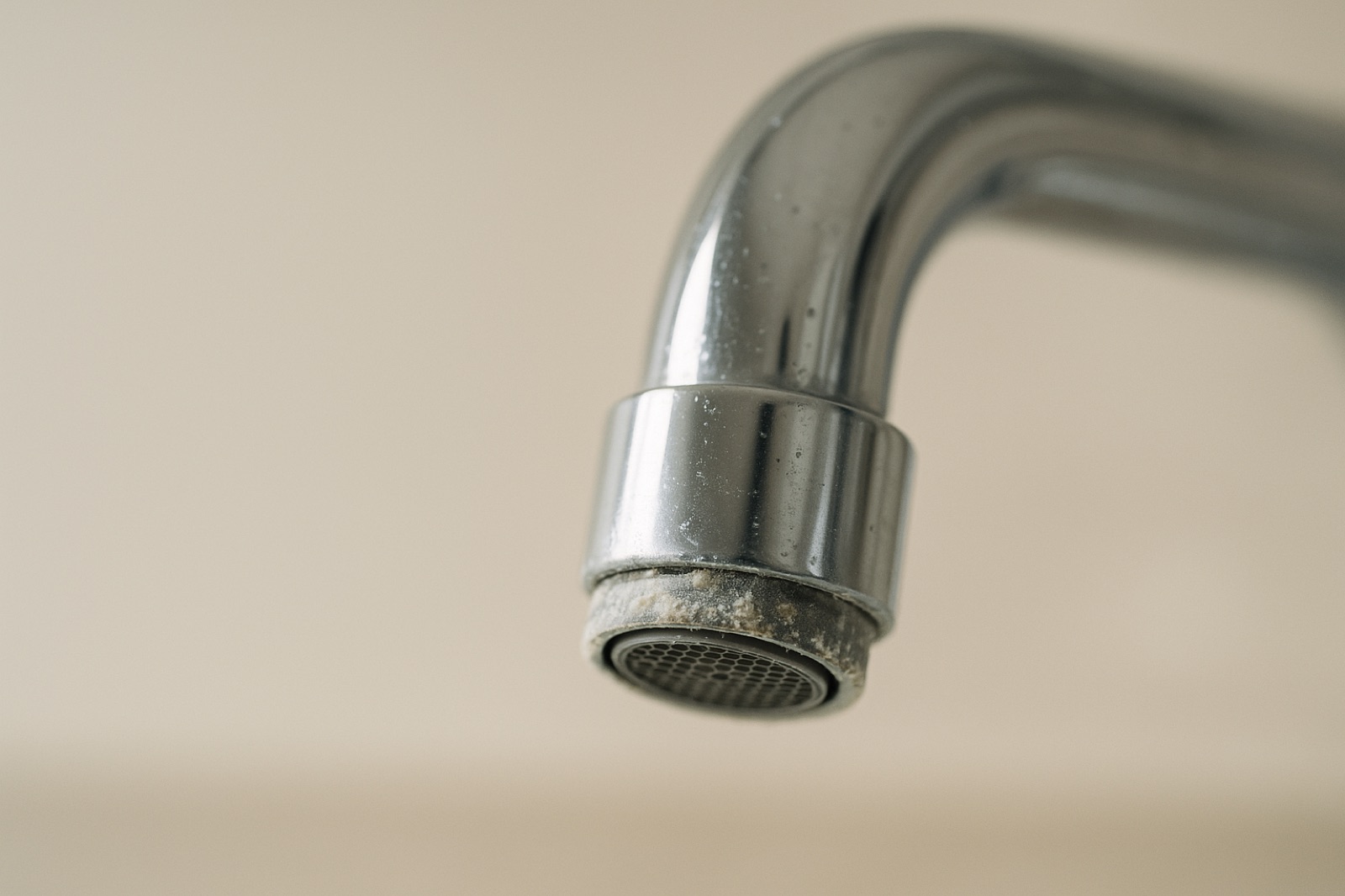
As a homeowner, ensuring that your family has access to clean and safe drinking water is paramount. Water filtration systems offer a practical solution to remove contaminants and improve water quality. With various options available, selecting the right one can feel overwhelming. In this guide, we’ll break down the most common types of filtration systems and what you should consider when making your choice.
Understanding Your Water Quality
Before diving into filtration options, it's important to understand your water quality. You can start by having your water tested, especially if you suspect issues like lead, chlorine, or sediment. Local utility companies often provide water quality reports, which can help you understand what impurities might be present. As reported by Water Finance and Management, utilities across the nation are being recognized for their commitment to clean water. This acknowledgment can give homeowners confidence in the sources of their municipal supply, but if you have private wells or other supply sources, testing is essential.
Main Types of Filtration Systems
Here are the most common types of filtration systems you might consider:
1. Activated Carbon Filters
Activated carbon filters are among the most popular choices for home water filtration. They work by adsorbing impurities, such as chlorine and various organic compounds, which can improve the taste and odor of your water. These filters are typically found in pitcher filters, faucet-mounted filters, and under-sink systems.
2. Reverse Osmosis Systems
Reverse osmosis (RO) systems are more advanced and provide comprehensive filtration by pushing water through a semi-permeable membrane. These systems can remove a wide range of contaminants, including heavy metals, salts, and some microorganisms, making them ideal for households wanting extensive purification. However, they can be more expensive and may require more maintenance than simpler filters.
3. UV Filters
Ultraviolet (UV) filters use UV light to disinfect water by killing bacteria and viruses. While they do not remove chemical contaminants, they are a great addition for households concerned about microbial threats. Combining UV filtration with other methods can enhance overall water safety.
4. Whole House Filters
Whole house filtration systems treat all the water that comes into your home. This is beneficial for addressing issues such as sediment and chlorine that can affect everything from drinking water to the water you use for showers and laundry. These systems can be a bit more costly and may require professional installation, but they ensure that every drop of water in your home is clean.
Choosing the Right System for Your Home
When selecting a water filtration system, consider the following factors:
- Your Water Source: Is your water from a municipal supply or a private well? The type of contaminants present will influence your choice.
- Contaminants to Remove: Based on your water quality tests, determine which contaminants you want to target. Each filtration system is designed to handle different impurities.
- Flow Rate and Capacity: Ensure that the system you choose can handle the flow of water you need, especially if you have a large household.
- Maintenance Requirements: Some systems require regular filter changes or maintenance, so ask about these needs before purchasing.
- Budget: Water filtration systems can range from affordable pitcher filters to high-end whole house units. Set your budget, but remember that investing in clean water can save you health costs in the long run.
Conclusion
With ongoing discussions about water quality and safety, it is essential to stay informed about the best filtration options for your home. As highlighted in Circle of Blue, environmental challenges are prompting many communities to rethink their water supply strategies. By investing in a suitable water filtration system, you are taking a proactive step toward safeguarding your family's health and ensuring access to clean drinking water. Evaluate your options and choose a system that fits your needs - your family will thank you for it.