As a homeowner, you might have heard about the increasing threats to drinking water, like contaminants and aging infrastructure. One of the less-discussed but increasingly important issues is salt water intrusion, particularly in coastal areas. This phenomenon can have serious implications for your home's water supply, so understanding it is key.
What is Salt Water Intrusion?
Salt water intrusion occurs when seawater encroaches into freshwater aquifers. This typically happens in coastal regions where groundwater is depleted faster than it can be replenished, often due to over-extraction for agricultural or urban use. As a result, the natural barrier that prevents salt water from mixing with freshwater diminishes, leading to a blend of salty and fresh water. For homeowners, this can mean that your well or municipal water supply may become contaminated.
Why Should Homeowners Be Concerned?
The impact of salt water intrusion can be severe, especially as climate change exacerbates the situation. According to a recent article from Circle of Blue, salt water intrusion is becoming a critical issue in places like Gambia, where it threatens agricultural lands and drinking water supplies. While this may sound far from your local community, the patterns are repeating globally, which could eventually affect even those living inland.
How Can You Identify Salt Water Intrusion?
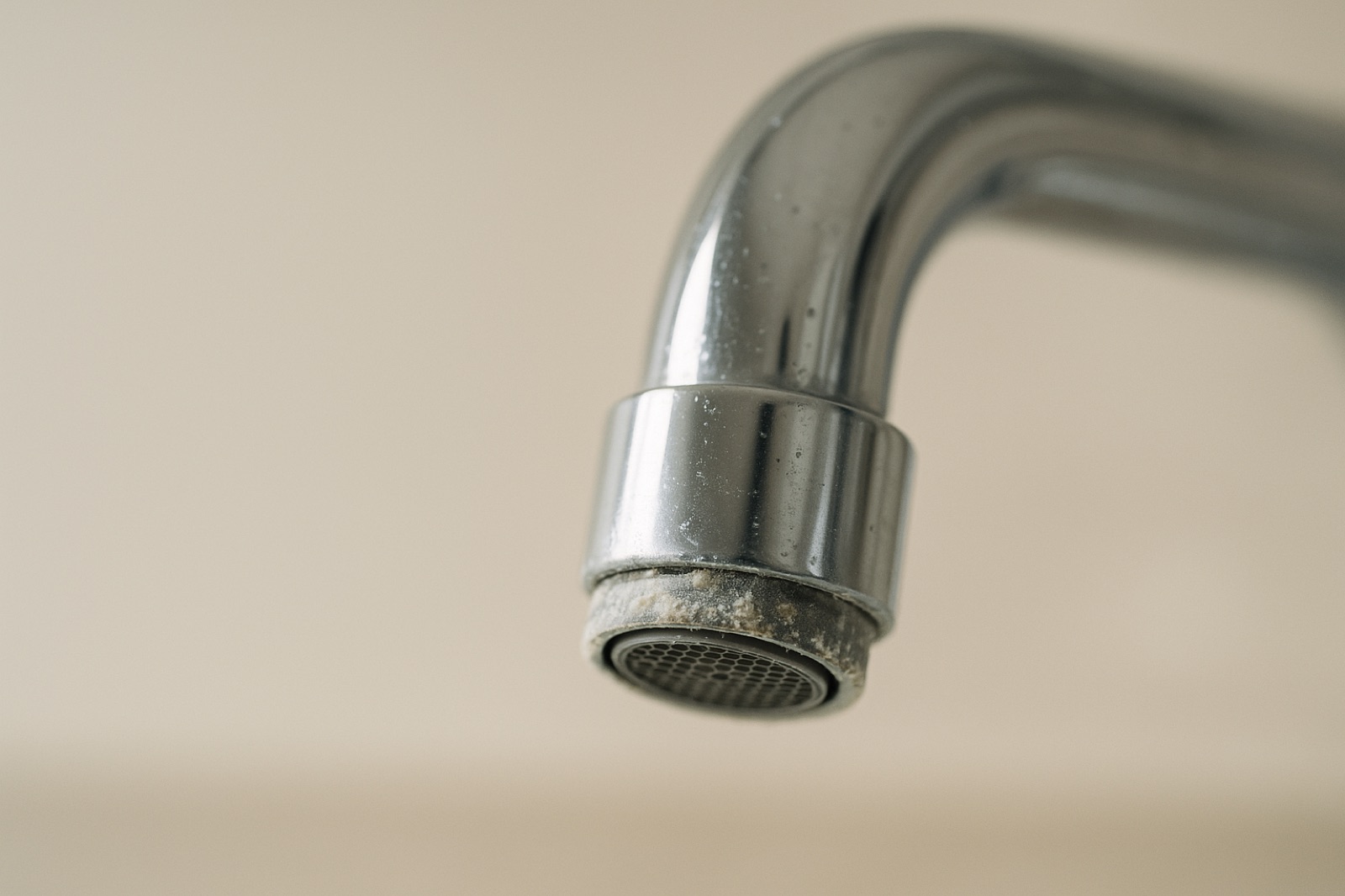
Typically, if you notice changes in taste or odor in your tap water, it could be a sign of salt water intrusion. Some homeowners may also experience a decrease in water quality and an increase in corrosion of plumbing fixtures. Testing your water regularly, especially if you rely on well water, will help you catch these changes early. Look for signs like increasing salt levels or any other unusual water quality indicators.
What Can You Do About Salt Water Intrusion?
If you suspect salt water intrusion, there are several steps you can take:
- Test Your Water: Regularly test for salinity and other contaminants to monitor the quality of your water.
- Consider Filtration Options: Installing a reverse osmosis system can help remove salt and other impurities from your drinking water.
- Stay Informed: Keep up with local news and studies about water quality in your area. Awareness is your first line of defense.
It's important to stay proactive. If your area is prone to salt water intrusion, you might want to review your water supply options and consider alternative sources or filtration methods.
Looking Ahead
As the climate continues to change, the risks associated with salt water intrusion are likely to grow. Awareness and education are vital for homeowners. By staying informed and taking necessary precautions, you can help protect your household from potential water quality issues that may arise.
While government initiatives, like the recent $227 million funding announced by the EPA for Tribes and Alaska Native Villages, aim to improve drinking water access and quality, individual action remains essential. You can also reach out to local authorities to understand what measures are being taken in your community.
By being proactive and informed, you can ensure that your home remains a safe haven for you and your family.