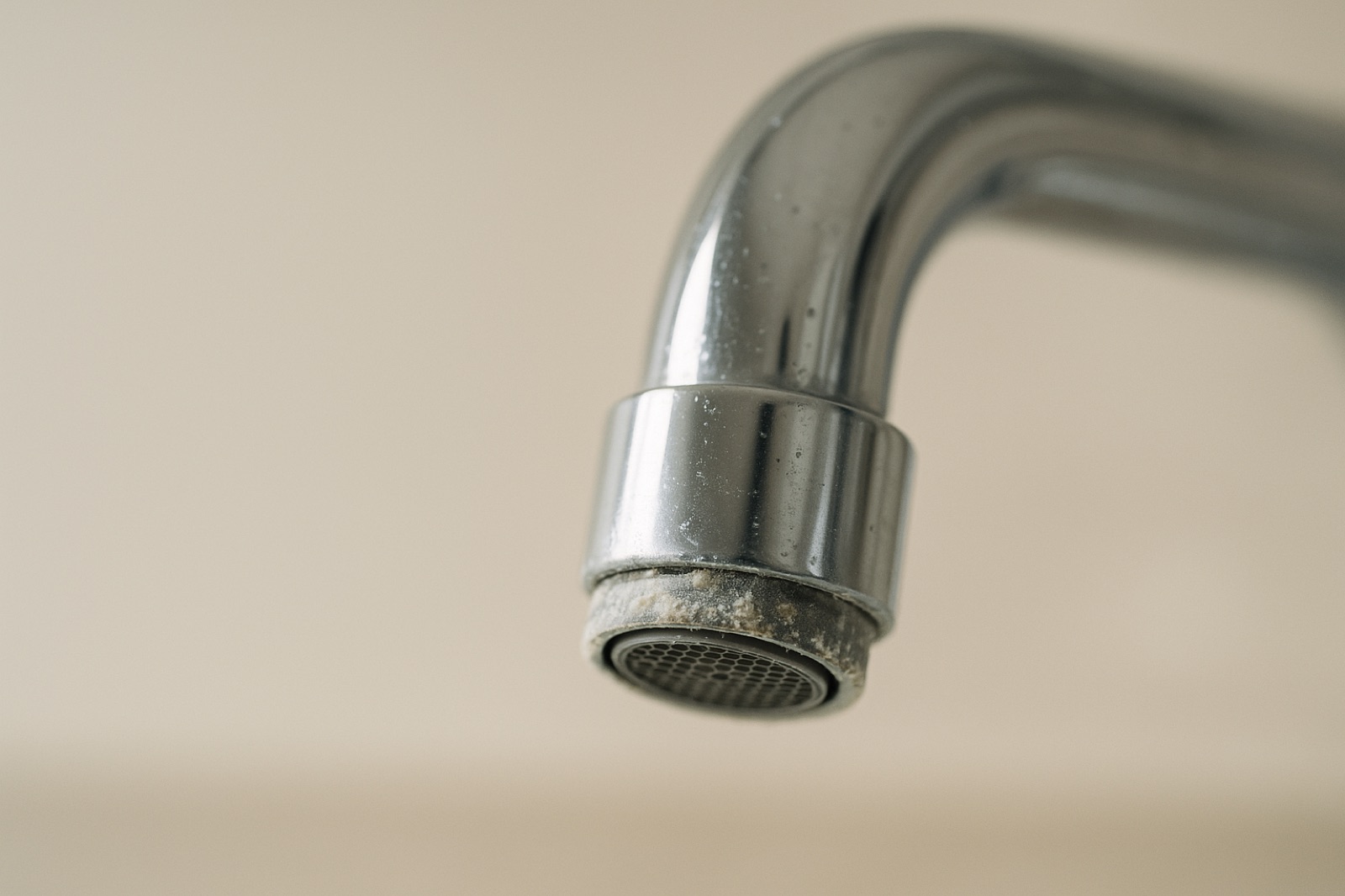
For many homeowners, the safety of drinking water is a growing concern, especially with the rising awareness of contaminants like PFAS. These substances, often referred to as "forever chemicals," have been part of the regulatory conversation for years, reshaping the landscape of drinking water safety across the United States. Recent reports indicate that PFAS are widely present in drinking water systems, a concern notably highlighted in the Water Finance and Management article titled "PFAS and Microplastics: Are Patterns Repeating?" by Ken Sansone and Valentina Marastoni-Bieser. This reality compels homeowners to consider their water filtration options more seriously than ever before.
What Are PFAS and Why Should You Care?
PFAS, short for per- and polyfluoroalkyl substances, are synthetic chemicals used in various consumer products for their resistance to heat, water, and grease. They are commonly found in non-stick cookware, water-repellent fabrics, and even food packaging. Unfortunately, these chemicals do not break down easily in the environment, leading to widespread contamination.
The concern with PFAS extends beyond environmental implications; they have been linked to health issues, including potential impacts on the immune system and increased cholesterol levels. As a homeowner, understanding what PFAS are and how they could affect your drinking water is crucial.
Testing Your Water
Before considering filtration options, it's vital to know whether PFAS are present in your water supply. Testing your home water is the first step. Homeowners can purchase testing kits or hire professionals to conduct water tests, focusing specifically on PFAS. Doing this gives you a clearer picture of what you’re dealing with.
Once you understand your water quality, you can make informed decisions about how to address any contamination. This is especially important in light of recent findings, where PFAS levels were found to be widespread across various municipalities.
Filtration Solutions
Now that you have tested your water, what can you do? There are several filtration systems designed to reduce or eliminate PFAS from your home water supply.
1. **Activated Carbon Filters**: These filters are among the most common and can be effective in reducing PFAS levels. However, not all activated carbon filters are created equal. Look for filters that specifically state they are effective against PFAS.
2. **Reverse Osmosis Systems**: These systems are generally more effective at removing a wider range of contaminants, including PFAS. They use a semi-permeable membrane to separate contaminants from water, making them a solid choice for comprehensive filtration.
3. **Anion Exchange Filters**: This type of filter uses a resin to exchange ions and is particularly effective against certain PFAS compounds. They are less common than activated carbon filters but can be a good option if PFAS are detected.
Choosing the right system comes down to your specific needs and the results of your water tests. You may want to explore various options and even consult with a water filtration specialist for tailored advice.
Stay Informed
As regulations surrounding PFAS continue to evolve, it is crucial to stay informed about new developments. The Water Finance and Management article highlights the ongoing scrutiny of PFAS and microplastics in drinking water, underscoring the importance of being proactive and aware.
Ultimately, addressing PFAS in your home water supply is not just about installing a filter. It is about understanding the quality of the water you consume every day. By testing your water, exploring filtration options, and staying informed, you can take meaningful steps to ensure that your home water is safe and healthy for you and your family.