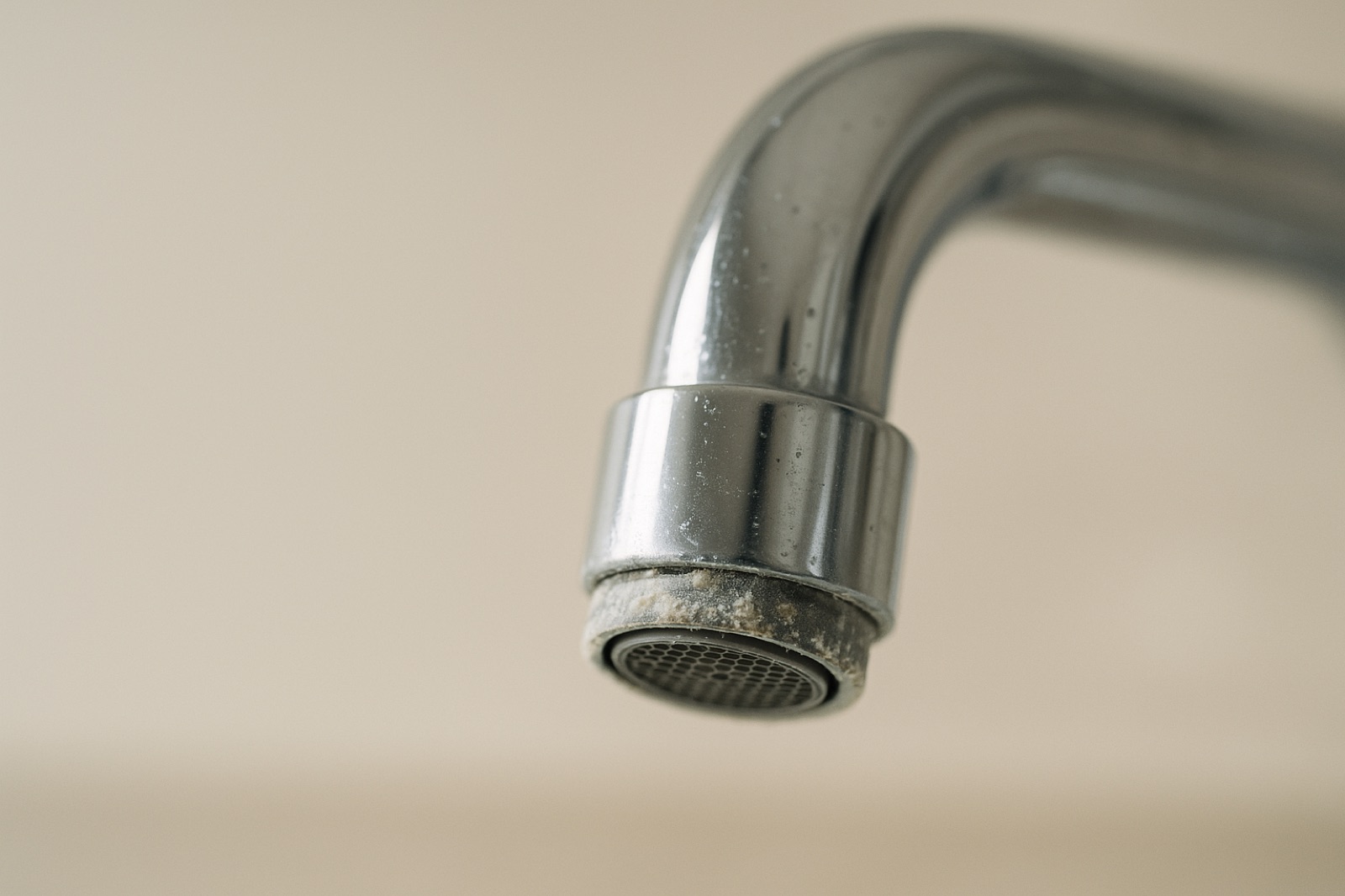
As a homeowner, you may have heard the term PFAS being tossed around, especially with rising concerns about water safety in the news. PFAS, or per- and polyfluoroalkyl substances, are a group of man-made chemicals that have gained notoriety for their persistence in the environment, earning them the nickname 'forever chemicals.' In light of ongoing discussions about PFAS contamination in drinking water, it’s essential to understand what this means for you and what actions you can take to safeguard your home’s water supply.
What are PFAS and Why Should You Care?
PFAS are used in a variety of industrial and consumer products for their water- and grease-resistant properties. They can be found in non-stick cookware, water-repellent clothing, and even food packaging. Unfortunately, these substances do not break down easily and can accumulate in the environment and human body over time. Recent reports, such as one from Water Finance and Management, highlight that PFAS contamination is widespread in drinking water across the United States, prompting increased scrutiny and regulatory efforts to address the issue.
The Current Landscape
Federal and state regulators are responding to public concerns about water safety, especially as more data emerges regarding PFAS concentrations in various water sources. The Fifth Unregulated Contaminant Monitoring Rule (UCMR 5) has revealed significant levels of these chemicals in many communities, which means homeowners like you need to pay attention to your local water quality reports.
In North Bay, Ontario, for example, local officials are grappling with persistent contamination issues in their waterways, as detailed by Circle of Blue. The response from the community has been intense, reflecting a growing awareness of how PFAS affect not just environmental health but also the safety of drinking water.
Testing Your Water
The first step in addressing PFAS in your home water supply is to test your water. Many local health departments and independent laboratories offer testing kits specifically for PFAS. It’s worth the investment, as understanding your water quality can inform your next steps, whether it’s adopting a filtration system or seeking alternatives.
Choosing a Filtration System
Once you have a clear idea of PFAS levels in your water, you can explore filtration options. Not all filters are created equal, so it’s essential to look for systems that have been certified to reduce PFAS. Activated carbon filters and reverse osmosis systems are among the most effective solutions. When selecting a filtration system, consider factors such as:
- Certification: Look for certifications from organizations like NSF International or the Water Quality Association.
- Maintenance: Understand the maintenance requirements and costs associated with the system you choose.
- Flow Rate: Ensure the system can handle your household’s water usage without sacrificing water pressure.
Community Action and Awareness
Staying informed and involved in community discussions about water quality is equally crucial. The more people are aware of PFAS issues, the more pressure there can be on local and federal governments to implement effective cleanup and prevention strategies. Engaging with local organizations focused on water safety can empower you and your neighbors to take collective action.
In conclusion, while PFAS contamination presents a significant challenge, there are practical steps you can take to protect your home's water supply. From testing your water to selecting an appropriate filtration system and advocating for community awareness, staying informed and proactive can make a meaningful difference in ensuring your family's water safety. Remember, you are not alone in this; as concerns about PFAS continue to rise, a growing network of homeowners is joining the conversation to promote safer drinking water for everyone.