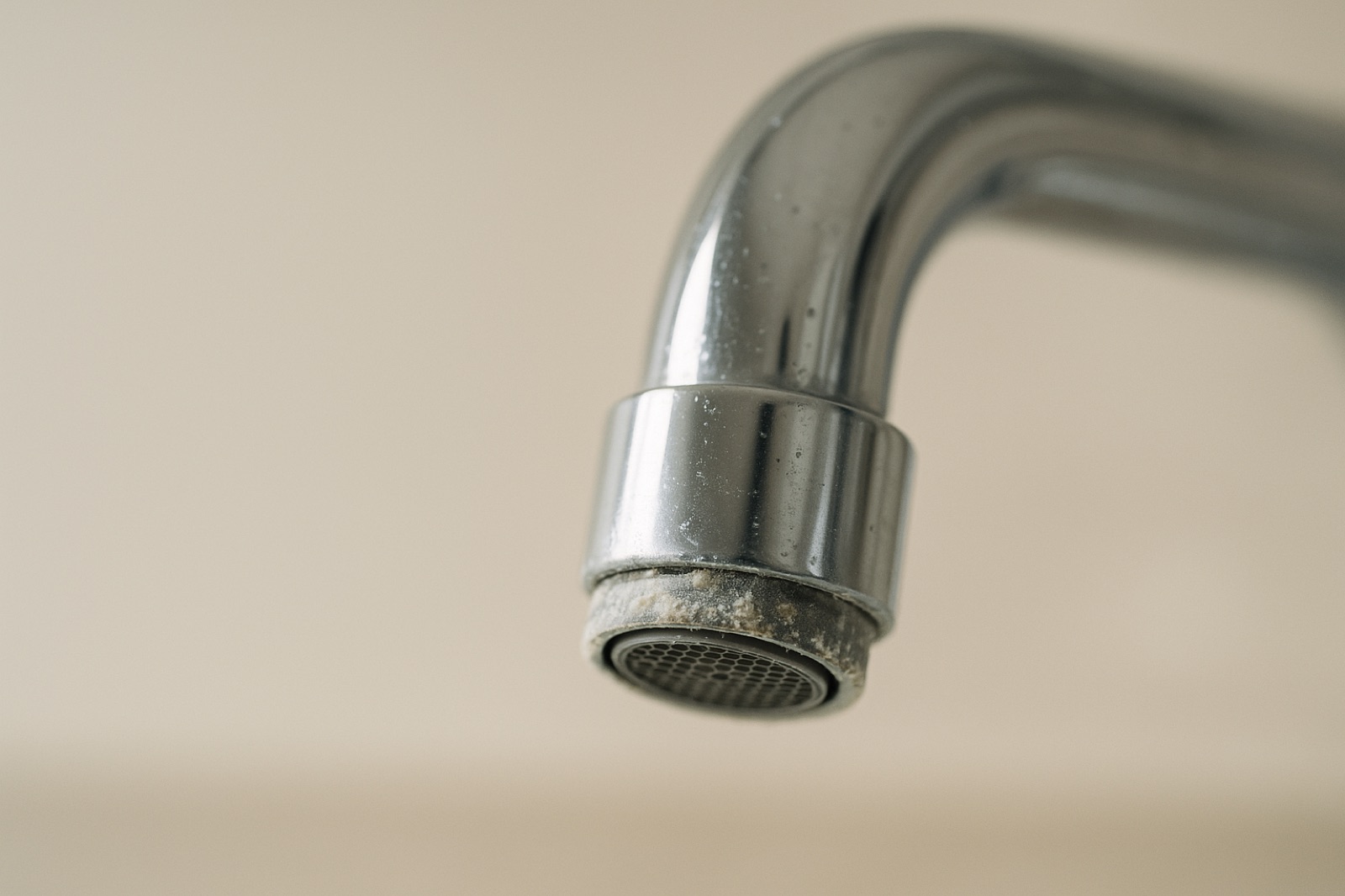
As concerns about water quality rise, homeowners are increasingly looking for effective solutions to ensure their tap water is safe and clean. With emerging contaminants like PFAS and microplastics, along with climate change's impact, understanding water filtration is more important than ever.
Why Filtration Matters
Many homeowners might not realize that tap water can contain a variety of contaminants, from bacteria to harmful chemicals. Filtration systems can effectively remove these impurities, providing peace of mind. For instance, the Water Finance and Management discusses how PFAS have reshaped the drinking water regulatory landscape, indicating that many homes might be at risk without adequate filtration.
Moreover, as climate change progresses, new challenges arise. For example, rising sea levels contribute to saltwater intrusion, which can affect groundwater supplies. The situation in Gambia, where saltwater intrusion is described as "the leading edge of climate change" in a Circle of Blue article, serves as a stark reminder of how climate issues can directly impact water quality.
Choosing the Right Filtration System
When considering a filtration system, keep in mind your specific water quality needs. First, get your water tested to identify any contaminants that are present. Many local health departments or private companies can assist with this. Once you know what you are dealing with, you can select a system that effectively addresses those issues. Here’s a quick rundown of common types:
- Activated Carbon Filters: Great for removing chlorine and improving taste and odor.
- Reverse Osmosis Systems: Effective for a broad range of contaminants, including heavy metals and PFAS.
- Ultraviolet (UV) Filters: These are excellent for disinfecting water by eliminating bacteria and viruses.
Remember, not all systems are created equal. Do some research to find a reputable brand that meets your specific requirements. Look for products that have been independently tested and certified to remove the contaminants you are concerned about.
Maintenance and Monitoring
Once you've installed a filtration system, proper maintenance is crucial for its effectiveness. Regularly replace filters according to the manufacturer's instructions and keep an eye on filter indicators if your system has them. It's also a good idea to retest your water annually to ensure the system is working as intended.
Conclusion
Filtration can be a vital line of defense against the water quality challenges we face today. With the continuous emergence of contaminants and the impacts of climate change, homeowners must stay informed and proactive. By investing in a reliable filtration system and maintaining it regularly, you are taking essential steps to protect your family's health and well-being.
In a world where water quality is increasingly under scrutiny, being equipped with the right knowledge and tools is key to ensuring safe drinking water in your home.