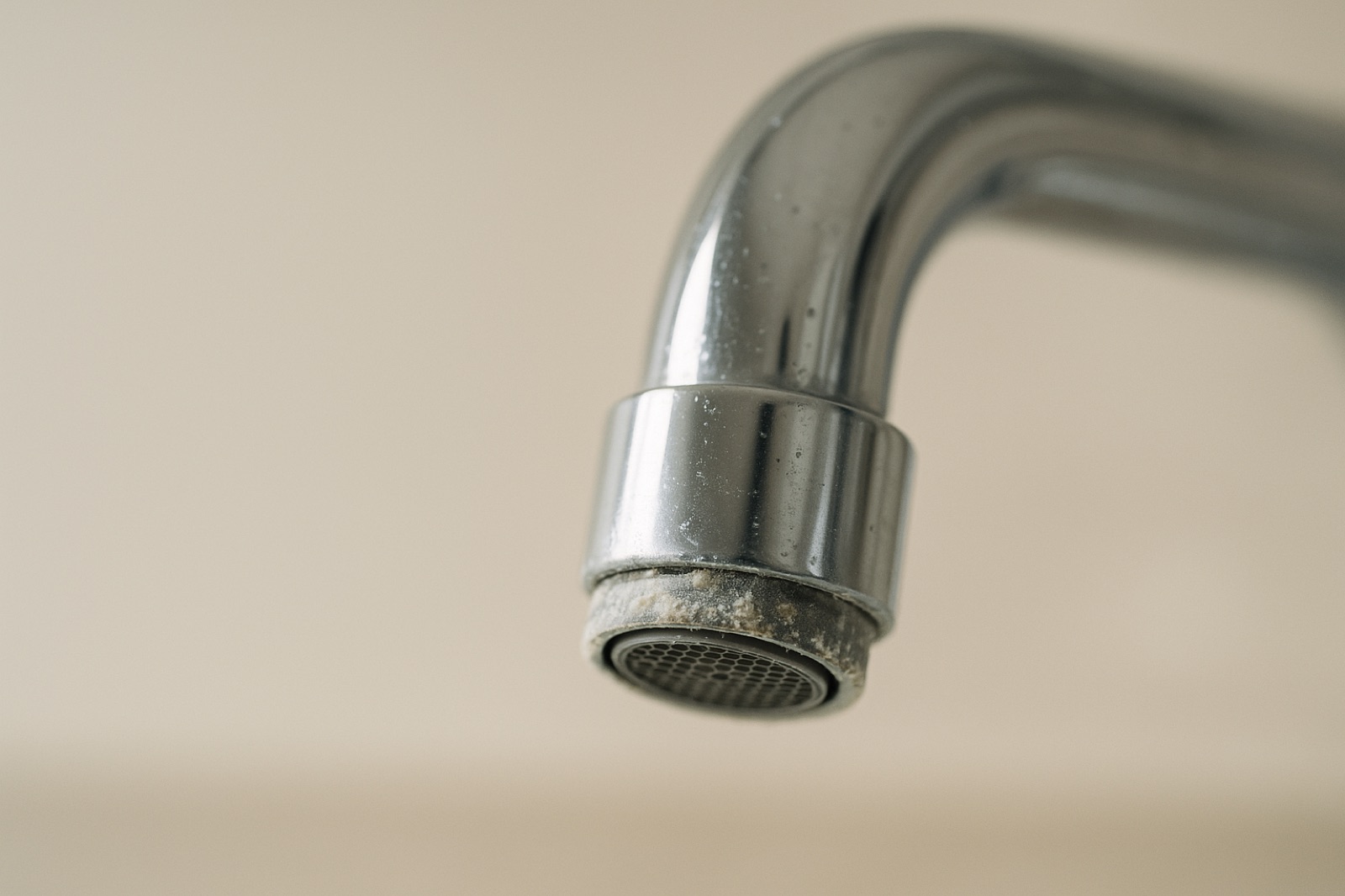
With growing concerns about water quality across the country, homeowners are increasingly turning to filtration systems to ensure their drinking water is safe and clean. Recent news stories highlight the urgency of this issue, especially regarding harmful contaminants like PFAS, commonly known as "forever chemicals." The situation in North Bay, Ontario, where residents are grappling with PFAS contamination, serves as a crucial reminder of the importance of water filtration in our homes. According to an article from Circle of Blue, hundreds of concerned citizens in North Bay are learning about the contamination left behind by federal activities, emphasizing the need for effective solutions to protect our water sources. You can read more about this ongoing issue here.
Home water filtration systems can offer an easy and effective way to address these concerns. However, with so many options available, how do you choose the right system for your needs? Here are some key considerations.
1. Identify Your Contaminants
The first step in selecting a filtration system is understanding what contaminants are present in your water. You may want to start with a water test kit that can identify common pollutants, including PFAS and other chemicals. Testing your water can help you determine which filtration system is best suited to address your specific concerns. Remember, some filters are designed to remove specific contaminants, while others provide broader protection.
2. Types of Filtration Systems
There are several types of water filtration systems to consider:
- Activated Carbon Filters: These are among the most common for home use and are effective at removing chlorine, sediment, and some volatile organic compounds (VOCs), including certain PFAS. They can be found in pitcher filters, faucet-mounted designs, and under-sink systems.
- Reverse Osmosis Systems: Known for their thorough purification capabilities, reverse osmosis systems can remove a wide range of contaminants, including heavy metals and some chemicals. They typically involve a multi-stage filtration process, making them a solid choice for homeowners with higher levels of contamination.
- Whole House Filtration Systems: These systems are installed at the point where water enters your home, providing filtered water throughout your entire plumbing system. They may combine several filtration methods for comprehensive protection.
3. Maintenance and Costs
When selecting a filtration system, consider the ongoing costs and maintenance requirements. For instance, activated carbon filters need regular replacement - typically every few months - to maintain their effectiveness. Reverse osmosis systems may require more complex maintenance and can be more expensive upfront, but they often offer better long-term protection.
It is also worthwhile to factor in any potential savings on bottled water and the health benefits of consuming cleaner water, which can justify the initial investment in a good filtration system.
4. The Importance of Local Context
The specific water quality issues in your area can impact your decision. For example, in areas like Jasper County, Indiana, where the AI boom is prolonging reliance on fossil fuels, local water sources may be affected by industrial runoff. Understanding your local context can help you choose a system that effectively addresses unique environmental challenges. Read more about the hidden costs to water in Indiana here.
In conclusion, choosing the right water filtration system for your home is not just about convenience; it is a vital step toward safeguarding your health and well-being. By understanding your needs, exploring different types of systems, and considering local contamination issues, you can make an informed decision that protects your family and your home.