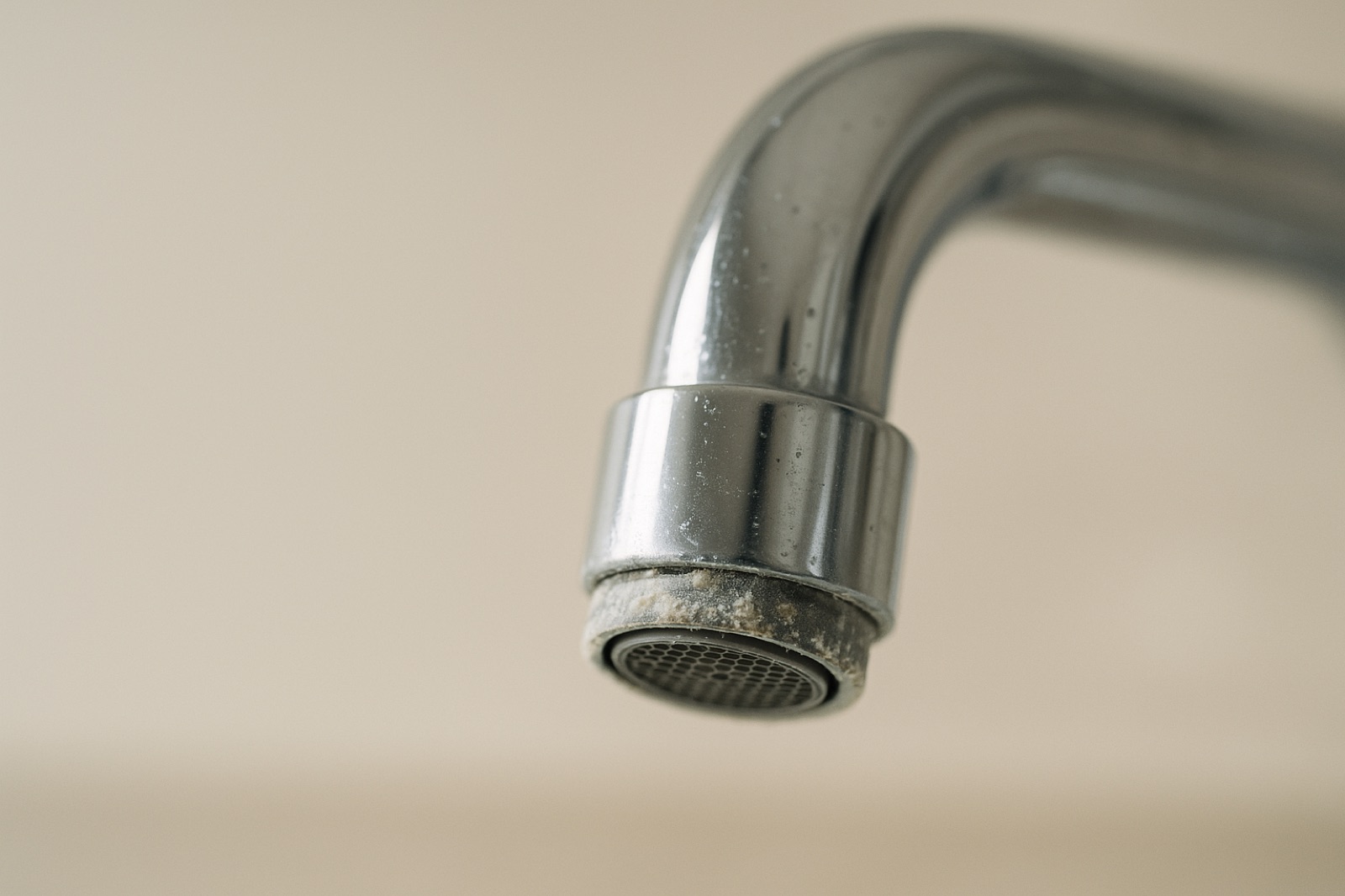
As a homeowner, ensuring that you have clean, safe drinking water is often a top priority. With various filtration systems available, it can be overwhelming to decide which is right for your home. In this guide, we’ll break down the essentials of home water filtration, helping you make an informed choice.
Understanding Your Water Quality
The first step in choosing a filtration system is understanding what’s in your water. Many homeowners opt for water testing to identify contaminants such as lead, chlorine, or microorganisms. This can be a simple process, and several kits are available online or at local home improvement stores. With the results in hand, you can determine what type of filtration system will best address your specific needs.
Types of Filtration Systems
There are several common types of water filtration systems, each designed to handle different contaminants and improve water taste and quality.
- Activated Carbon Filters: Great for removing chlorine, sediment, and volatile organic compounds (VOCs), activated carbon filters are popular and cost-effective. They are often found in pitcher filters or under-sink systems.
- Reverse Osmosis Systems: These systems are effective at removing a wide range of contaminants, including heavy metals and dissolved solids. They work by pushing water through a semi-permeable membrane, which can be a bit pricier but offers comprehensive filtration.
- Ultraviolet (UV) Filters: UV systems use light to kill bacteria and viruses, making them a good choice if biological contaminants are a concern in your water supply.
- Whole House Filters: For those wanting a comprehensive solution, whole house filters treat all the water entering your home, ensuring that every tap delivers clean water.
Considering Your Local Water Issues
Your choice may also depend on larger regional water management issues. For instance, the Colorado River is facing significant water challenges, leading local managers to seek partnerships to preserve this iconic waterway (Circle of Blue). As climate change affects water availability and quality, understanding local resources can help inform your filtration choices.
Budgeting for Filtration
Home filtration systems can vary widely in price. When budgeting, consider both the initial investment and ongoing maintenance costs. Some systems may require regular filter replacements or professional servicing, which can add up over time. Compare products and read reviews to choose something that balances affordability with effectiveness.
Installation and Maintenance
While some filtration systems are DIY-friendly, others might require professional installation. If you are not comfortable with plumbing tasks, it might be wise to hire a professional to ensure everything is set up properly. Regular maintenance is also crucial; be sure to adhere to the manufacturer’s recommendations for filter replacements to keep your system functioning optimally.
Making the Right Choice
Ultimately, the best filtration system for your home will depend on your water quality, budget, and personal preferences. Take the time to research and consult with experts if needed. Remember that investing in quality filtration is an investment in your health and your family’s well-being.
As the world continues to grapple with environmental challenges and water quality concerns, understanding your options empowers you to make informed choices for your home. Filtration is one step toward ensuring that your drinking water is safe and enjoyable.