Water decisions are rarely about one thing. A single supply can be managed for drinking water, power generation, recreation, and ecosystems, with different priorities competing for attention. In a September 16, 2026 report, Circle of Blue's Brett Walton described how the Trump administration prioritized hydropower when deciding how to use water at Glen Canyon Dam, even after scientific thresholds for ecological and recreational releases had been met. The Circle of Blue report on Glen Canyon Dam is a large-scale example of a useful household lesson: before choosing equipment, you need to name the result you want.
A softener and a filter are not interchangeable versions of the same appliance. A conventional ion-exchange softener addresses hardness minerals, primarily calcium and magnesium. A filter is selected for particular substances or sensory problems, depending on its media and verified performance claims. Testing tells you which job, if any, needs doing.
Use symptoms to choose your next question
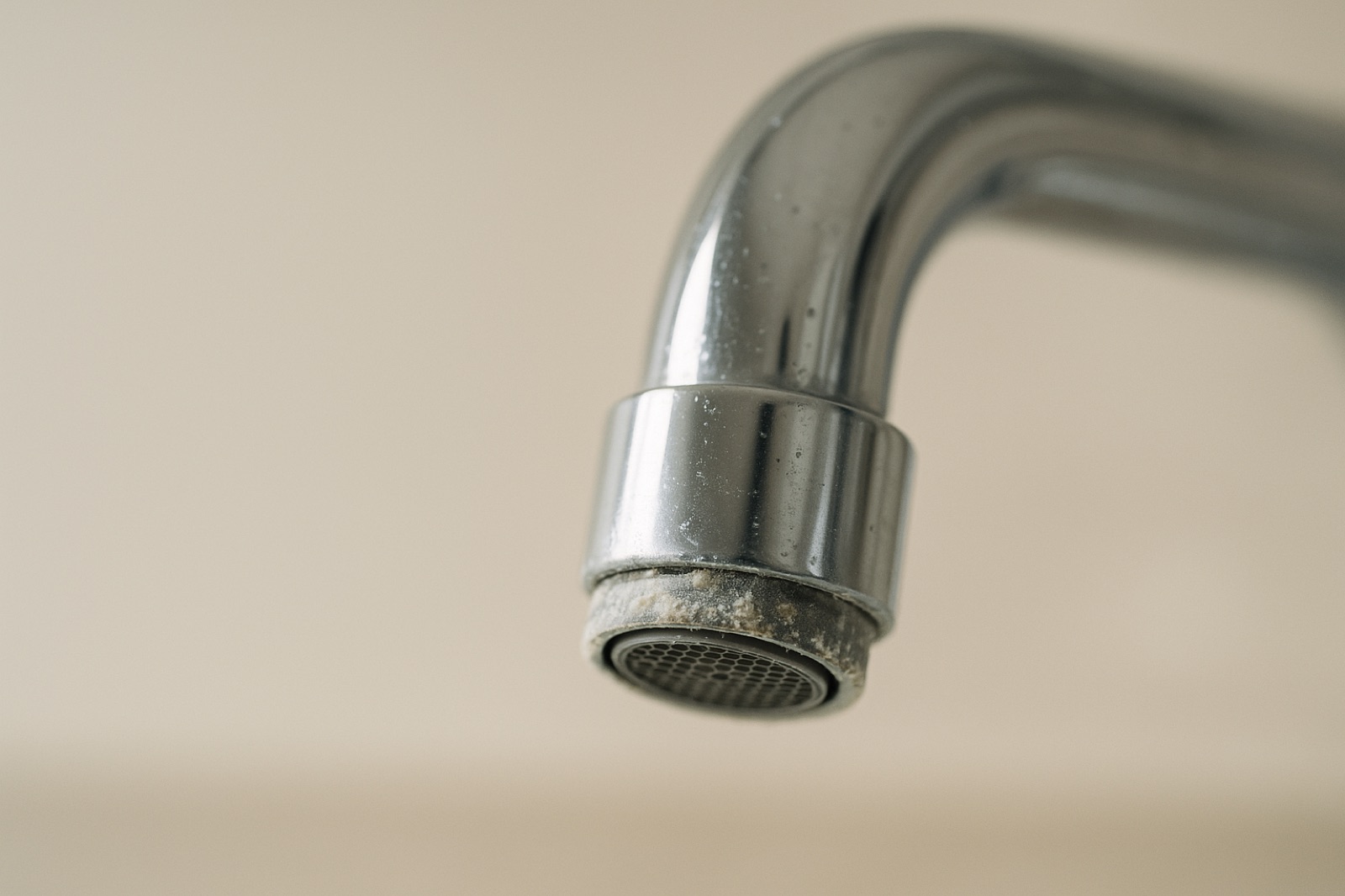
Scale on fixtures and heating elements: This points toward hardness, especially when the buildup appears throughout the house. Confirm it with a hardness test before sizing a softener. A general carbon filter is not designed to soften water. If white residue wipes away easily or appears only near one appliance, also consider cleaning products, humidifier dust, or a local maintenance issue.
Unpleasant taste: Do not treat taste as a diagnosis. Chlorine-like taste in municipally supplied water may lead you to investigate activated carbon, while salty, metallic, earthy, or suddenly changed water calls for a different conversation. Compare cold water from several taps, note when the change began, and check whether neighbors notice it. If the taste is new or unexplained, test before buying.
Odor: First determine whether you smell it in cold water, hot water, or both. An odor found only in hot water can direct attention toward the water heater. An odor at one drain may come from the drain rather than the water. Whole-house filtration should not be the opening move until you know the odor is actually in the incoming supply.
Orange, black, blue-green, or brown staining: Color helps narrow the investigation but cannot confirm the cause. Iron, manganese, corrosion, sediment, and plumbing materials can create different treatment needs. Record the stain color and location, then request tests matched to those observations. A softener may handle limited amounts of some dissolved metals, but that does not make it the universal stain solution.
Concern about a contaminant: Skip the symptom guessing. Many contaminants do not announce themselves through taste, smell, or color. Identify what you are concerned about, test through an appropriate laboratory, and choose treatment with a performance claim that names that substance. The word filter on a box is not enough.
The softener-versus-filter matrix
Choose a softener first when a test confirms hardness and your main goals are reducing mineral scale, improving soap performance, and protecting water-using equipment.
Choose a filter first when the problem is a specifically identified taste, odor, sediment, or contaminant and the proposed unit has a verified claim for that job.
Consider both when testing confirms separate problems, such as hardness plus a filterable substance. Ask how the systems will be arranged, how one may affect the other, and what each requires for maintenance.
Choose neither yet when the symptom is isolated, new, or unexplained. A plumbing inspection, water-heater check, utility notice, or targeted test may answer the question without committing you to permanent equipment.
Your testing checklist
Before requesting quotes, write down where each symptom occurs, whether it affects hot water, cold water, or both, and when it started. Find out whether your water comes from a public system or private well. Review any available water-quality report, but remember that conditions inside your plumbing may still matter.
Then ask for the actual test results, units of measurement, proposed treatment target, equipment capacity, replacement schedule, wastewater requirements, and expected operating cost. If the problem remains unclear, schedule a professional water assessment and ask the provider to explain how every recommended component connects to a measured result.
Also decide how you would handle an unrelated breakdown after installation. Treatment warranties often cover only specified equipment and failures, while broader coverage for home systems and appliances has its own terms, limits, and exclusions. Read both before assuming either one protects the entire water setup.
The best purchase is not the system that promises to improve everything. It is the one whose stated job matches your evidence, with maintenance you understand and a way to verify afterward that it worked.
Further reading: coverage for home systems and appliances.