Water concerns can range from regional ecosystem problems to annoyances at your own kitchen sink. Circle of Blue reports that invasive carp have been detected closer to Lake Michigan. That story concerns waterways and wildlife, not residential hardness, but it offers a useful reminder: different water problems require different solutions.
If you live in Missouri and see cloudy glassware or stubborn mineral buildup, a water softener may help. It will not remove every contaminant, improve every taste issue, or solve an ecological threat. Here is how to evaluate what it can do and shop with fewer surprises.
Start with hardness, not a sales pitch
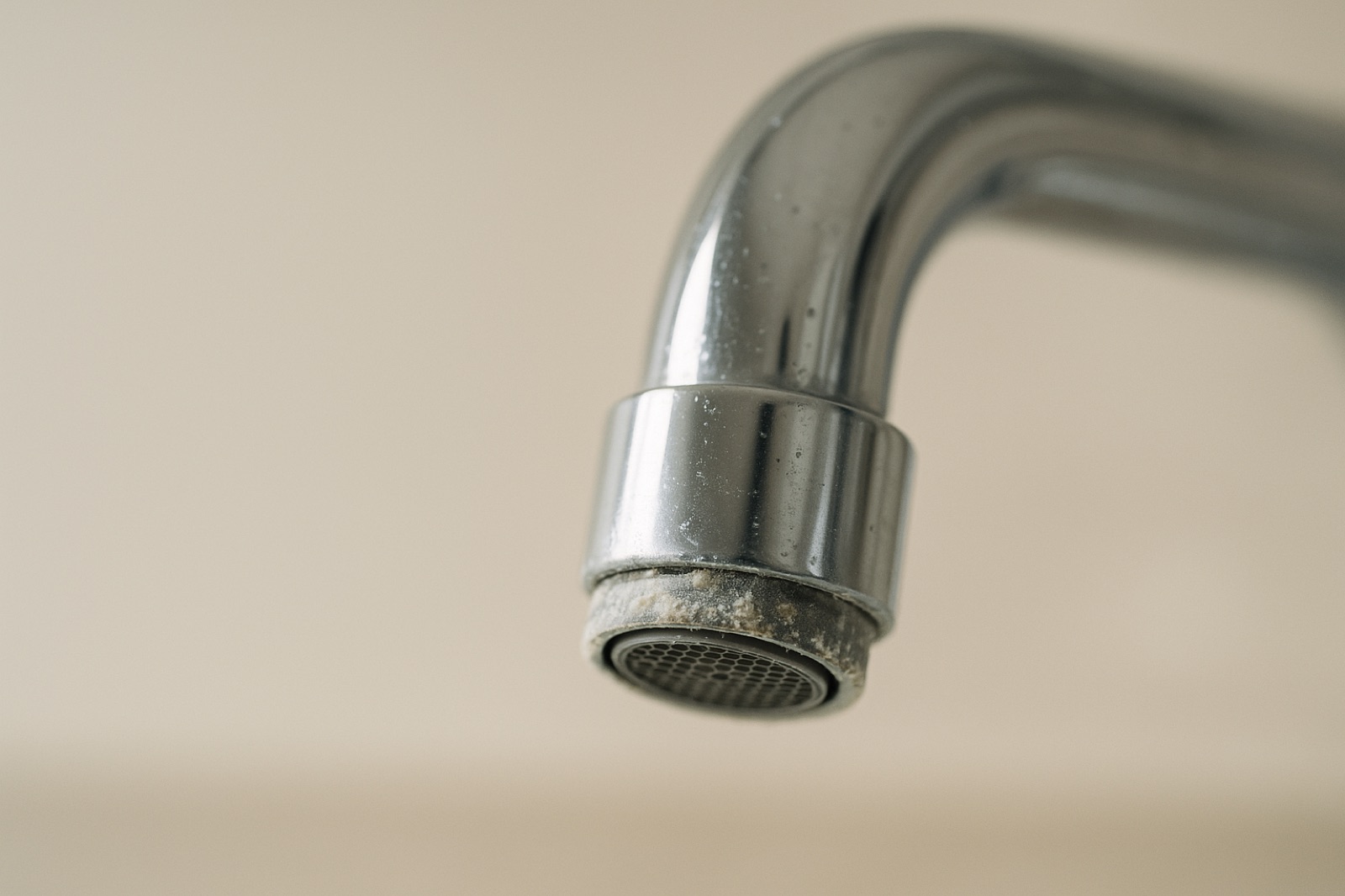
Hard water contains dissolved calcium and magnesium. Common clues include mineral deposits on faucets, soap that does not lather easily, dingy-looking laundry, and scale inside appliances that heat water. These symptoms can suggest hardness, but they do not tell you the exact level.
Ask for a hardness test reported in grains per gallon or milligrams per liter. If your home uses a private well, also consider iron and manganese testing because those substances can affect equipment selection. Municipal customers can review their utility's water-quality report, although conditions at the home can differ from system-wide results.
Do not buy a softener to address bacteria, lead, nitrate, PFAS, chlorine, sediment, or an unexplained odor. Those concerns call for testing and, when appropriate, treatment designed for the specific substance.
Size the softener for real household demand
A useful sizing conversation includes your measured hardness, number of occupants, typical water use, and any iron the system is expected to handle. The goal is enough capacity to avoid overly frequent regeneration without installing an unnecessarily large unit.
Ask the seller to show the calculation. Also ask what salt dose was used to produce the advertised capacity. A large grain-capacity number on a product label does not automatically mean efficient operation under the settings used in your home.
A demand-initiated system regenerates according to measured water use. That is generally more adaptable than equipment that regenerates on a fixed calendar, particularly when household use changes from week to week.
Understand salt-based and salt-free limits
A conventional ion-exchange softener removes hardness minerals by exchanging them for sodium or potassium ions. It needs regenerant salt or potassium chloride, periodic refilling, a drain connection, and access to power on many models. This is the standard approach when you want genuinely softened water.
Products marketed as salt-free usually condition water instead of removing its hardness minerals. Some are intended to reduce the minerals' tendency to form scale under particular conditions. Your water may still test as hard, and you should not expect the same soap, laundry, or feel changes produced by ion exchange.
Ask a salt-free seller to define the promised result in writing. Find out whether the claim is hardness removal, scale reduction, or something else, and request independent certification that matches that claim.
Budget for maintenance as well as equipment
Routine ownership may include adding salt, cleaning the brine tank, checking for salt bridges, replacing prefilters, and arranging periodic service. Well-water conditions can require additional cleaning or pretreatment. Before buying, confirm who changes settings if your hardness changes and whether replacement parts are readily available.
Installation details matter too. Ask where the drain discharge will go, whether an air gap is included, how outdoor faucets will be handled, and whether the kitchen cold-water line will receive softened or unsoftened water. Local plumbing and discharge requirements should be confirmed for your property.
Your quote checklist
Request an itemized proposal that lists the test results, calculated capacity, regeneration type, expected salt and water use, warranty coverage, installation work, bypass valve, permits if required, and ongoing service costs. It should also identify exclusions such as electrical work, drain modifications, or treatment for iron and sediment.
When comparing systems, use the same test results and household assumptions for every quote. For a local option, look for Lakeview's softener buyer information using an evaluation-focused link once the correct client page URL is supplied. Leaving that link unset is more honest than sending you to a guessed address.
Quick questions Missouri homeowners ask
Will a softener make my water safer? A softener treats hardness. Safety questions require testing for the contaminant you are concerned about.
Can I choose a unit from household size alone? Not reliably. Household size matters, but hardness, water consumption, iron, and equipment settings also affect sizing.
Is salt-free maintenance-free? No. Depending on the design, media or filters may eventually require replacement, and performance still needs verification.
Should price decide the purchase? Compare installed cost, documented performance, operating needs, warranty terms, and local service. The better value is the system that addresses your measured problem without adding treatment you do not need.