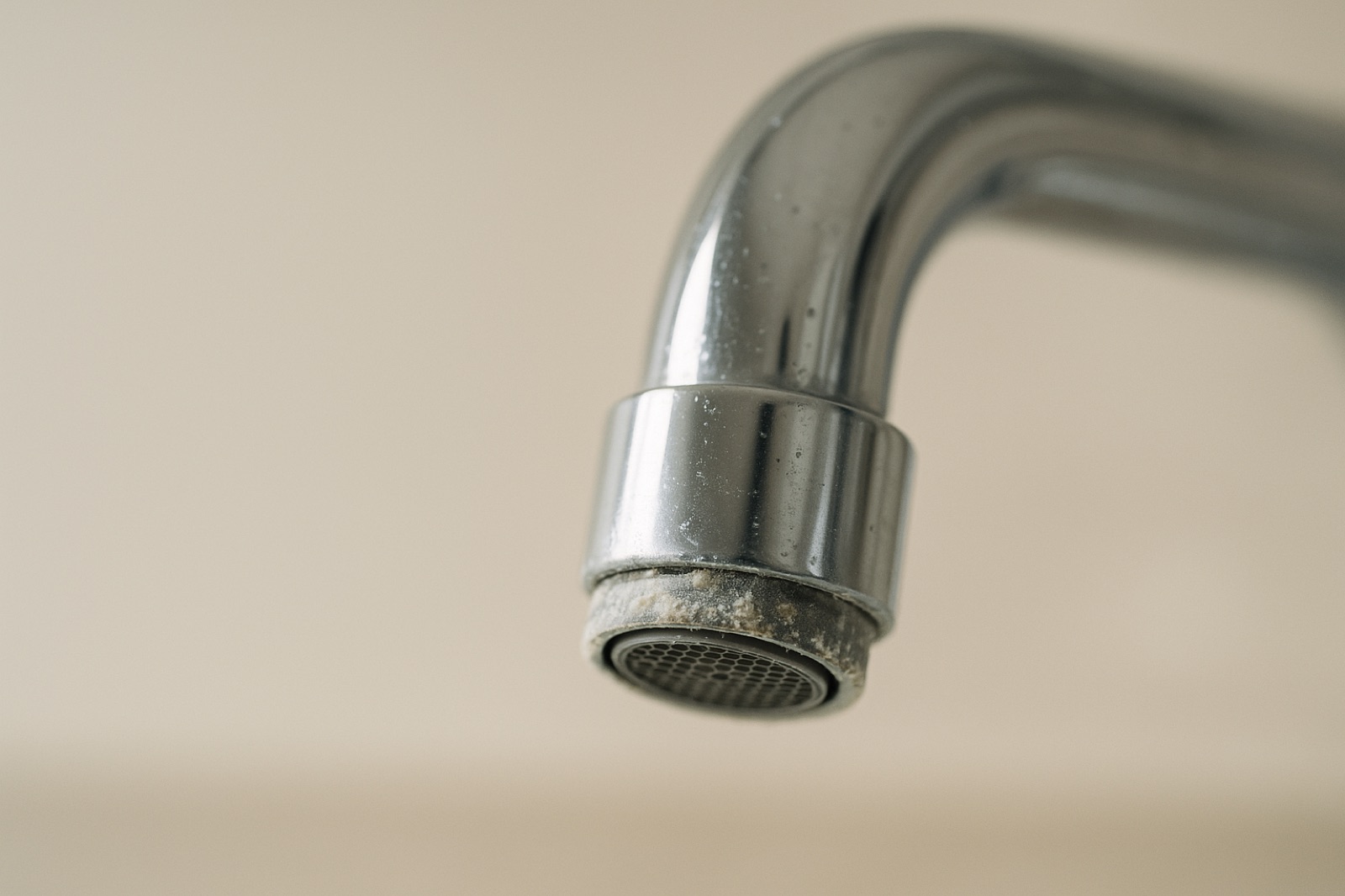
A water treatment purchase should begin with a result you can describe and check. “Better water” is too vague. Fewer crusty deposits on faucets, less chlorine taste at the kitchen sink, no orange staining in the laundry, or a verified reduction of a particular contaminant are useful goals.
That distinction matters as utilities invest in both physical infrastructure and information. Water Finance and Management contributor Jarrod Gerbaud reports that more than $50 billion from the Infrastructure Investment and Jobs Act is helping communities modernize pipes, treatment facilities, and distribution systems. The article also points to a continuing data gap. Its examination of water infrastructure data is a useful reminder for homeowners: equipment is only part of the answer. You also need reliable information about the water entering your home and evidence that the chosen treatment addresses it.
Start with the outcome, not the appliance
Use the symptom that prompted your search, then translate it into a treatment target. Scale on heating elements and mineral spots usually point toward hardness control. A conventional ion exchange softener is designed for that job. It exchanges hardness minerals for sodium or potassium ions, depending on how the system is configured.
Unpleasant taste or odor calls for a different investigation. Activated carbon filtration can reduce many common taste and odor compounds, including chlorine, but it does not soften water. Odors can also originate in one drain, one water heater, or the source water. Confirm where the odor appears before buying a whole-home filter.
Staining needs its own diagnosis. Orange or brown stains can be associated with iron, while blue-green marks may suggest plumbing corrosion. Black staining can have several possible causes. A softener may handle limited amounts of some forms of dissolved iron, but visible staining does not automatically make a softener the correct choice.
Contaminants require the most specific goal. Choose treatment around an identified substance and concentration, not around a general promise of purity. Different technologies address different substances, and performance depends on system design, operating conditions, maintenance, and replacement schedules.
Use this softener-versus-filter matrix
Scale, white mineral deposits, or poor soap performance: Test hardness. If the result confirms hard water throughout the house, compare softeners.
Chlorine taste or a similar aesthetic complaint: Compare carbon filters after confirming that the problem occurs in the incoming water. Decide whether you need treatment at one tap or throughout the home.
Orange, brown, blue-green, or black staining: Test for likely causes before selecting equipment. The answer may be specialized filtration, corrosion correction, a softener, or a plumbing repair.
A named contaminant: Use a certified laboratory result when appropriate, then look for equipment certified for the relevant reduction claim. A generic sediment or carbon filter should not be assumed to solve every contaminant problem.
Hardness plus taste, odor, or a confirmed contaminant: You may need separate treatment stages. A softener and a filter do different jobs, even when both are installed in the same treatment train.
Bring a testing checklist to every quote
First, record whether each symptom appears at hot taps, cold taps, or both. Check several locations so a single faucet or drain does not define a whole-home purchase.
Second, identify your water source. Public water customers can review their utility’s available water quality information. Private well owners generally need testing appropriate to the well and local conditions.
Third, list the measurements connected to your complaint. That might include hardness, iron, manganese, pH, or a laboratory test for a specific contaminant. Do not let an unrelated measurement substitute for the one that matters.
Fourth, ask the seller to write down the treatment target, equipment type, expected result, maintenance schedule, and method for checking performance. If you want help establishing those measurements, Jones Air & Water offer free in-home water tests. An in-home screening can help with treatment selection, although some health-related contaminants require analysis by an appropriate laboratory.
Finally, plan the follow-up. Repeat the relevant measurement after installation when practical, and keep the result with the system records. Taste and appearance matter, but they cannot verify every performance claim.
The Home Water Report recorded 3,226 page views from 1,068 visitors, along with 1,265 search crawls and 2,891 AI crawls. Those figures show substantial discovery activity, but no assist or CRM data was supplied, so they cannot tell us which treatment readers ultimately chose. For you as a homeowner, the useful lesson is simpler: discovery is only the beginning. A defensible purchase connects one clearly defined problem to the right treatment and a result you can verify.