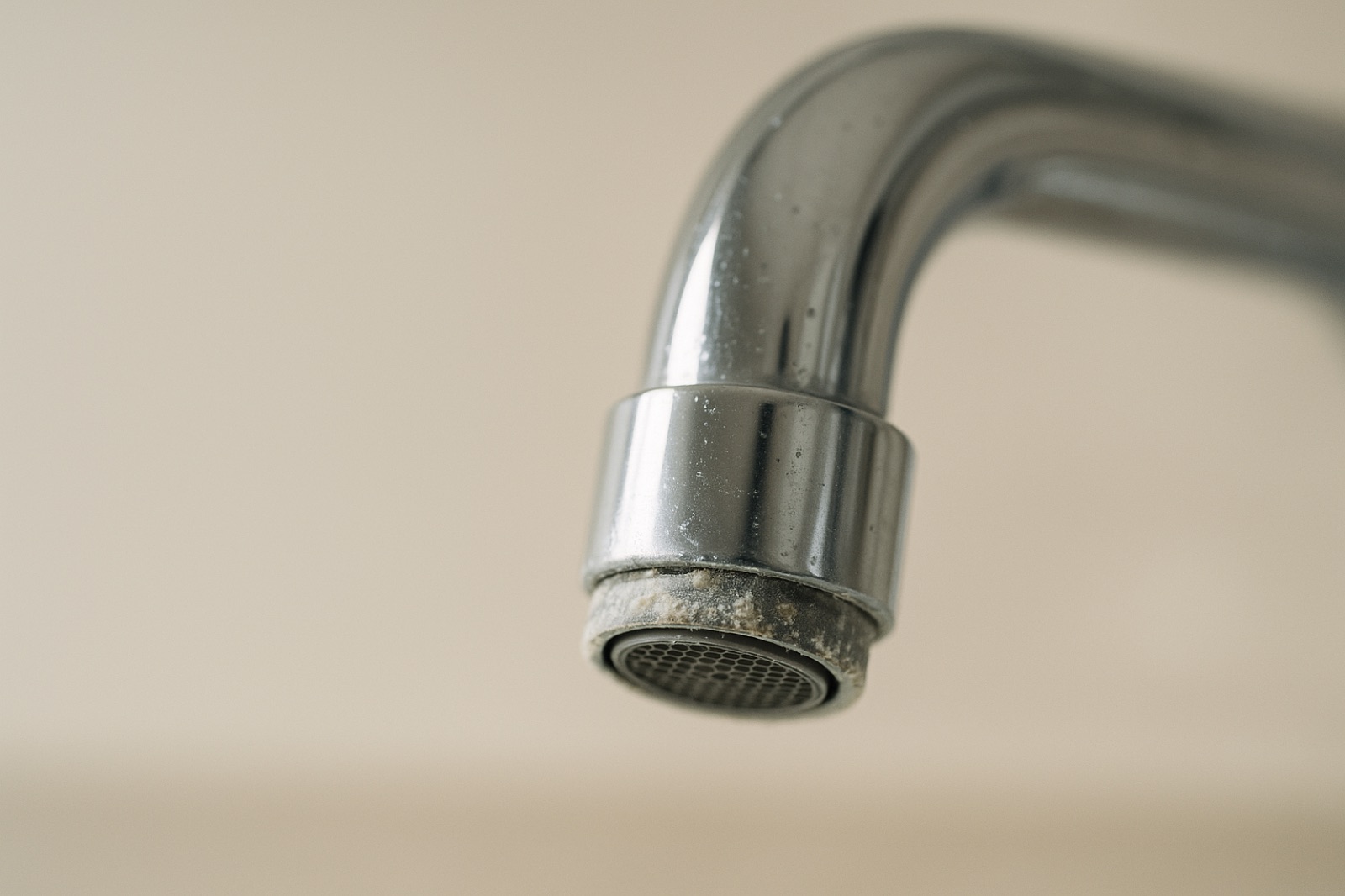
Sediment filters are often the first treatment device a homeowner buys, and they are easy to choose badly. The box shows a number in microns, the shelf offers a range from coarse to very fine, and the price climbs with each added stage. Before you pick one, it helps to know what that micron rating really tells you and what it leaves out.
A micron is one thousandth of a millimeter. A 5-micron cartridge is designed to catch sand, silt, and rust flakes, while a 1-micron cartridge targets much finer material. The rating is a design target, not a guarantee for every water supply. Look for whether the manufacturer states nominal or absolute performance and which test it used to support the claim. If the product sheet does not say, ask the seller before you buy.
Start With What Is in Your Water
Choose the rating based on the problem you are trying to solve. If you see grit in the bathroom aerator, sand in the washing machine drum, or particles that settle at the bottom of a glass, a coarser prefilter usually handles the job and protects the rest of the system. If you are trying to reduce finer material, a finer cartridge may be appropriate, but you should know what you are targeting before you spend the money.
Many homeowners on private wells see sediment after heavy rain, after a pump restarts, or after work on the well or pressure system. Those events can change what reaches the house from one week to the next, so a single filter choice may not stay right forever. Keep notes on when the grit appears and whether it shows up at one tap or throughout the home. That record will help you decide whether a single stage is enough.
Finer Is Not Always Better
A cartridge that catches very small particles also clogs sooner, and a clogged cartridge reduces flow. A 1-micron sediment filter placed on a whole-house line can leave you with weak pressure at the shower even when the filter is new, and the problem gets worse as it loads. For that reason, many sensible setups use two stages: a coarser cartridge first to catch the heavy material, then a finer one second to clean up what gets past it. The first stage does the heavy lifting, and the second stage lasts longer because it is not doing everything alone.
Ask the seller whether the filter is meant for the whole house or a single fixture. A whole-house unit needs enough flow capacity for the peak demand of your home, including showers, laundry, and dishwashers running at the same time. A point-of-use unit under the sink can be finer because it only serves one tap. Mixing up those two roles is one of the most common buying mistakes.
Check the Flow Rating and the Replacement Plan
Read the flow rating in gallons per minute before you compare prices. A cartridge rated for a higher flow is usually built with more surface area, which helps it stay useful longer. Then check the housing size and the cartridge size the system uses. Some housings take standard cartridges that many brands sell, while others require a proprietary model that only one company supplies. That difference can change your replacement cost for years.
Write down the replacement schedule on the housing or in your home maintenance file. Many people buy a filter, forget it, and only notice a problem when the water slows to a trickle. A simple habit of checking the cartridge when you notice a pressure drop, and replacing it on a set calendar as a backup, keeps the system working without guesswork.
Be Wary of Labels That Skip the Number
Some packaging says the filter "removes everything" or uses large icons without stating a micron figure. A label like that tells you very little. Ask for the data sheet, look for the micron rating and the test basis, and confirm the flow rate. If the seller cannot give you those details, you have learned something useful about the product.
Headlines Change Politics, Not Your Filter
Policy news about water can feel urgent, but the filter on your line does not respond to a headline. In its coverage of the November 3, 2026 election, Circle of Blue, in a piece by Keith Schneider, says that "The environment swung back big on November 3." Whatever the political result, the practical question for your home stays the same: what is in your water, and does the cartridge you are considering address it?
Measure first, buy second, and keep a short log of what you see. A sediment filter chosen for your actual water will serve you better than one chosen for the marketing on the front of the box.