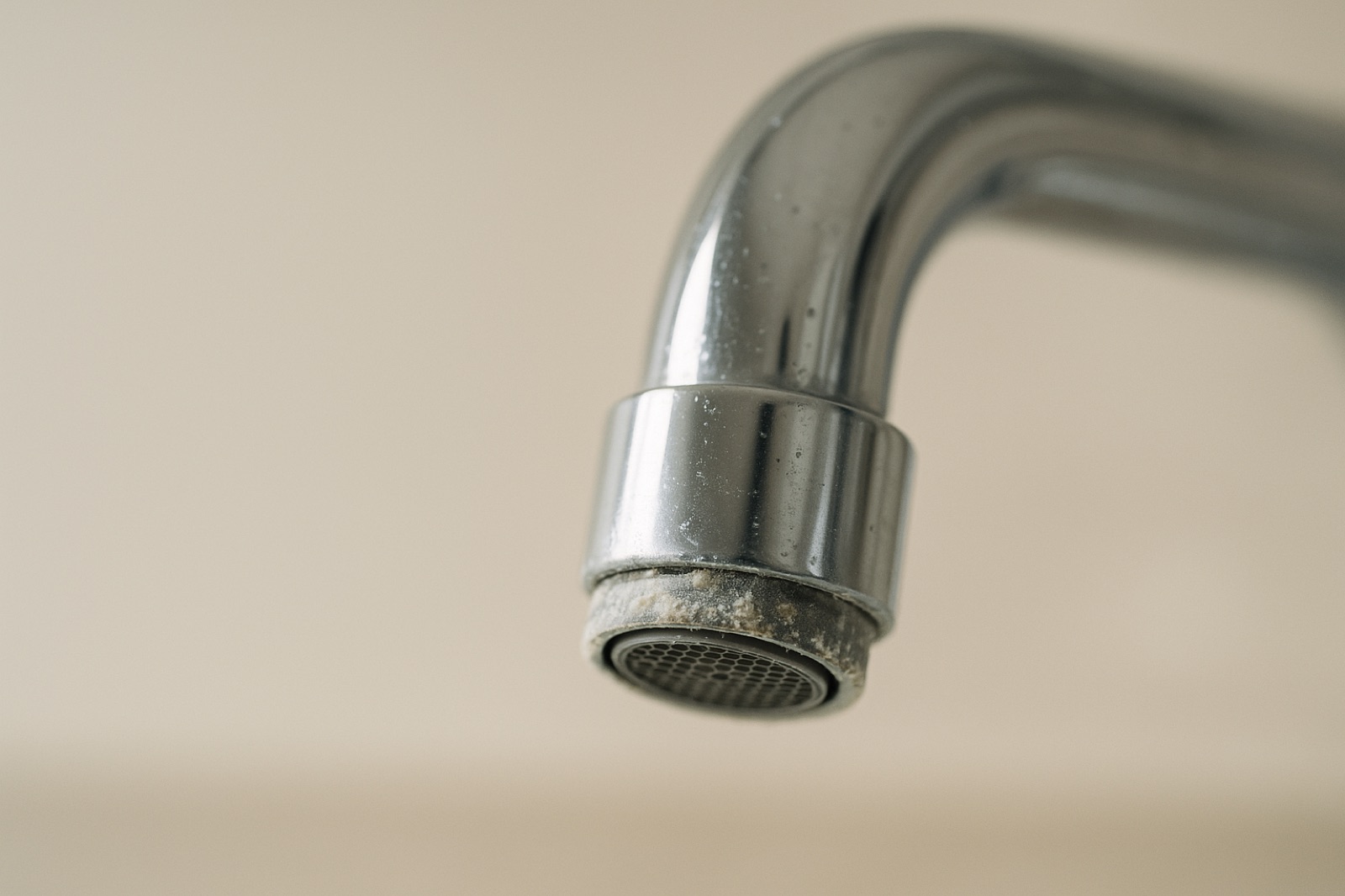
Your well water begins its journey beyond the kitchen faucet. Rain moves across soil, water travels underground, and activities elsewhere on the property can affect what eventually reaches the well. That is why a useful testing plan starts with a walk outside.
On September 29, 2026, Keith Schneider’s Circle of Blue profile of Wendell Berry’s water intelligence connected Berry’s Kentucky farm with his warnings about damage from industrial agriculture. For a homeowner with a private well, the practical lesson is smaller and close to home: water reflects what happens on the land around it.
This does not mean you can diagnose well water by looking at your yard. You cannot see bacteria, nitrate, or many other potential concerns. But a property map can help you decide what to test, when to collect a sample, and which changes deserve attention.
Start with the well, not the test kit
Locate the wellhead and note its condition. Look for a missing or damaged cap, cracked casing, loose wiring openings, pooling water, or soil that slopes toward the well. Do not open the well or attempt repairs during this inspection. Your job is to document what you can see safely.
Next, mark the septic tank and drain field if your home uses them. Add fuel tanks, livestock areas, compost piles, fertilizer storage, chemical storage, drainage ditches, and frequently treated lawn or garden areas. Include neighboring features you can plainly observe, but do not assume they are causing a problem.
Draw arrows showing where surface water appears to travel during heavy rain. A phone photo or rough paper sketch is enough. The map does not need to look professional. It needs to help you remember where water collects and what sits near its path.
Make a timeline of changes
A standard annual test provides a useful snapshot, but a change log gives that result context. Write down recent construction, septic work, flooding, excavation, landscaping, agricultural activity, or damage to the wellhead. Record when you first noticed any change in taste, odor, color, sediment, or water pressure.
Timing matters. A sample collected during a dry period may not represent conditions after prolonged rain or flooding. That does not make either result wrong. It means each describes the water at a particular moment.
If a problem appears only after storms, tell the laboratory or local health department. They can help you decide whether to sample during normal conditions, after wet weather, or at both times. Do not collect a storm-related sample while the area is unsafe or flooded.
Let the map shape your questions
Your observations are not substitutes for laboratory analysis. They are prompts for a better conversation. Instead of asking for every available test, explain what changed and ask which analytes fit that situation.
A damaged well cap or runoff reaching the casing may raise different questions than a nearby fuel spill. Agricultural activity may suggest a different panel than staining in plumbing. Local geology can also create naturally occurring water issues that have nothing to do with current land use.
Use a laboratory certified for the testing you need, and follow its sampling instructions exactly. The bottle, collection point, preservation method, and delivery time can all affect whether a result is usable. For local guidance, contact your health department, environmental agency, or well program.
Do not assume uphill means upstream
Surface slope is useful, but groundwater does not always follow the direction you can see. Rock layers, soil, pumping patterns, and well depth can influence underground movement. A feature downhill from the well should not automatically be dismissed, and an uphill feature should not automatically be blamed.
This is where homeowner observation reaches its limit. If results show a concern, or repeated results change sharply, a qualified well professional or local agency can help evaluate the well and surrounding site.
Keep the map with your results
Save the sketch, photos, laboratory report, sampling date, weather notes, and any service records together. When you test again, update the same file rather than starting from memory.
Over time, that record can reveal whether a result was isolated, seasonal, connected to a property change, or part of a pattern. It can also prevent you from buying treatment based on one unexplained number. The smartest first step is often not another appliance. It is understanding the relationship between your water, your well, and the land around both.