When disruptive weather is possible, bottled water and flashlights are obvious preparations. Your household water deserves one more step: document what is normal before conditions change.
On October 7, 2026, The Guardian reported that California could face a mix of natural disasters as El Niño puts the state in the climate phenomenon's path. The story describes the potential impact as “Like an earthquake”. That statewide concern cannot tell you what is in your tap water, but it offers a useful prompt. If you know how your water normally looks, smells, tastes, and tests, you will have a better basis for recognizing a meaningful change later.
Record the ordinary before judging the unusual
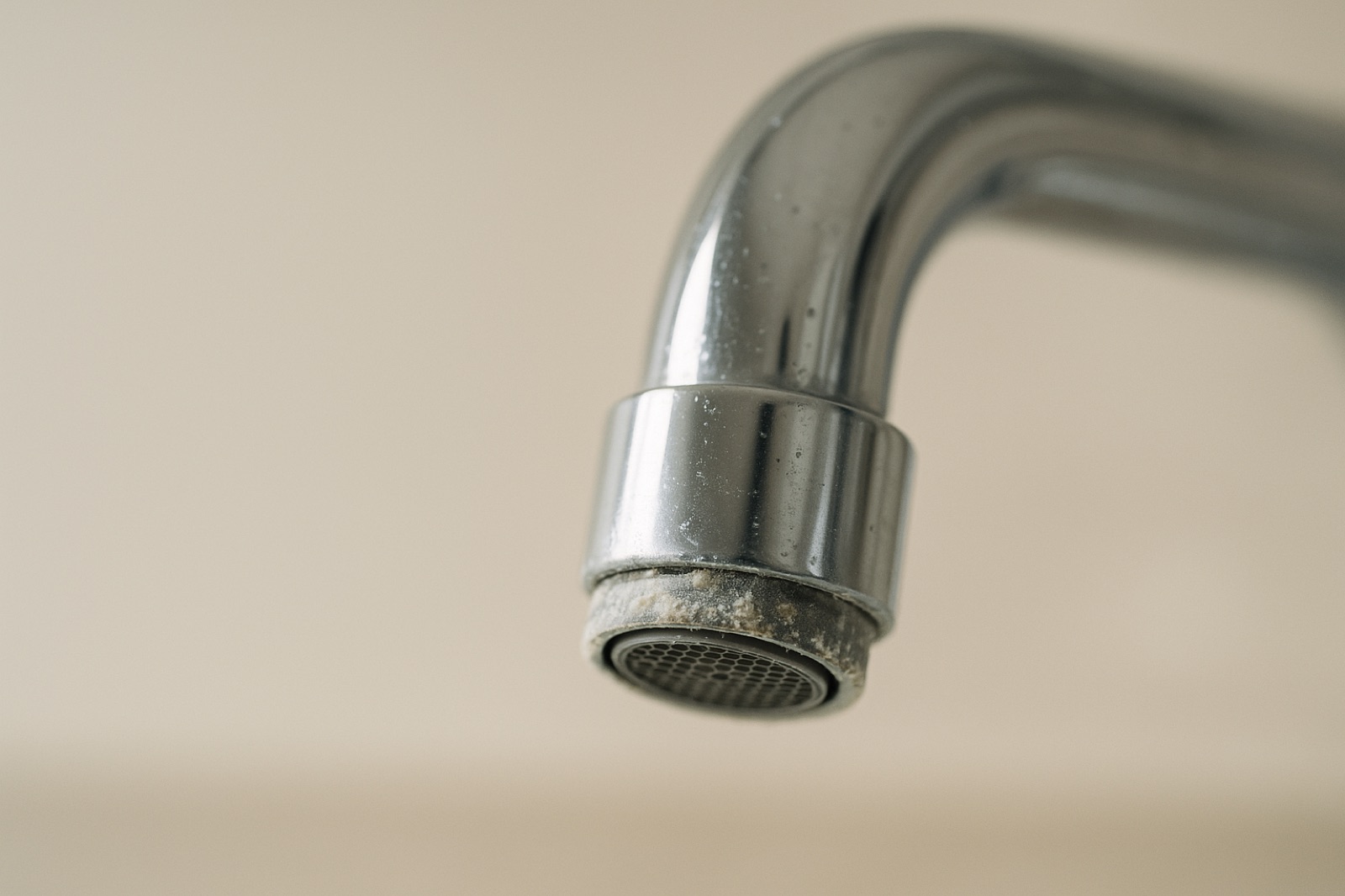
Choose one cold water tap that has not just been used. Note whether the water is clear, whether it has a noticeable odor, and whether its taste is typical for your home. Photograph a frequently cleaned faucet, shower door, sink, and toilet bowl. If scale or staining is already present, those photos prevent you from mistakenly treating an old condition as a new one.
Next, gather the documents you already have. Municipal customers can save their latest utility water quality report. Private well owners can locate prior laboratory results, the well log if available, and records for filters, disinfection equipment, or a softener. Write down cartridge sizes, replacement dates, salt use, and any settings you can read without changing them.
This is not a do-it-yourself declaration that your water is safe. It is a baseline that helps you explain what changed, where it appeared, and when you first noticed it.
Use this symptom and treatment matrix
Scale: Chalky deposits on fixtures, reduced soap lather, and recurring mineral buildup point toward a hardness investigation. Test hardness before shopping. A softener is designed to address hardness minerals. A typical taste and odor filter is not a substitute for softening.
Taste: First compare cold water at more than one tap. A problem at one faucet may call for local inspection, while a house-wide change deserves broader attention. Treatment depends on the cause, so taste alone does not establish whether you need carbon filtration, reverse osmosis, maintenance, or no new equipment.
Odor: Record whether the smell occurs at one tap or throughout the house, and whether it appears in cold water, hot water, or both. That pattern can help distinguish a localized plumbing or water-heater issue from a broader water concern. Avoid choosing a filter solely because its packaging mentions odor.
Staining: Note the color, room, fixture, and speed of return after cleaning. Orange, blue-green, black, and pink marks do not all have the same explanation. Photograph the stain and test for the suspected cause before selecting treatment.
Contaminants: If your concern is a named substance, use an appropriate certified laboratory test or an applicable utility result. Neither clear water nor pleasant taste can answer a contaminant question. A softener should not be treated as a general safety device, and no filter should be assumed to remove a contaminant unless its performance claim specifically covers it.
Follow a short testing checklist
Write down the symptom, its first appearance, and whether it affects hot water, cold water, or both. Check more than one tap. Ask whether neighbors or the utility report a similar change, if you receive municipal water. For a private well, record any flooding, loss of power, repairs, or changes near the well. Preserve prior results so the laboratory can compare like with like. Finally, choose tests for the actual question rather than ordering an arbitrary package.
If results indicate hardness and a separate taste, odor, or contaminant issue, you may need both softening and filtration. The order, capacity, and treatment location should follow the water results and household demand. Homeowners seeking local context can review professional water assessment information from Reverse Osmosis STL.
Let evidence trigger the purchase
The useful sequence is baseline, observed change, targeted test, then equipment decision. It keeps an approaching weather concern from becoming a rushed purchase and gives a water professional something more useful than “the water seems different.”
This guidance answers a recurring homeowner question: whether a household problem calls for softening, filtration, or additional testing. The Home Water Report's available audience figures show 3,226 page views, 1,068 visitors, 1,265 search crawls, and 2,891 AI crawls. No assist or customer relationship management data was supplied, so those figures show interest and discovery activity, not treatment purchases or outcomes.