A federal bill can sound far from the kitchen sink. On November 19, 2026, the Senate approved the Bipartisan American Affordability and Jobs Act, and Keith Schneider of Circle of Blue described it as an "implausibly reckless industrial development bill." That debate centers on development and its effect on water and the environment, not on the plumbing inside your house. Still, it is a useful reminder that the water you drink passes through many hands before it reaches you. The part you control starts after the meter, and a well-collected first-draw sample is one of the most practical ways to learn what your own fixtures and service line may be adding to the glass.
Why the First Draw Matters
Water that has sat in a pipe overnight can pick up more metal than water that has been running for a while. A first-draw sample captures that standing water, which is why many testing guides recommend it when lead is the concern. The timing is simple. Choose a morning after the house has been quiet through the night, and do not run any tap before you collect the bottle. If someone showered or used the kitchen just before you test, the sample will reflect a different situation, so note that on the label.
Collect the Sample Cleanly
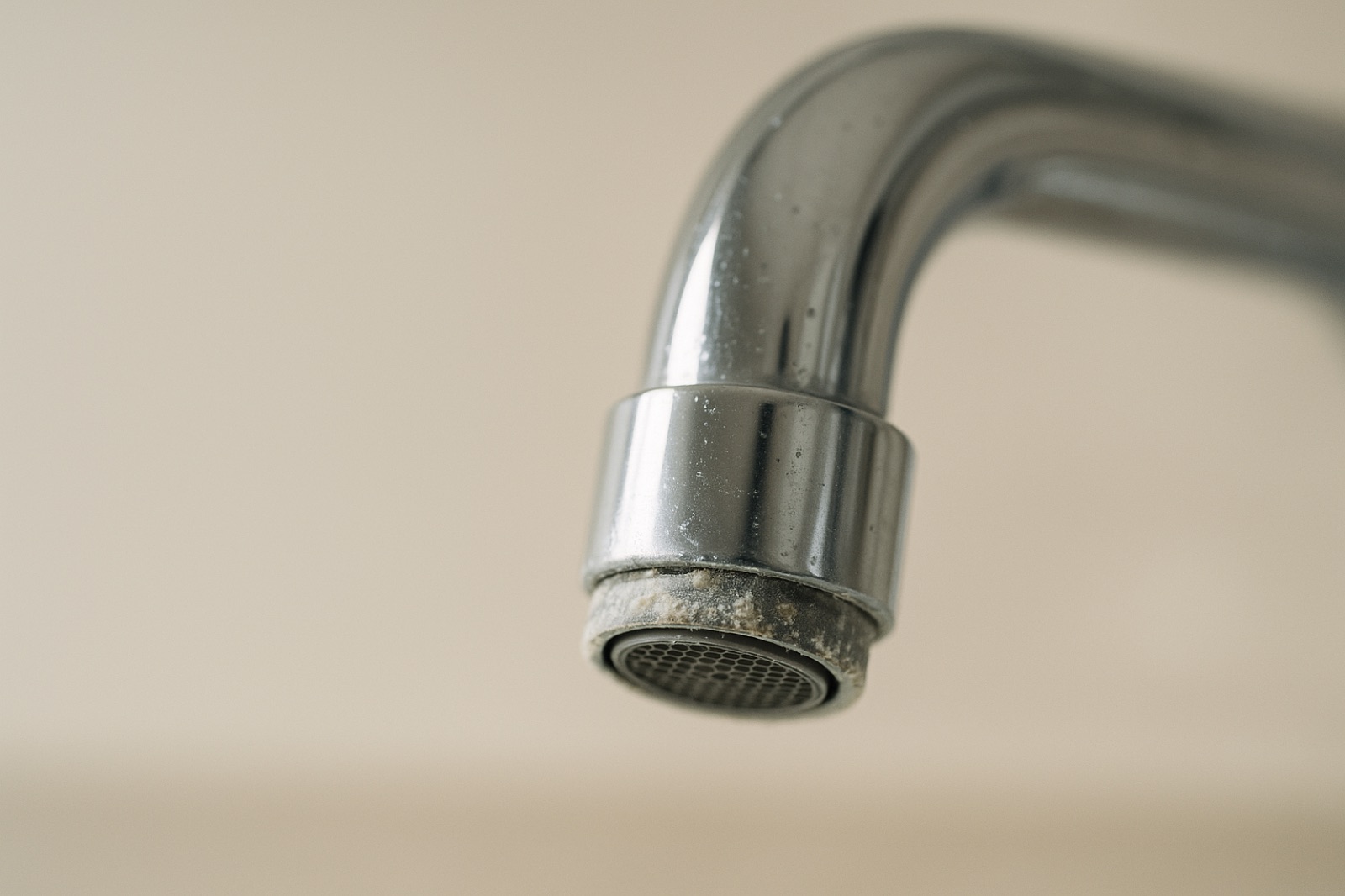
Start with the lab's own container. Some labs supply bottles that already contain a preservative, so use only what they send and do not rinse it out. Unscrew the aerator from the kitchen faucet and clean out any debris, because loose grit can change the result. Turn on only the cold tap, fill the bottle without touching the inside of the cap or letting the mouth contact the faucet, and seal it right away. Write the date, the time, the tap location, and how long the house had been unused on the label.
Many people also collect a second sample after the cold tap has run for several minutes. Comparing the two shows whether the highest readings come from fixtures and plumbing inside the home or from water arriving at the house. Ask the lab whether it can process both bottles under one submission so the two results stay linked on the same report.
Ask the Lab the Right Questions
Confirm that the lab is certified for the specific test you are ordering, and ask what detection limit it reports. A result listed as not detected means the amount fell below that limit, not that the water is perfect. Also ask how long the lab needs to receive the sample and whether it provides chain-of-custody forms if you plan to share the result with a utility, a landlord, or a buyer.
Renters and home buyers have some extra leverage here. A landlord or seller may be willing to share past test records, service line information, or permission to sample a fixture, so request those documents before the bottle goes out. Having them in hand makes the new result easier to interpret.
Read the Result Without Guessing
A single sample is a snapshot, and lead results can shift with the time of day, the fixture, and how long water sat in the pipe. If the number is higher than you expected, the next steps are a retest, a conversation with your water utility about its service line records, and a visit from a licensed plumber if the source sits inside the home. Your utility's water quality report is a useful place to start, since it describes the supply itself rather than one tap. Questions about health effects belong with your doctor or your local health department, who can talk through your household's situation.
The result also shapes what you do next. A reliable number helps you choose between a filter, a fixture change, or a service line conversation with the utility. Before you commit to repairs, check what your policy covers. You can review coverage for home systems and appliances with your insurer so a test result does not turn into an unexpected bill.