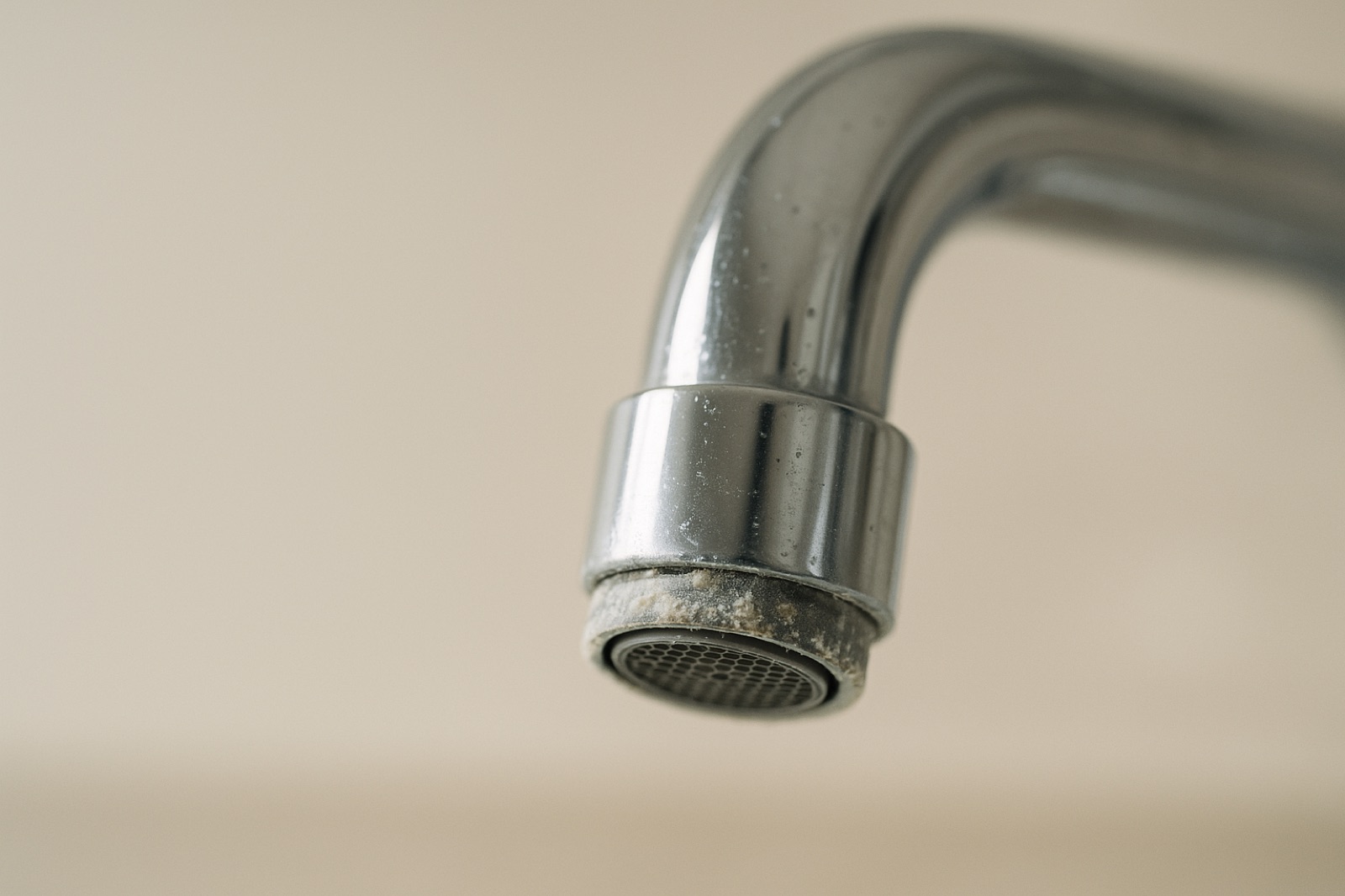
Water is an essential part of our daily lives, yet many of us take its quality for granted. Recent reports highlight the increasing concern over contaminants in our water supply, particularly with the troubling presence of PFAS, often referred to as "forever chemicals." In North Bay, Ontario, the community is grappling with a significant PFAS issue, emphasizing the need for vigilant water testing and filtration solutions. If you are a homeowner wondering about the safety of your water, here is a practical guide to help you navigate testing and filtration methods.
Understanding Contaminants
Before diving into testing methods, it is essential to understand what contaminants may be present in your water. Common pollutants include heavy metals, bacteria, chlorine, and chemicals like PFAS. These substances can arise from various sources including agricultural runoff, industrial discharges, and aging infrastructure. In many areas, these issues are compounded by climate change and water shortages, as highlighted in recent discussions about the Colorado River, where local managers are trying to find cooperative solutions to ongoing water challenges. Understanding your specific regional issues can guide your testing needs.
Why Testing Matters
Testing your water is the first step to ensuring its safety. It gives you a clear insight into the quality of your water and identifies any potential hazards. Home testing kits are available for various contaminants, but for a comprehensive analysis, consider professional testing services. These services can detect a wider range of pollutants and will often provide you with a clearer idea of the water quality in your home.
Choosing the Right Filtration System
Once you’ve identified contaminants through testing, the next step is choosing an appropriate filtration system. There are various types of filtration systems, including activated carbon filters, reverse osmosis systems, and whole-house filters. Each type has its strengths and weaknesses depending on the contaminants you are concerned about. For instance, while activated carbon can effectively remove chlorine and odors, it may not be as effective against heavy metals or PFAS.
For many homeowners, reverse osmosis systems are a popular choice because they can effectively eliminate a wide range of contaminants including lead, nitrates, and some types of PFAS. These systems can be installed at the point of use, such as under your kitchen sink, or as a whole-house solution. For those considering a reverse osmosis system, companies like Reverse Osmosis STL offer various options tailored to your specific needs.
Regular Monitoring and Maintenance
Even after installing a filtration system, it is essential to continue monitoring your water quality. Regular testing can help ensure that your filtration system is performing effectively and that no new contaminants have emerged. Additionally, follow maintenance instructions for your filtration system regularly to keep it functioning optimally.
Staying Informed
Being proactive about your water quality can save you from long-term health issues and costly repairs down the line. Many communities are now organizing informational sessions about local water issues, such as the ongoing PFAS contamination in North Bay, where residents are working together to address these challenges. Engaging with local initiatives can provide you with valuable information and resources to manage your home water quality.
While it might seem overwhelming at first, taking these steps can significantly enhance the safety of your home water supply. Regular testing and appropriate filtration can protect your family from potential contaminants, ensuring that the water you drink, cook with, and bathe in is safe and clean.