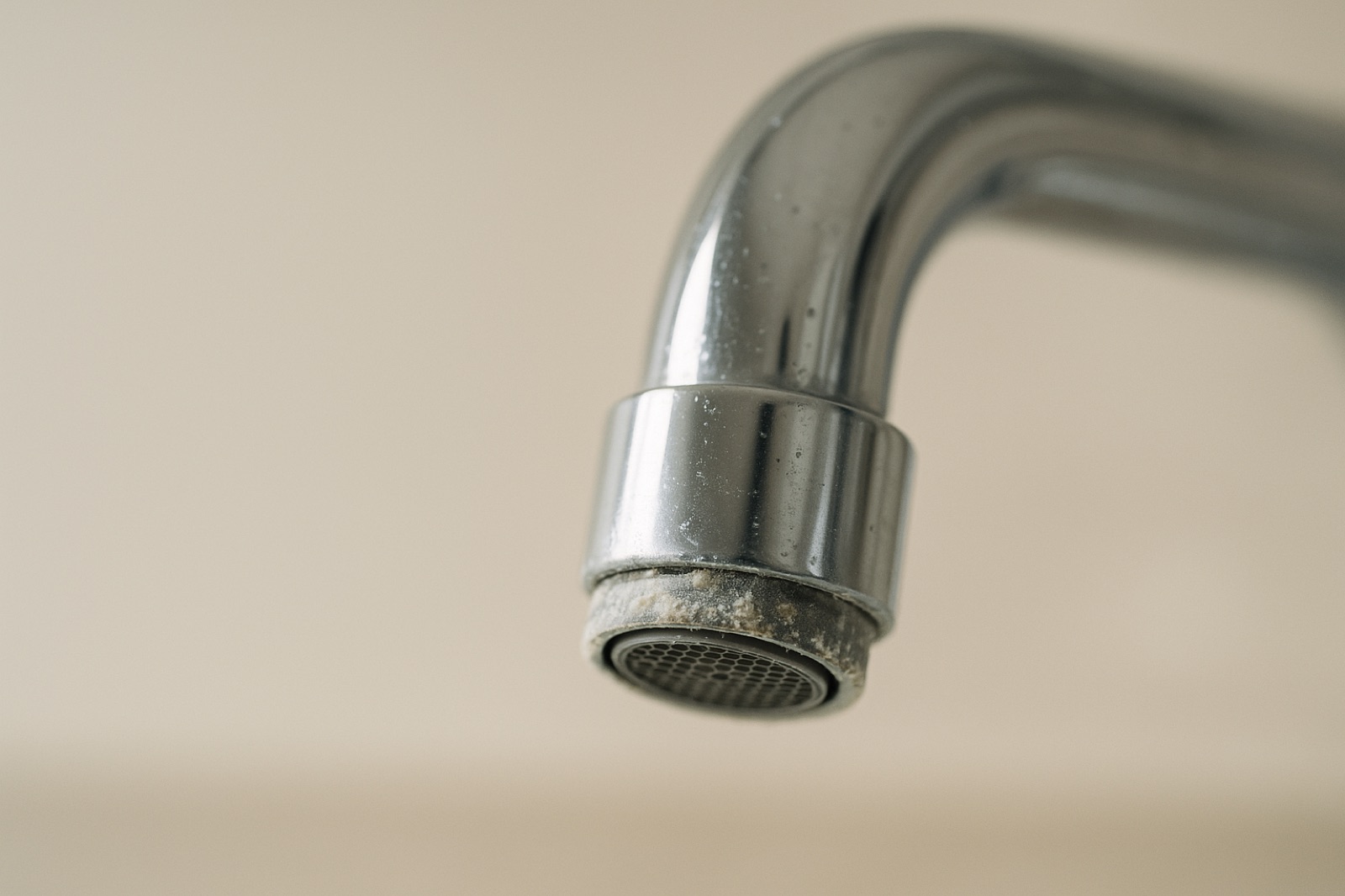
When unsettling news comes from a river or lake near your community, it is natural to look at the kitchen faucet differently. You may wonder whether a change in the waterway has already become a change in your drinking water.
A current example comes from Circle of Blue, which reports that Illinois officials detected invasive carp in the Illinois River about 80 miles from Lake Michigan, the closest the fish are known to have reached the Great Lakes. You can read the Circle of Blue report on the invasive carp detection.
That is significant ecological news. It is not, by itself, evidence that tap water contains a contaminant or requires a new filter. Understanding why can help you respond to water headlines with appropriate attention, without buying equipment for the wrong problem.
Source water and tap water are not the same sample
A river, reservoir, or lake may serve as source water for a public system. Before that water reaches your house, however, it generally passes through treatment and distribution. Conditions in the original water body matter, but they do not describe the finished water at your faucet.
Invasive fish are primarily an ecosystem issue. Their presence can affect food webs, habitat, recreation, and the management of a waterway. It does not establish that the water contains lead, bacteria, PFAS, excess hardness, or any other specific substance you might test or treat at home.
This distinction matters because household treatment devices are problem specific. A sediment cartridge catches particles. Activated carbon can reduce certain tastes, odors, and chemicals when it is properly selected and maintained. A softener addresses hardness minerals. None of those devices is a general answer to every troubling development in a watershed.
Start with the pathway to your faucet
Before ordering a laboratory kit, identify where your water comes from. If you receive a bill from a public utility, look for its annual water quality report and current notices. Confirm whether the utility draws from surface water, groundwater, or a combination. Then check whether the reported event occurred in the same source or watershed.
If you use a private well, a distant river story may have little direct relevance. Your well draws groundwater, and its vulnerabilities depend on local geology, construction, nearby land uses, flooding, and maintenance. Proximity alone does not prove that river water and well water are connected.
The useful question is not simply, “Is this happening near me?” Ask, “Is there a plausible route from this event to my water source, and has the responsible utility or health agency identified a drinking water concern?”
Choose tests from evidence, not anxiety
A broad consumer test panel can look reassuringly comprehensive while missing the concern you actually have. It can also produce numbers that are difficult to interpret without knowing the sampling method and laboratory limits.
Instead, define the reason for testing. A utility notice may name a substance and provide sampling instructions. A change in taste, odor, or color may point toward a narrower investigation, although those clues cannot identify a contaminant on their own. Plumbing age and location can also matter because some problems arise inside the home, after water leaves the public system.
If testing is warranted, use a laboratory that can analyze the specific target and follow its collection directions closely. The correct bottle, faucet preparation, water temperature, holding time, and delivery method can all affect whether a result is useful. Do not rinse a sterile sample bottle or collect from a filtered tap unless the laboratory tells you to do so.
Know when a home test is not the first move
If your utility issues a drinking water advisory, follow that notice rather than improvising around it with a pitcher or whole-house filter. A device is only dependable for contaminants it is designed and verified to reduce, within its operating limits.
If there is no advisory and no identified pathway to your supply, begin with information gathering. Read the utility report, check official notices, and write down any household symptoms with dates and faucet locations. That record gives a utility representative, laboratory, or qualified water professional something concrete to evaluate.
Environmental news deserves attention, especially when it concerns waters that communities value and use. But the smartest homeowner response is precise: separate ecosystem harm from drinking water evidence, trace the route to your tap, and test only when you know what question the sample needs to answer.