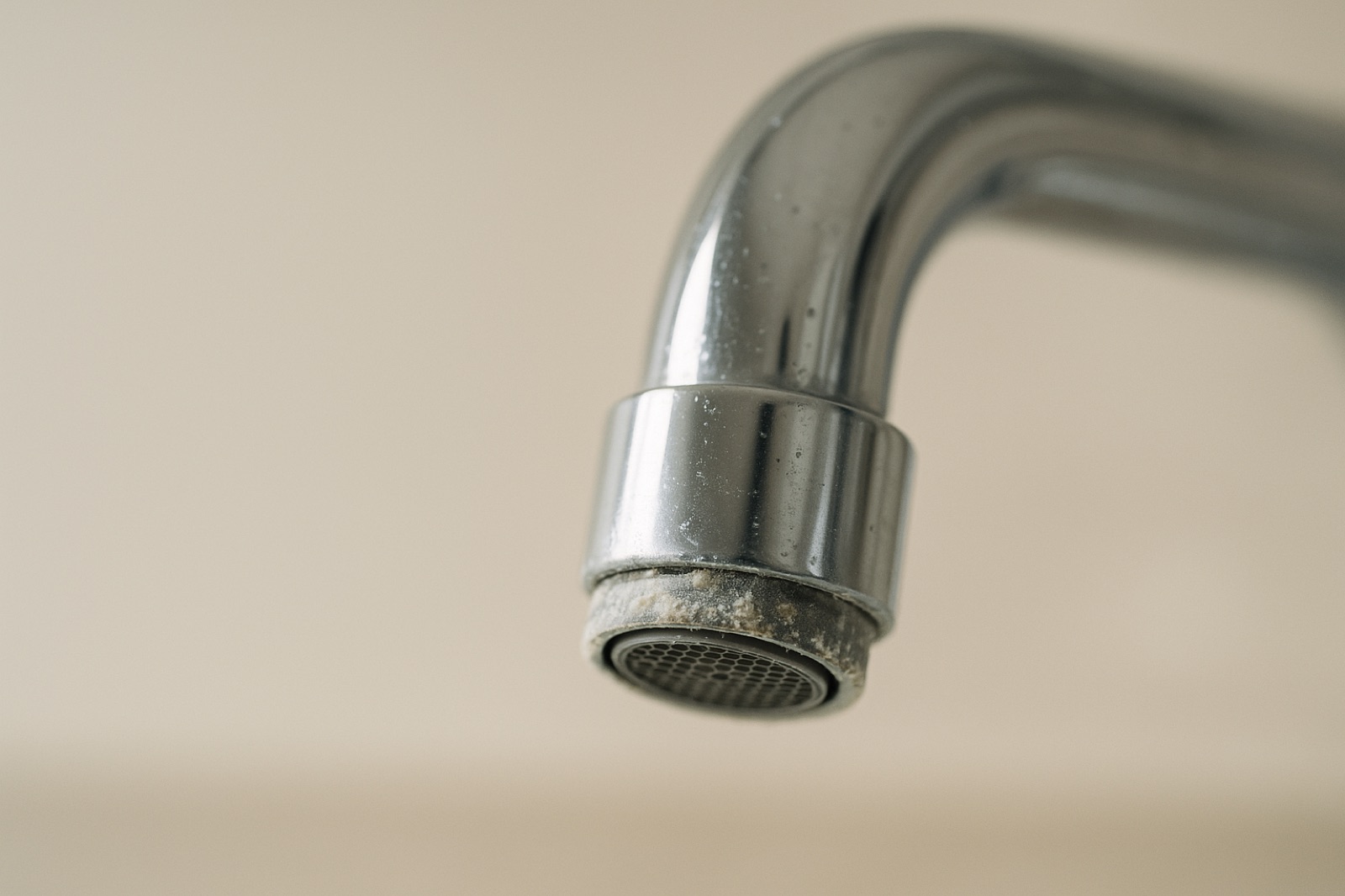
When it comes to ensuring the safety and quality of your home’s water supply, regular water testing is essential. Water testing can reveal hidden contaminants and help you make informed decisions about filtration systems and treatment solutions. As a homeowner, understanding what to test for and how often to test can make a significant difference.
Why Test Your Water?
Every home relies on water for daily activities like cooking, cleaning, and drinking. However, many homeowners are unaware of what may be lurking in their water supply. A recent report from The Guardian highlighted how residents in Texas are uniting across political lines to protect their environment against potential threats. This same sense of community and vigilance is crucial when it comes to your water quality.
Water can be contaminated by various sources, including agricultural runoff, industrial waste, and even aging plumbing systems. Regular testing can help identify common contaminants such as lead, nitrates, bacteria, and chlorine. Not only does this testing safeguard your health, but it can also protect your home’s plumbing and appliances from damage.
What to Test For
Understanding what to look for when testing your water can help you address specific concerns. Here’s a quick guide:
- Heavy Metals: Lead, copper, and arsenic can leach into drinking water from pipes and fixtures. Testing is especially important in older homes.
- Bacteria: Coliform bacteria and E.coli can indicate contamination by fecal matter, posing immediate health risks.
- Nitrates: Commonly found in agricultural areas, elevated nitrate levels can be dangerous, particularly for infants.
- Chlorine and Chloramine: These disinfectants can affect taste and smell, and prolonged exposure may lead to increased health risks.
In addition to these common contaminants, you might want to test for specific issues that pertain to your area, such as microplastics or specific agricultural runoff.
How Often Should You Test?
The frequency of water testing can depend on various factors, including the source of your water and any recent changes in your environment. A good rule of thumb is to test your water at least once a year. If you notice changes in taste, smell, or color, or if there are any environmental concerns in your area - such as recent reports of contamination - it's wise to test more frequently.
For example, with the ongoing impacts of climate change, you might be interested in how water quality varies with seasonal weather changes. Changes in rainfall and temperature can influence contamination levels.
Choosing a Testing Method
Home water testing kits are available for purchase and can provide immediate results for many common contaminants. However, for comprehensive testing, especially for heavy metals or bacteria, it may be beneficial to send samples to a certified laboratory. Ensure that the lab is accredited and follows standard testing protocols.
Depending on your findings, you might need to consider installing a filtration system. According to the Environmental Protection Agency, the right filtration system can effectively remove contaminants identified in your testing.
Staying Informed
Staying informed about your water quality can empower you to take control of your health and home. Awareness of potential threats should not only come from governmental reports; it should also stem from your proactive measures as a homeowner.
As highlighted in another recent report from The Guardian, environmental shifts can have surprising effects. Just as nature and climate impacts can affect wildlife behavior, they can also affect water quality. Monitoring these changes keeps you a step ahead.
Conclusion
In summary, regular water testing is a critical part of maintaining a safe and healthy home. By understanding what to test for and staying vigilant about changes in your water's quality, you can not only protect your family but also enhance the longevity of your plumbing systems. So take the time to test your water - your home deserves it.