As a homeowner, ensuring the quality of your water is crucial not just for your health, but also for the maintenance of your home. With increasing concerns over contaminants, regular water testing is a proactive step you can take to safeguard your family and property.
Why Test Your Water?
Water quality can be influenced by numerous factors, including the source of your water, the pipes it travels through, and even local environmental conditions. Regular testing helps identify any potential issues, from harmful bacteria to chemical pollutants. For instance, recent news highlights the U.S. Environmental Protection Agency’s (EPA) commitment to improving drinking water across various communities. In June, the EPA announced over $227 million in funding for American Indian Tribes and Alaska Native Villages to enhance their drinking water and wastewater services. This investment emphasizes the importance of access to safe, reliable drinking water for all communities, reminding us that even widespread efforts can’t replace individual responsibility in ensuring our own water quality Water Finance and Management.
What Should You Test For?
When considering water testing, be aware of common contaminants that may affect your supply. Here are several key parameters to focus on:
- Microbial Contaminants: Bacteria, viruses, and parasites can enter your water supply and pose health risks.
- Chemical Contaminants: Heavy metals like lead or mercury, and industrial chemicals like PFAS can leach into drinking water.
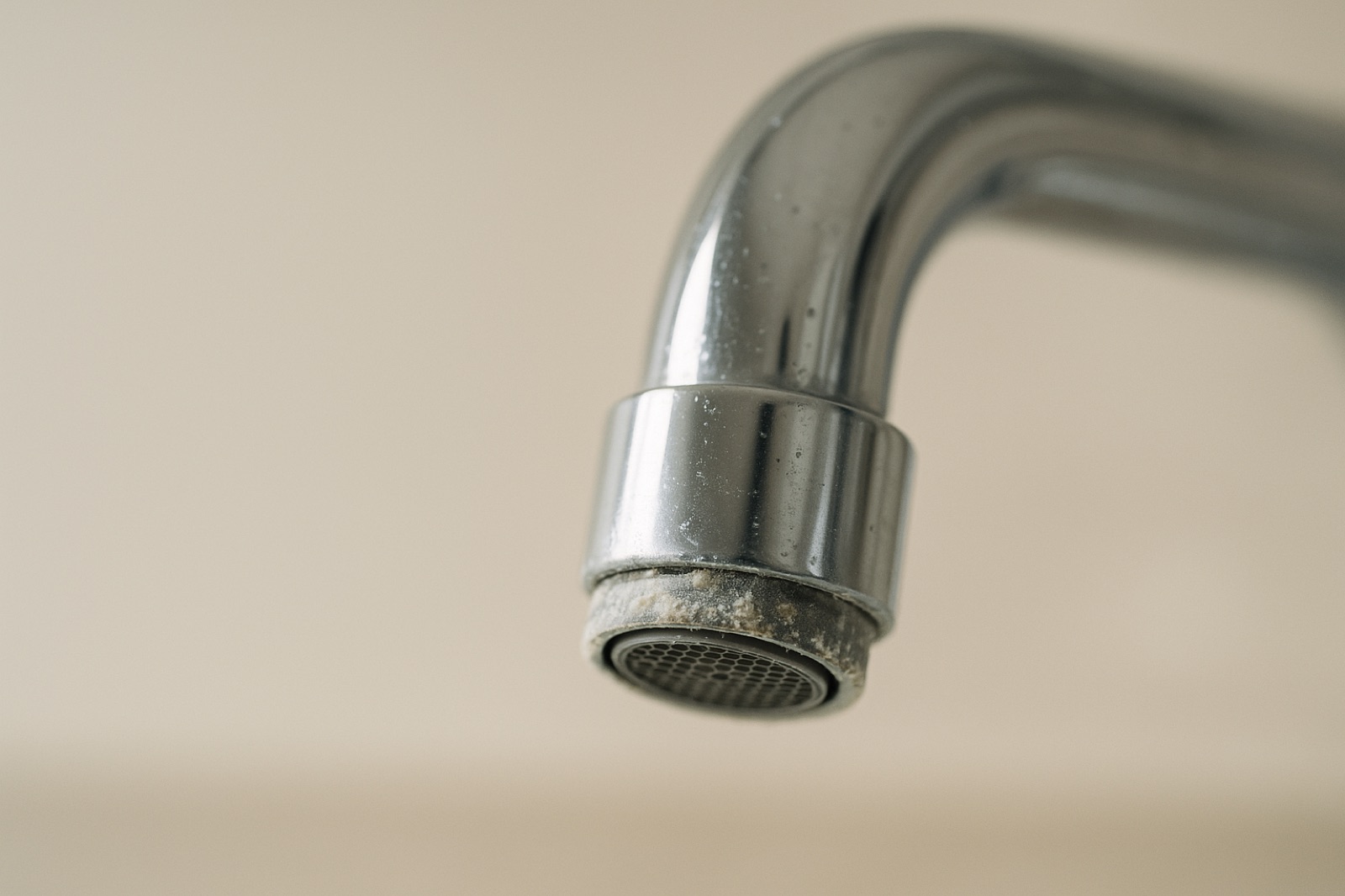
- Physical Contaminants: Sediments, rust, or other particulates can affect the taste and clarity of your water.
- Fluoride and Chlorine Levels: While these are added for dental and disinfection purposes, excessive amounts can be harmful.
Each of these contaminants can have differing sources, from agricultural runoff to aging infrastructure. Understanding what’s in your water is the first step toward a solution.
How Often Should You Test?
The frequency of testing should depend on your water source. If you have a private well, it is advisable to test your water at least once a year. For municipal water users, the EPA requires water suppliers to conduct regular testing and provide annual reports. However, as contaminants can appear unexpectedly, testing for specific concerns - especially if you notice unusual tastes, smells, or colors - can be beneficial.
What to Do After Testing
Once you receive your water test results, review them carefully. If contaminants are present above acceptable levels, it’s essential to take action. This might involve:
- Installing a water filtration system, such as a reverse osmosis system from a trusted provider like Reverse Osmosis STL, which can effectively reduce many contaminants.
- Contacting your local water authority or a water quality professional for guidance on remediation options.
- Investigating potential sources of contamination in your home, such as lead pipes or old plumbing fixtures.
Staying informed about your water quality is not just about compliance; it is about ensuring a safe environment for your family. Regular testing empowers you to make informed decisions about your water use.
Conclusion
In summary, regular water testing is a cornerstone of responsible homeownership. With growing awareness around water quality issues, taking the initiative to test your own water can help protect your health and that of your family. By staying proactive, you can ensure that your water remains clean, safe, and reliable.