As a homeowner, ensuring the safety and quality of your water supply is paramount. With increasing reports of water contamination, such as the recent concerns about PFAS in North Bay, Ontario, it’s essential to understand why regular water testing should be a part of your home maintenance routine.
Why Test Your Water?
Water quality can vary significantly depending on your location and the source of your water. Contaminants can enter your water supply through various means, whether it’s runoff from agricultural areas, aging infrastructure, or industrial pollution. The risks associated with contaminated water can include health issues, property damage, and reduced quality of life. Testing your water is the first step in identifying potential problems and determining the best course of action.
Understanding Contaminants
Understanding what you might be testing for is crucial. Common contaminants include heavy metals, bacteria, nitrates, and, increasingly, chemicals like PFAS, often referred to as “forever chemicals.” These substances can persist in the environment and the human body for long periods, leading to potential health risks such as cancer and reproductive issues. According to an article from Circle of Blue, communities like North Bay face significant challenges related to PFAS contamination, highlighting the need for vigilant water testing.
When to Test Your Water
Testing your water isn’t a one-time event; it should be done regularly. Here are a few key times to consider:
- After Natural Disasters: Flooding or severe storms can introduce contaminants into your water supply.
- After Installing a New Well: If you rely on a private well, testing is crucial to ensure your water is safe.
- Before Major Life Changes: If you are expecting a baby or if there are changes in your household, it may be wise to test your water.
- Regularly: Even if you don’t notice any changes, it's a good practice to test your water annually.
How to Test Your Water
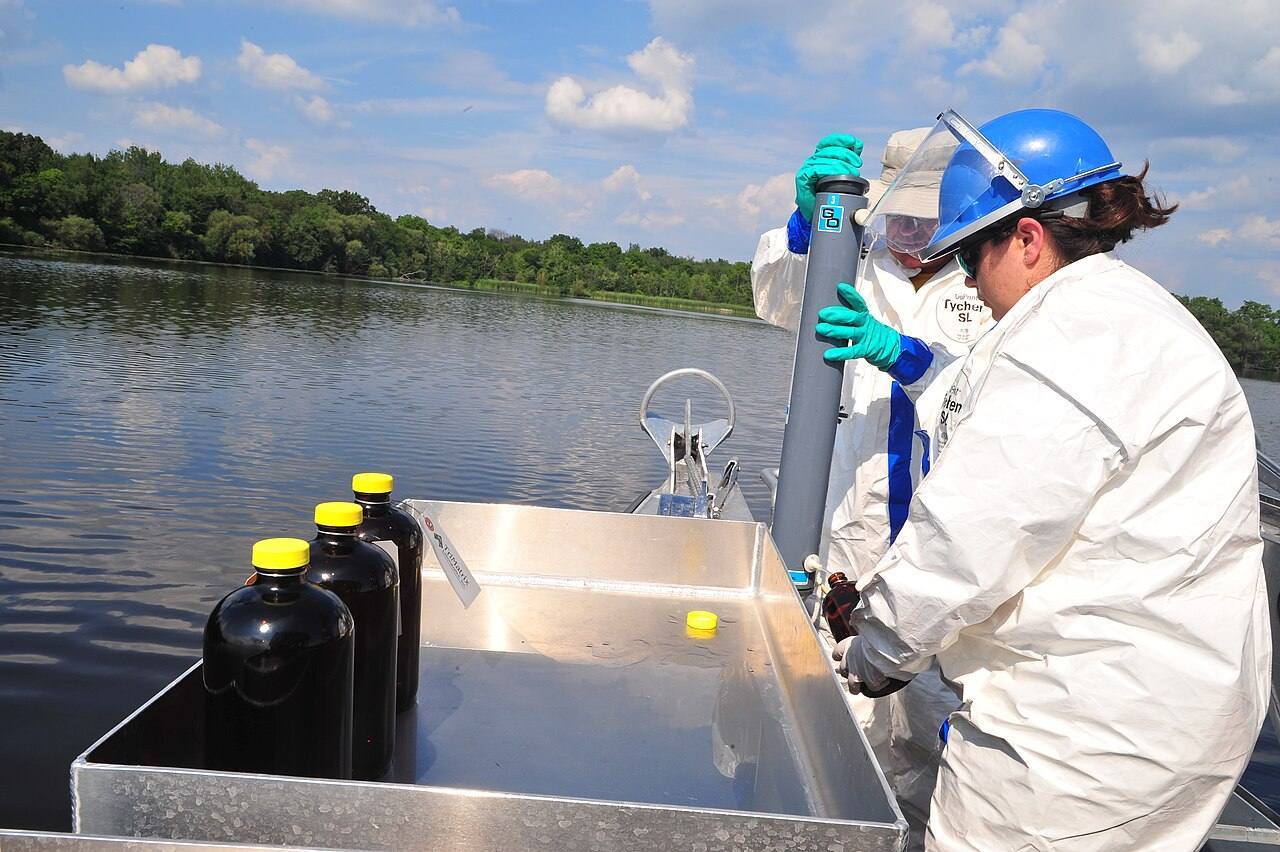
Testing your water can be done in several ways. You can purchase a home testing kit, which allows you to check for basic contaminants like pH, hardness, and chlorine levels. For more comprehensive testing, consider sending a sample to a certified laboratory. This option is particularly recommended if you suspect the presence of harmful chemicals, such as PFAS, as these require specialized testing methods.
Interpreting Your Results
Once you receive your test results, it’s essential to understand what they mean. Many testing kits and laboratories provide guidelines on acceptable limits for various contaminants. If your results indicate unsafe levels of any substances, it’s crucial to take action. This might involve installing a filtration system, connecting to a municipal water supply, or working with local authorities to address contamination issues.
Moving Forward
Your water quality impacts not just your health but also your home’s value and your family’s comfort. Regular testing empowers you to make informed decisions about your water supply. With growing awareness about water safety and health risks, including those highlighted in the Circle of Blue report on Colorado River water rights, it’s clear that communities are advocating for better water management and safety measures. As a homeowner, you can take the first step by ensuring your water is safe, starting with regular testing.