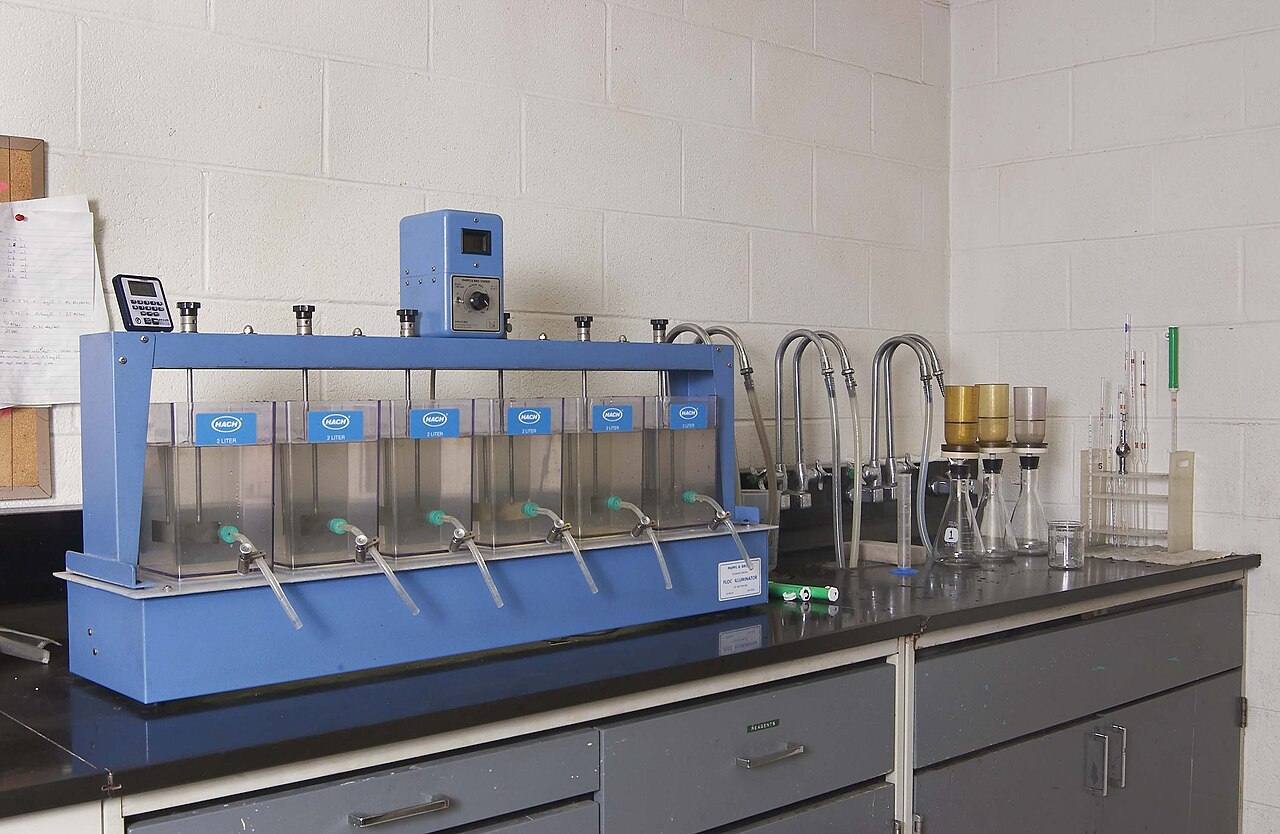
As a homeowner, you likely take great pride in your living space, ensuring that everything from your kitchen to your garden is in top shape. However, one crucial aspect of your home that often gets overlooked is the quality of your water. With reports of water shortages and contamination making headlines, understanding the importance of routine water testing is more vital than ever.
Why Test Your Water?
Water quality can significantly affect your daily life. Contaminants such as lead, bacteria, and even microplastics can infiltrate your drinking water, posing potential health risks. Understanding what’s in your water is the first step toward ensuring your family’s safety and comfort.
Recent stories highlight the urgency for homeowners to be proactive. For example, in Puerto Rico, ongoing water shortages have severely impacted residents and businesses alike due to pipeline ruptures and other issues. Such water scarcity can not only affect daily activities but can also lead to increased costs as people seek alternatives. As The Guardian reported, the conditions have driven up costs and deepened frustrations for many families.
What Can Contaminants Do?
Different contaminants can cause various issues. For instance, lead, often found in older plumbing, can lead to serious health issues over time, particularly for children. Bacteria can cause illness if ingested. Then there are emerging concerns about substances like microplastics and PFAS - chemicals that have been increasingly found in drinking water across the United States, as noted in Water Finance and Management. These substances can accumulate in the body over time, leading to potential long-term health effects.
How to Test
Testing your water can be straightforward. Home testing kits are available at hardware stores and online, allowing you to check for common contaminants. Many local water utilities also offer testing services, often for free or at a minimal cost. If you suspect more serious issues, you might want to hire a professional service.
It is recommended that homeowners test their water at least once a year, especially if they rely on well water or live in areas known for contamination. The process typically involves collecting a sample and sending it to a lab for analysis. Depending on the results, you may want to consider filtration options or other solutions.
Next Steps After Testing
If your tests indicate the presence of harmful contaminants, don't panic. There are several options available to improve your water quality. From whole-house filtration systems to point-of-use units, a variety of solutions can help safeguard your drinking water.
In addition, staying informed about local water quality reports can help you keep tabs on any changes in your area. Communities facing challenges, such as those impacted by the ongoing water issues in Puerto Rico, can experience significant fluctuations in water quality due to infrastructure problems, pollution, or climate-related events. Being proactive is essential.
Conclusion
Staying on top of your water quality through regular testing is a practical step every homeowner should consider. With the increasing reports of water contamination and shortages, taking the initiative can ensure that you and your family have safe and reliable water for all your needs. Remember, informed homeowners are empowered homeowners. So take the time to test your water - you might find it is the best investment you can make for your home.