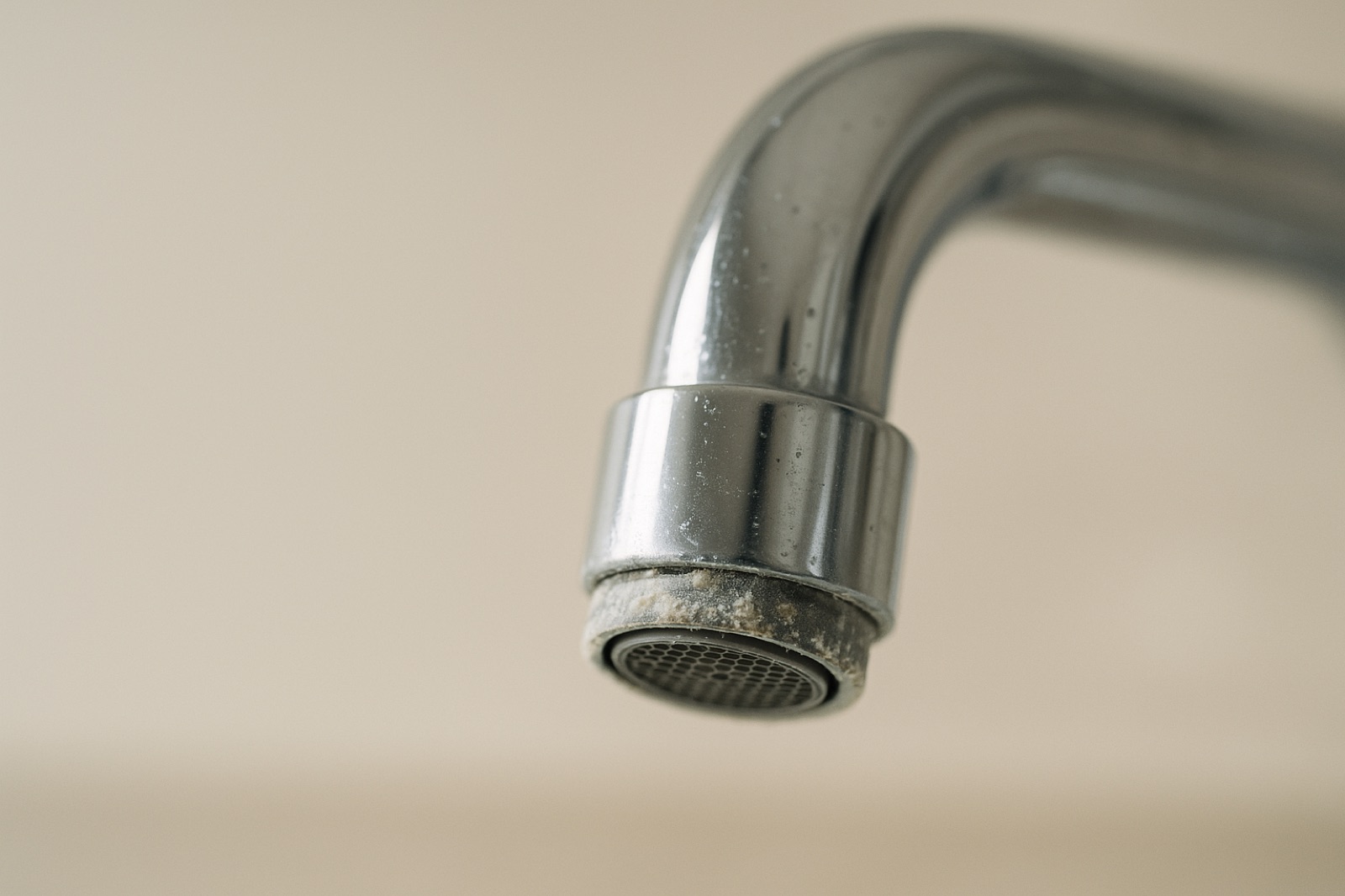
As a homeowner, the quality of your water should be a top priority. Contaminants can enter your home’s water supply in various ways, affecting not only the taste and smell but potentially your health over time. Regular water testing can help you identify and address these issues before they escalate.
Understanding Water Contaminants
Water can be contaminated by a range of pollutants, including heavy metals, bacteria, and chemicals like PFAS (per- and polyfluoroalkyl substances). These contaminants can originate from industrial discharge, agricultural runoff, or even aging infrastructure. For instance, in North Bay, Ontario, a recent report highlights the city’s ongoing struggles with PFAS, referring to them as "forever chemicals" due to their persistence in the environment. These substances have raised significant health concerns, and local residents are looking for answers from their officials Circle of Blue.
Why Testing is Essential
Testing your water regularly is crucial for several reasons. First, it allows you to identify specific contaminants that may be present in your water. Many homeowners may not realize that their water supply can harbor pollutants that are not easily detectable by smell or taste. Second, knowing the quality of your water can guide you in choosing the right filtration system if it is necessary. For example, if testing reveals high levels of lead, you can invest in filters specifically designed to remove that metal.
In Gambia, saltwater intrusion due to climate change is changing the landscape of agriculture and drinking water availability. Communities are facing challenges they never anticipated, and similar threats can emerge where you live as well. Understanding your water quality can help you prepare for or mitigate these challenges Circle of Blue.
How Often Should You Test?
The frequency with which you should test your water depends on several factors, including your location, the source of your water, and any specific concerns you may have. If you draw water from a private well, annual testing is often recommended. Public water systems are generally tested regularly by local authorities, but it’s wise to conduct your own tests, especially if you’ve noticed changes in your water’s appearance or taste.
Choosing a Testing Method
There are two primary ways to test your water: do-it-yourself kits and professional testing services. DIY kits are convenient and can provide quick results, but they may not be as comprehensive as a laboratory analysis. If you choose to use a professional service, ensure that they are accredited to perform water quality testing.
Interpreting Your Results
Once you receive your test results, it’s important to understand what they mean. Look for the levels of different contaminants and compare them to the guidelines set by the Environmental Protection Agency (EPA). If any levels are concerning, consider consulting with a water quality expert to discuss your options.
Taking Action
If your water tests show elevated levels of contaminants, don’t panic. There are effective solutions available. Depending on the specific issues you face, you may need to install a water filtration system, reverse osmosis system, or even a whole-house system. Each solution has its pros and cons, so researching and seeking advice will help you make an informed decision.
In conclusion, regular testing of your home water supply is a proactive approach to ensure the health and safety of your family. With increasing concerns about water quality stemming from both natural and human-made factors, taking the time to test your water is an easy and effective way to protect your home.