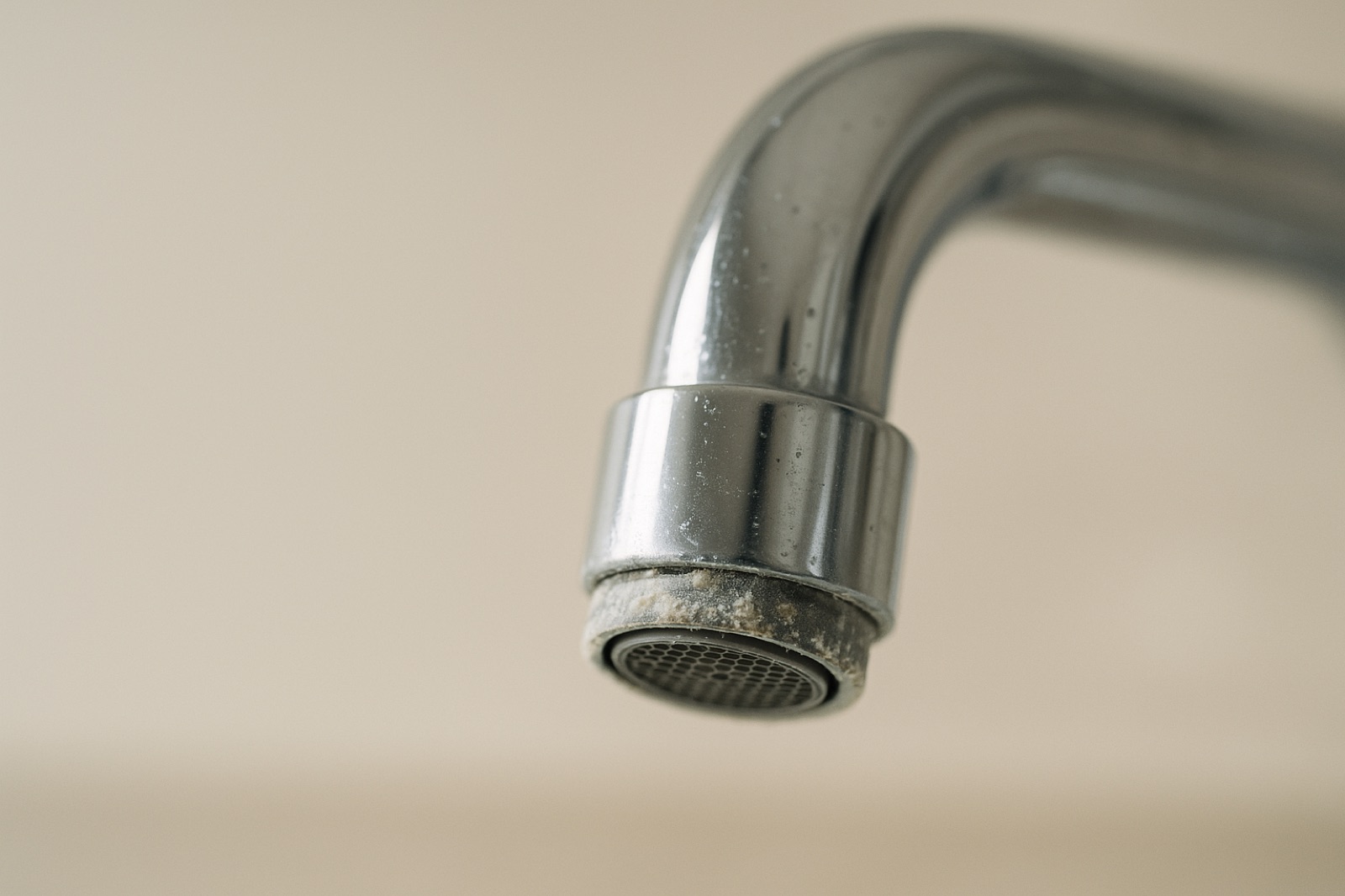
As a homeowner, ensuring that your drinking water is safe and clean is a top priority. With recent news highlighting the presence of contaminants like PFAS and microplastics in our water sources, it is more crucial than ever to understand the role that filtration systems can play in your home.
What Are PFAS and Microplastics?
PFAS, or per- and polyfluoroalkyl substances, are a group of human-made chemicals that have been used in a variety of industries for decades. They are found in products such as non-stick cookware, water-repellent fabrics, and some food packaging. Because of their widespread use and resistance to environmental degradation, PFAS have accumulated in water supplies, leading to growing public concern. A recent article from Water Finance and Management highlights how the Fifth Unregulated Contaminant Monitoring Rule (UCMR 5) revealed PFAS to be widely present in drinking water across the United States.
Similarly, microplastics - tiny plastic particles less than five millimeters in size - have been detected in water sources globally. These particles can originate from a variety of sources, including the breakdown of larger plastic items and the shedding of synthetic fibers from clothing during washing. Their impact on human health and the environment is still being studied, but the presence of microplastics in drinking water raises valid concerns.
The Need for Effective Filtration Systems
Given the presence of these contaminants, many homeowners are exploring filtration options to ensure clean drinking water. While municipal water treatment facilities do address many contaminants, they may not be fully equipped to manage emerging threats like PFAS and microplastics. This is where home filtration systems come into play.
Filtration systems can vary in complexity and effectiveness, with options ranging from simple pitcher filters to whole-house systems. For instance, activated carbon filters are known for their ability to reduce certain PFAS levels and can also improve taste and odor. Reverse osmosis systems are another option, providing a more comprehensive approach to filtering out a wide range of contaminants, including microplastics.
Choosing the Right Filtration System
When selecting a filtration system, it’s essential to consider what contaminants you want to focus on. For those specifically concerned about PFAS and microplastics, look for filters that have been tested for these substances. Additionally, make sure the filter you choose is certified by a recognized testing organization such as NSF International.
It’s also worth noting that filtration systems require regular maintenance. Replacement filters should be changed according to manufacturer recommendations to maintain effectiveness. Regular testing of your water quality will help you determine if your filtration system is performing as expected.
Staying Informed and Proactive
While the regulatory landscape regarding water quality is evolving, particularly in response to contaminants like PFAS, it’s essential to take proactive steps to protect your home’s water supply. Recent funding initiatives, such as the $227 million directed to Tribes and Alaska Native Villages by the EPA to improve drinking water access and quality, highlight the growing awareness and efforts to address water safety. You can read more about this initiative in the article from Water Finance and Management.
As a homeowner, ensuring that your water is free from emerging contaminants is not just about compliance, but about safeguarding your health and that of your family. With the right information and tools, you can make informed decisions about the filtration systems that will best serve your needs.