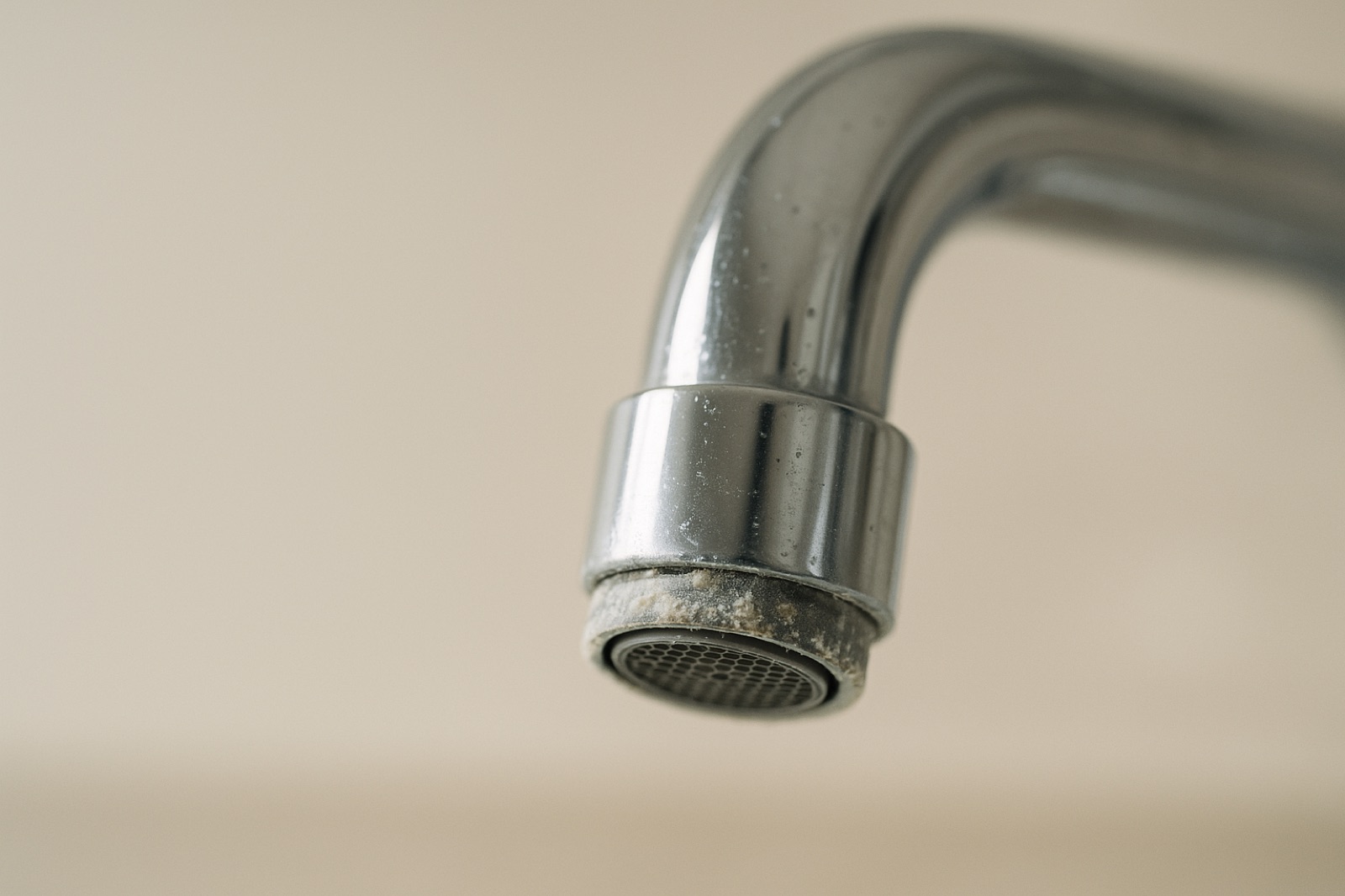
Have you ever noticed soap scum building up in your shower or a chalky residue on your dishes? These are common signs of hard water, which contains high levels of calcium and magnesium. While hard water is not dangerous to your health, it can cause various problems in your home. This is where water softening comes into play. Let's dive into what water softening is, how it works, and why it might be worth considering for your home.
Understanding Water Softening
Water softening is a process that removes minerals like calcium and magnesium from your water supply, replacing them with sodium or potassium ions. This is typically achieved through a water softener system installed at your home. These systems work by using a resin bed that captures hard minerals as water flows through it. The softened water can lead to several benefits, making it a popular choice for homeowners.
Benefits of Softened Water
One of the most significant advantages of softened water is that it can extend the life of your plumbing and appliances. Hard water can lead to scale buildup in pipes, which restricts water flow and may eventually cause costly repairs or replacements. Softened water helps prevent this issue, ensuring your plumbing stays in good condition.
In addition, you might notice that your soap and detergent work better with softened water. When washing dishes, clothes, or your body, softened water produces more lather, leading to a more effective clean. This can also mean that you will use less soap overall, which can save you money in the long run.
Moreover, softened water can improve the feel of your skin and hair. Hard water can leave your skin feeling dry and your hair looking dull. Many homeowners report that switching to softened water has resulted in softer skin and shinier hair.
The Environmental Angle
In light of recent discussions around climate change and resource management, it's also essential to consider how water softeners impact water usage. According to a recent article from The Guardian, access to resources will increasingly affect people’s ability to adapt to climate-related challenges. While water softeners do use salt, many modern systems are designed to be more efficient, minimizing environmental impact while providing cleaner water.
Making the Decision
Before investing in a water softening system, it’s essential to test your water to determine its hardness level. This will help you identify whether a softener is necessary for your home. Many local hardware stores offer water testing kits that are easy to use and inexpensive.
If you find that your water is indeed hard, you have several options for water softeners, including salt-based and salt-free systems. Salt-based systems are more traditional and typically more effective, while salt-free options appeal to those looking for a more eco-friendly solution.
Ultimately, the decision to install a water softener will depend on your specific situation, including your water quality, budget, and personal preferences. However, for many homeowners, the advantages of softened water - ranging from improved plumbing longevity to better skin care - may be worth the investment.
Conclusion
In a world where access to clean water is becoming increasingly crucial, ensuring that your home's water supply is both safe and comfortable should be a priority. Softening your water can be an effective way to not just enhance your home’s water quality but also to make your daily routines more enjoyable. With the right choice, you can enjoy the benefits of softened water while also contributing positively to your home and the environment.