When your water leaves spots on glasses, smells odd, or makes shower cleaning a chore, it is tempting to shop for the biggest treatment system you can afford. Pause before you do. A whole house filter and a water softener perform different jobs, and neither is automatically the right response to every water complaint.
This distinction matters as water concerns receive wider attention. On August 27, 2026, Circle of Blue and True Elements launched a live source of data, information, and context about the Colorado River during Stockholm World Water Week, where roughly 2,000 experts gathered to discuss global water challenges and solutions. The Circle of Blue report on the Colorado River water crisis is a useful reminder that water conditions deserve evidence and context. At home, that same principle applies: identify what is in your water before choosing equipment.
Step 1: Is the problem mainly scale?
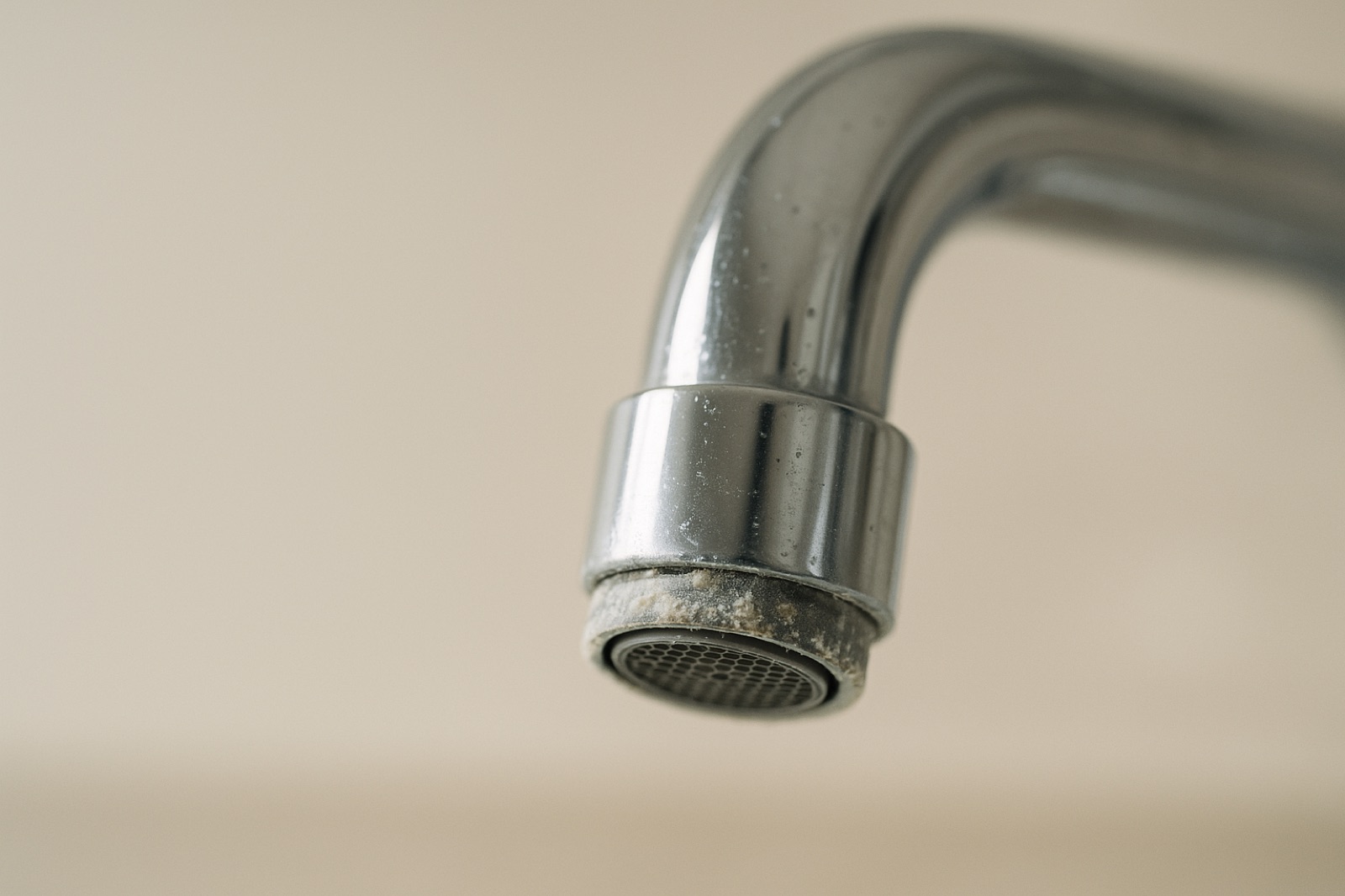
Look for chalky deposits on faucets, cloudy glassware, stiff laundry, or recurring mineral buildup in a kettle, dishwasher, or water heater. These symptoms often point toward hard water, which contains dissolved calcium and magnesium.
A softener is the equipment designed for this job. A conventional ion exchange softener removes hardness minerals and exchanges them for sodium or potassium ions. It can reduce scale and help soap work more effectively. It is not, however, a general contaminant filter. Buying a softener because your water tastes unusual may leave the actual cause untouched.
Do not judge hardness by appearance alone. Clear water can still be hard, while white residue can occasionally come from other dissolved solids. A hardness test reported in grains per gallon or milligrams per liter gives you a usable number for equipment sizing.
Step 2: Is the concern taste, odor, sediment, or a measured contaminant?
If hardness is not the main complaint, move to filtration. Visible particles may call for a sediment filter. Chlorine taste or odor may be addressed with activated carbon. Other confirmed substances can require different media, membrane filtration, or treatment at a particular tap.
The key word is confirmed. A filter should be selected for a stated reduction claim that matches your test result or utility water report. One cartridge cannot reliably address every possible substance. Also check whether certification applies to the complete system, the replacement element, or only a component.
Decide where treatment is needed. A whole house filter treats water as it enters the home and may make sense when a problem affects bathing, laundry, fixtures, and drinking water. A point of use unit treats one location, commonly the kitchen sink, and can be the more focused choice when your priority is water for drinking and cooking.
Step 3: Do you have two separate, verified problems?
You may need both a softener and filtration when testing shows significant hardness and identifies a second issue that the softener is not designed to handle. For example, mineral scale and chlorine taste represent different treatment jobs. Combining equipment is justified when each stage has a clear purpose, not simply because a larger package sounds more complete.
System order matters. Sediment can interfere with equipment, while flow rate and water chemistry can affect performance. Ask the installer to explain what each tank or cartridge treats, why it is placed in that sequence, and what happens if one stage is bypassed.
Step 4: Can you keep up with the maintenance?
A softener usually needs salt or potassium replenishment, periodic cleaning, and correct regeneration settings. Filters require cartridge or media replacement on a schedule influenced by capacity, household use, and incoming water quality. Reverse osmosis systems have multiple replacement intervals and produce a treated stream at a limited rate.
Before buying, price several years of salt, cartridges, media, service, and testing. A neglected system can lose performance while still looking perfectly normal from the outside.
Step 5: Verify before spending
Begin with your utility's current consumer confidence report if you receive municipal water. Add targeted testing for the symptoms you observe, particularly when you use a private well or suspect a plumbing related issue inside the home. Use an appropriately certified laboratory when the result will guide a major purchase.
The Home Water Report logged 2,836 page views, 1,046 visitors, 1,257 search crawls, and 2,934 AI crawls in the supplied reporting. No AI visits, assists, CRM data, or trend series was provided, so those figures do not establish changes in homeowner demand. They do reinforce the value of answering the practical question clearly: filter, softener, or both?
Your final decision should connect every symptom to a test result and every result to a defined equipment role. If that chain is incomplete, take time to verify your home's treatment needs before signing a contract. The best system is not the one with the most stages. It is the simplest maintainable setup that addresses the water you actually have.