When it comes to your home, ensuring the safety and quality of your water supply is crucial. Water testing is a simple yet effective way to uncover potential issues lurking in your tap water. From contaminants to mineral imbalances, understanding the results can empower you as a homeowner to make informed decisions about treatment options.
Why Test Your Water?
Your water comes from various sources, including wells or municipal supplies, and each source has its unique challenges. Common issues include lead from old pipes, chlorine, bacteria, and harmful chemicals. For instance, recent discussions have emerged regarding the risks associated with PEX tubing products. The Plastics Pipe Institute (PPI) issued an advisory that certain PEX tubing may not comply with safety standards, which could impact the quality of the water passing through them. This serves as a reminder that even the materials used in your plumbing can affect water safety Water Finance and Management.
What to Test For
Regular testing can help identify a range of contaminants and issues. Here are some common parameters to consider:
- Microbial Contaminants: Bacteria, viruses, and parasites can enter your water supply, especially if you rely on well water.
- Chemicals: These can include pesticides, heavy metals like lead and arsenic, and industrial chemicals. Testing for PFAS and other emerging contaminants has become particularly important, given the recent focus on water safety.
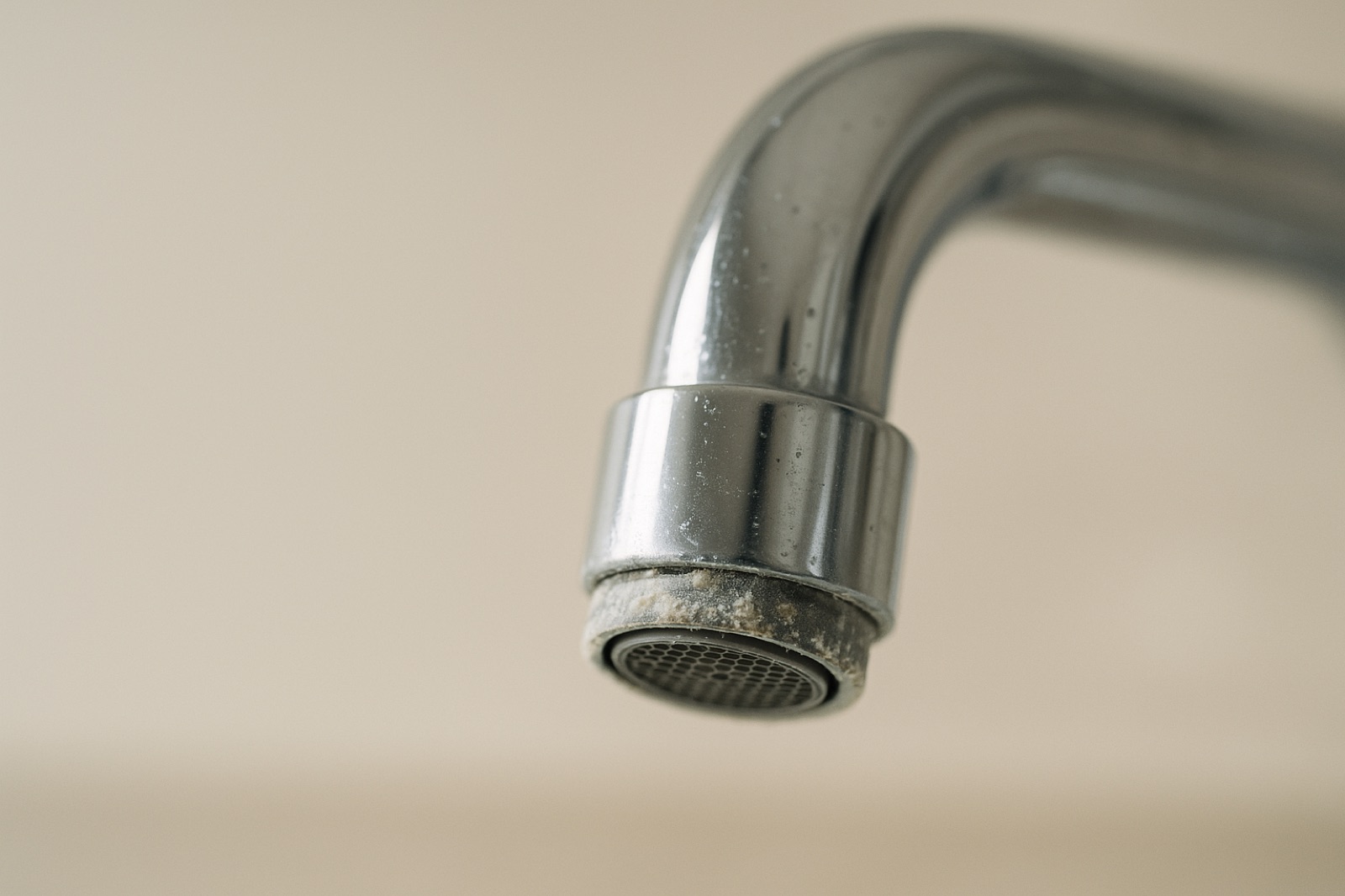
- Hardness: High levels of calcium and magnesium can cause scale buildup in pipes and appliances, impacting efficiency and lifespan.
- pH Levels: The acidity or alkalinity of your water can affect everything from taste to plumbing integrity.
How to Test Your Water
Water testing can be done through various methods. You can purchase a testing kit for home use or send a sample to a certified laboratory for comprehensive analysis. Home testing kits can provide quick results for basic parameters but may lack the depth of laboratory testing.
Timing Your Tests
While it is wise to test your water at least once a year, certain situations may warrant more frequent testing. If you notice changes in taste, color, or smell, it's time to test again. Additionally, if you live near agricultural areas or industrial sites, increased testing may be necessary due to potential runoff.
Understanding Test Results
Once you receive your results, understanding them is key. Most home testing kits come with user-friendly instructions, but if you have laboratory results, consider consulting local health departments or environmental agencies to interpret complex findings. They can provide resources and guidance on the necessary steps to take if contaminants are present.
Addressing Water Quality Issues
If your testing reveals concerning results, don't panic. Depending on the issues identified, treatment options range from simple solutions like carbon filters for chlorine to whole-house filtration systems for more serious contaminants. Research your options and consult with professionals to find the best fit for your home.
Stay Informed and Safe
Your water quality is ultimately in your hands. Staying proactive about testing can safeguard your family from potential health risks and ensure that your home remains a safe haven. As environmental challenges grow, such as those outlined in recent discussions about climate change's impact on water supplies like