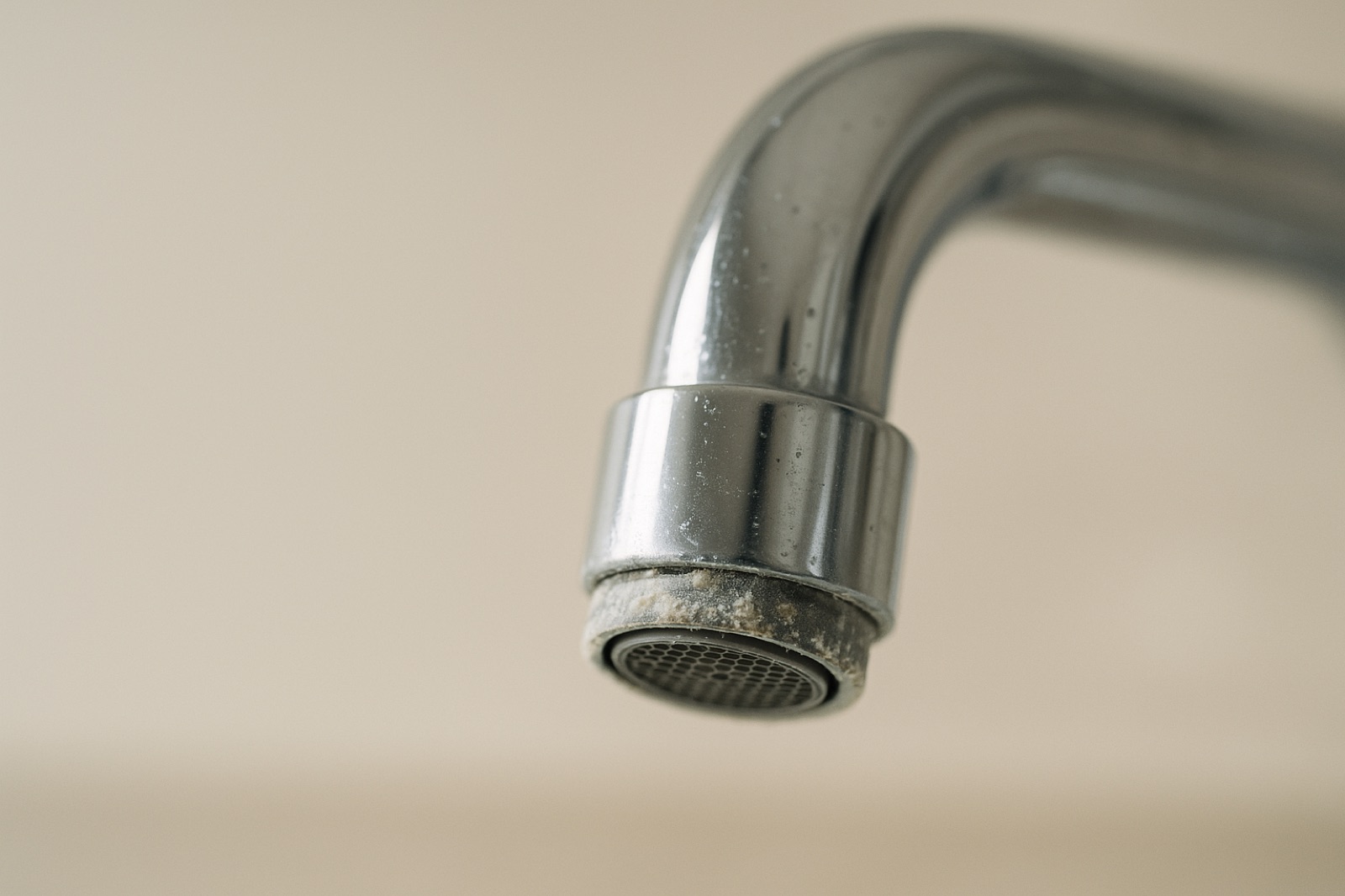
As a homeowner, you might take the quality of your water for granted. After all, when you turn on the tap, you expect fresh and clean water to flow out. However, ensuring that your home’s water is safe and contaminant-free requires a proactive approach, starting with regular water testing.
Why Test Your Water?
Water testing is crucial because it helps you understand what is in your water. With the increasing concerns surrounding contaminants like PFAS and microplastics, being informed about your water quality is more important than ever. The article titled “PFAS and Microplastics: Are Patterns Repeating?” from Water Finance and Management highlights how PFAS have reshaped the drinking water regulatory landscape, indicating that these substances are widely present in drinking water systems.
Testing can uncover not only harmful chemicals but also natural minerals that can affect the taste and safety of your water. For example, high levels of lead or bacteria can pose immediate health risks, while hard water can lead to issues like mineral buildup in plumbing and appliances.
When to Test Your Water
It is wise to test your water in the following situations:
- After moving into a new home
- If your water has an unusual taste, smell, or color
- After any major plumbing work
- At least once a year for well water
- As recommended based on your area’s water quality reports
How to Test Your Water
There are several ways to test your water, each with its advantages:
- DIY Test Kits: Many local hardware stores offer affordable water testing kits that can analyze for common contaminants like lead, nitrate, and bacteria. These kits are user-friendly and provide quick results.
- Professional Water Testing: If you want a thorough analysis, consider hiring a professional service. They can test for a wider range of contaminants and provide detailed reports on your water quality.
- Municipal Water Quality Reports: If you receive water from a municipal source, your local utility company is required to provide annual water quality reports, which can give you valuable information about the contaminants in your water.
Understanding Your Results
Once you receive your testing results, it can be overwhelming to interpret them. Generally, results will list the contaminants found in your water along with their concentrations. Familiarize yourself with the EPA’s drinking water standards to understand what levels are safe.
If you discover contaminants above the recommended levels, do not panic. There are various solutions available, including filtration systems tailored to specific contaminants. For instance, activated carbon filters can effectively reduce certain chemical compounds, while reverse osmosis systems can remove a broader range of impurities.
Staying Informed
Water quality is a dynamic issue influenced by numerous factors, including environmental changes and updates in regulations. To stay informed, consider joining local community forums or subscribing to updates from your water utility. It is also beneficial to stay aware of any changes in government regulations regarding water quality and safety.
Ultimately, being proactive about testing your water can help you maintain a safe and healthy home environment. While it might seem like a small task, regular water testing empowers you to make informed decisions about how to best care for your home and your family.