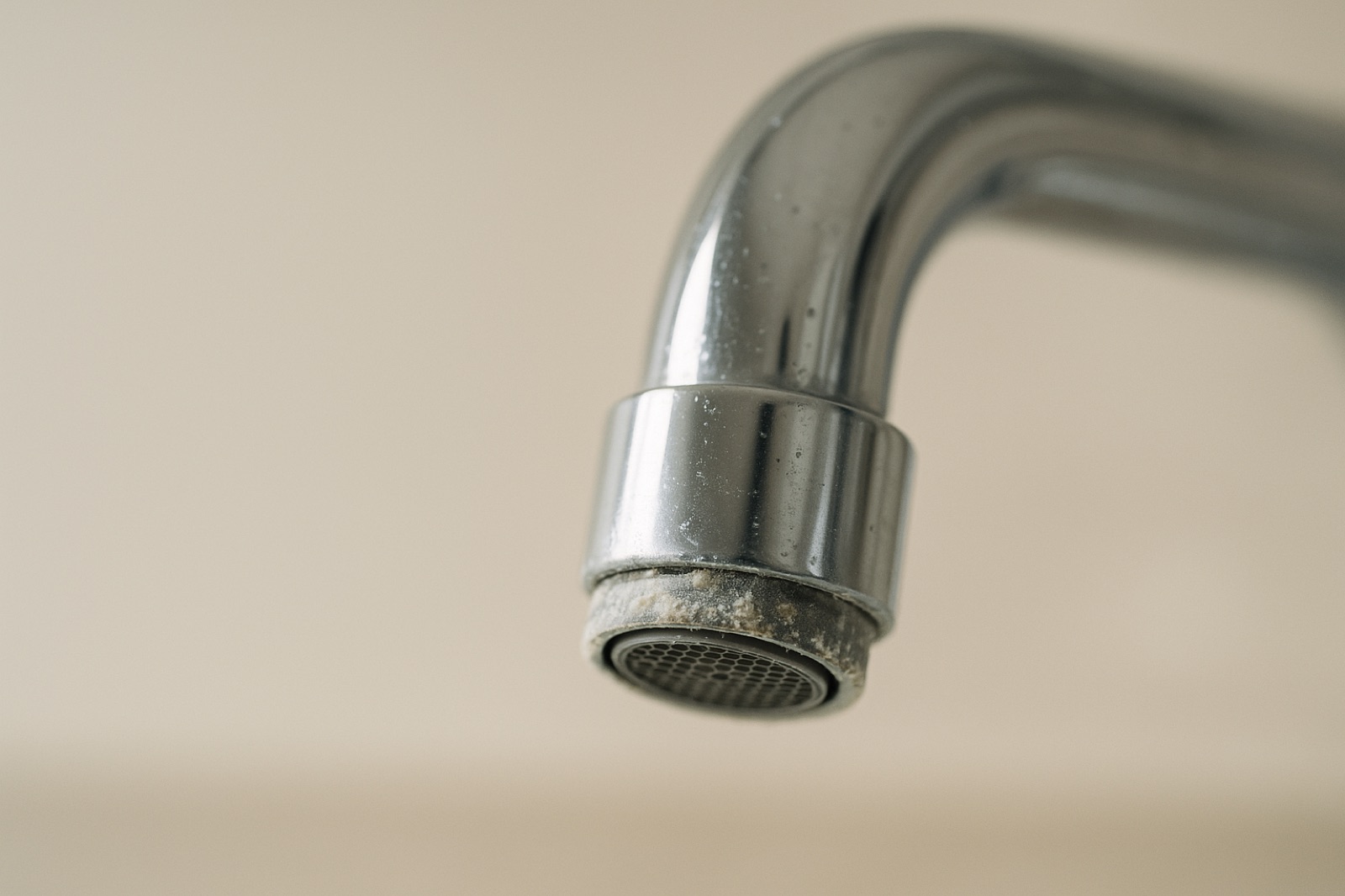
As a homeowner, you may not think about your water supply very often. However, ensuring that your water is clean and safe to drink is crucial. Water testing is the best way to confirm the quality of your water, especially in light of recent reports on contaminants like PFAS and microplastics. Understanding how to test your water and what to look for can help you make informed decisions about your water treatment options.
Why Test Your Water?
Water quality can change due to various factors, including aging pipes, environmental pollution, or local agricultural practices. For instance, an article from Water Finance and Management highlights that PFAS are widely present in drinking water across the United States, raising alarms about its safety. Testing your water can identify potential contaminants, helping you to take appropriate action.
What Should You Test For?
While there are many potential contaminants, here are a few key areas to focus on:
- Heavy Metals: Lead and copper can leach from pipes into your water supply. Regular testing can help catch these issues early.
- Pesticides and Herbicides: If you live near agricultural areas, these chemicals may end up in your water supply.
- Microorganisms: Bacteria, viruses, and parasites can contaminate your water, particularly if you rely on a well.
- PFAS: These chemicals, often referred to as "forever chemicals," are persistent in the environment and have been linked to various health concerns.
How to Test Your Water
Testing your water is straightforward, and you have a few options:
- Home Testing Kits: These kits are a convenient way to test for common contaminants. They typically include test strips and instructions for analyzing results. Just follow the directions carefully to ensure accurate results.
- Laboratory Testing: For more comprehensive testing, consider sending a water sample to a certified laboratory. This method provides a detailed analysis of what’s in your water.
- Local Water Quality Reports: If you receive water from a municipal supply, your water provider is required to issue an annual water quality report, often called a Consumer Confidence Report (CCR). This report outlines contaminants and their levels in your water.
Understanding Your Results
Once you receive your test results, you may be confronted with numbers and terms that are unfamiliar. Here are a few tips:
- Know the Standards: The Environmental Protection Agency (EPA) sets standards for various contaminants. Familiarize yourself with these to understand whether your water meets safety guidelines.
- Consult with Experts: If your results show concerning levels of contaminants, don’t hesitate to reach out to water treatment professionals for guidance on next steps.
What to Do If Your Water Is Contaminated
If your test reveals unacceptable levels of contaminants, it is essential to address the issue promptly:
- Consider Filtration Options: Depending on the contaminant, various home filtration systems can effectively remove or reduce harmful substances.
- Contact Local Authorities: If you suspect widespread contamination, alert your local health department or water authority.
- Stay Informed: Keep an eye on local news about water quality issues. For example, Circle of Blue reported on how climate change is affecting access to clean water in Gambia, emphasizing the global nature of water challenges.
Regular Testing Is Key
Testing your water should not be a one-time event. Regular testing will help you stay informed about your water quality and ensure your family’s safety. It is a small effort for peace of mind and safety, making it an important part of responsible homeownership.