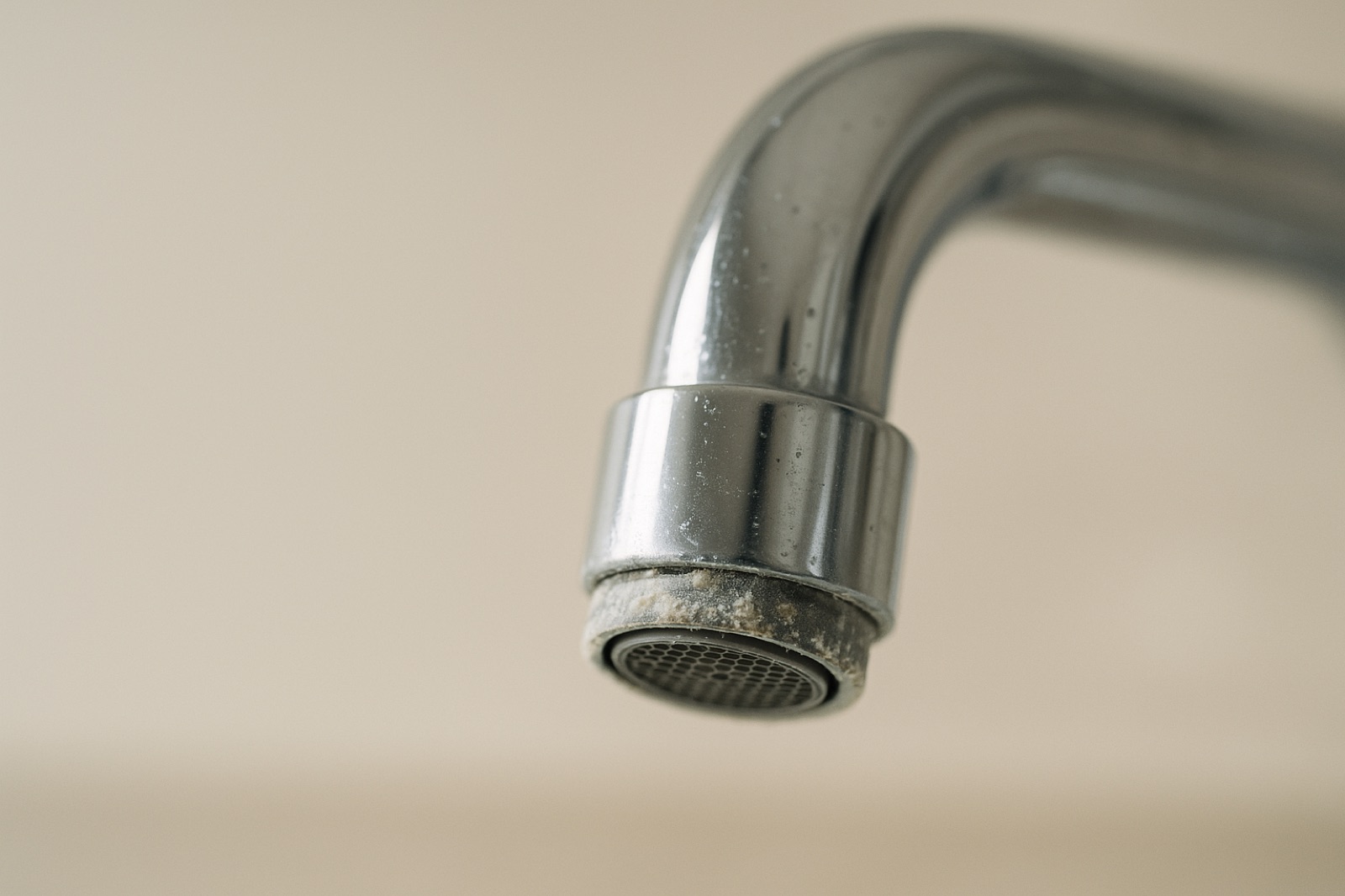
As climate change intensifies, the quality of our water supply faces unprecedented challenges. Extreme weather events, pollution, and changes in land use all contribute to a growing concern about the safety of our drinking water. Homeowners are increasingly looking to filtration systems as a practical solution to ensure their families have access to clean, safe water.
The Impact of Climate Change on Water Quality
Climate change is not just about rising temperatures; it also affects our water sources. For example, in Gambia, communities are experiencing saltwater intrusion due to climate change, which severely impacts their agriculture and drinking water supplies. As noted in a recent article by Circle of Blue, this is a critical issue that highlights how vulnerable our water resources can be in the face of environmental change.
In the United States, extreme heat is becoming more common, leading to higher water demand and stressing existing water sources. As reported by The Guardian, "access to air conditioning" will increasingly become a divide. This added pressure on water systems can compromise water quality, making home filtration a crucial consideration for homeowners.
Why You Need a Home Filtration System
With the potential for pollutants to enter your drinking water, having a reliable filtration system can provide peace of mind. Here are several reasons why investing in a home water filtration system is more relevant than ever:
- Contaminant Removal: Many filtration systems can effectively remove common contaminants such as lead, chlorine, and even certain microorganisms, ensuring that your drinking water is safe.
- Taste and Odor Improvement: In addition to safety, a good filtration system can enhance the taste and smell of your water, making it more enjoyable to drink.
- Cost Efficiency: While there is an upfront investment in a filtration system, it can save you money over time compared to buying bottled water.
- Environmental Impact: Filtering your water at home reduces the reliance on plastic bottles, contributing to less environmental waste.
Choosing the Right Filtration System
When considering a filtration system, it is important to assess your specific needs. Some systems are designed for whole-house filtration, while others focus on point-of-use systems, such as under-sink or countertop filters. Here are some key points to consider:
- Water Testing: Before selecting a system, conduct a water test to identify any contaminants present. This will help you choose a filtration system that targets your specific concerns.
- Filtration Type: Research different types of filters, such as activated carbon, reverse osmosis, and UV systems. Each has its advantages depending on the contaminants you wish to remove.
- Maintenance and Replacement: Understand the maintenance requirements and costs associated with replacing filters. Regular maintenance ensures optimal performance.
Staying Ahead of Water Quality Issues
As climate change continues to affect water availability and quality, proactive measures like installing a filtration system can make a significant difference. Staying informed about local water quality and being prepared to act can help you protect your family's health.
In a world where water sources are increasingly at risk, investing in a home water filtration system is not just a matter of convenience - it is a necessary step towards safeguarding your household against the unpredictability of climate impacts. Ensure that your water remains a safe and refreshing resource by making this essential investment today.