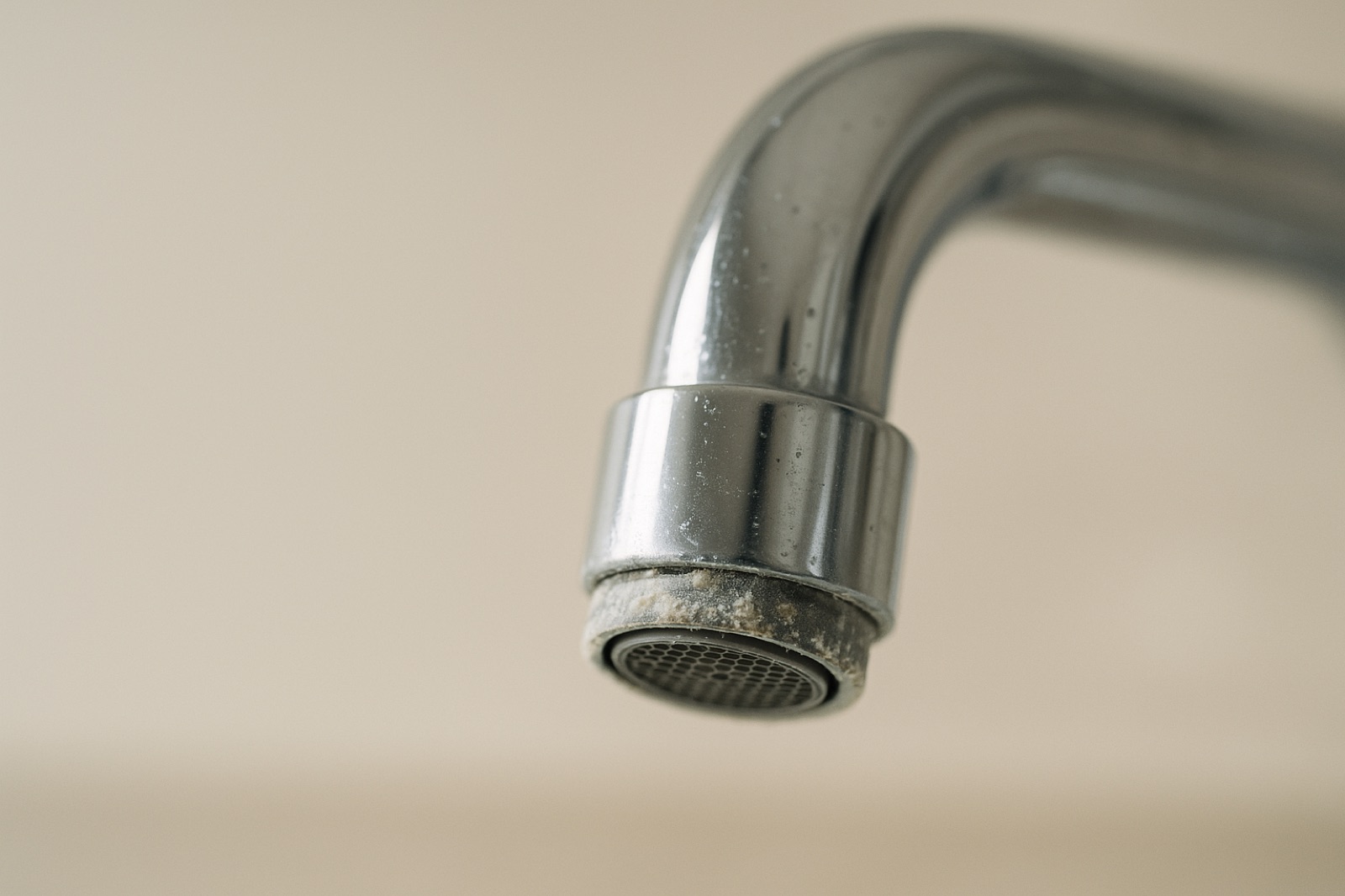
A cloudy shower door and crusty faucet may make a water softener seem like the obvious next purchase. Sometimes it is. But those clues can also come from ordinary water droplets, worn fixtures, excess detergent, or a treatment system that is no longer working properly.
The distinction matters because a softener solves a specific problem: dissolved hardness minerals, primarily calcium and magnesium. It is not a general purpose purifier. Before you pay for new equipment, give the symptoms, test results, and existing plumbing a chance to tell one consistent story.
That homeowner-first approach feels especially relevant after The Guardian's Victoria Bekiempis reported on September 8, 2026, that a federal appellate court decided the Constitution does not guarantee a right to clean water. The Mississippi clean water court decision concerns claims about tainted water, not household hardness. Still, it underscores a practical point: understanding what comes from your tap begins with identifying the particular issue rather than treating every water concern as interchangeable.
1. Start with scale, not spots alone
Hard water commonly leaves a firm, chalky deposit around faucet aerators, showerheads, kettles, and other places where water is heated or evaporates. That buildup is a stronger clue than a few spots on glassware.
Spots alone are easy to misread. Almost any water can leave residue when droplets dry, including softened water containing dissolved sodium and other minerals. Try cleaning one small area with an appropriate household descaler, then watch how quickly a firm deposit returns. Fast, repeated buildup strengthens the case for testing hardness.
2. Compare soap performance in several rooms
Hardness minerals react with soap, so you may notice weak lather, soap curd, dingy laundry, or the urge to use more product. Look for a pattern at the kitchen sink, shower, and washing machine. One poorly performing dispenser or one soap formula is weak evidence. Similar behavior throughout the house is more useful.
Remember that detergents are formulated differently from traditional soap. Water temperature, product concentration, and washer settings can also change the result. A homemade shake test can demonstrate that two water samples behave differently, but it cannot reliably size a softener.
3. Put a number on hardness
Hardness is often reported as grains per gallon, abbreviated gpg, or milligrams per liter as calcium carbonate, abbreviated mg/L. One gpg equals about 17.1 mg/L. If a report says 171 mg/L, for example, that is about 10 gpg.
A strip or drop-count kit can provide a useful screening result when it is fresh, stored correctly, and used exactly as directed. For a purchase decision, a professionally collected in-home test or certified laboratory analysis can give you greater confidence. Lakeview-area homeowners can ask a qualified provider to confirm hardness and size the right system, especially when household water use or plumbing layout complicates the choice.
4. Check for false positives
Do not test immediately after cleaning with mineral removers or handling chemicals near the sample container. Use cold water, remove the faucet aerator if practical, and let the tap run long enough to obtain a representative sample. Follow the kit's timing and color-reading instructions closely.
If you already have a softener, test both before and after it. A hard result at an untreated outdoor faucet may be completely normal. A hard result at an indoor fixture expected to receive softened water could point to an empty brine tank, salt bridge, bypass valve position, exhausted resin, control problem, or plumbing connection that excludes that fixture.
5. Separate repair from replacement
When an existing unit once delivered soft water, begin with its basic operating condition. Confirm that it has power, the clock and hardness setting are reasonable, the bypass is in service position, and salt is available beneath any crusted layer. Compare inlet and outlet test results after a regeneration cycle.
If the inlet is hard and the outlet remains equally hard, service may be justified. If the outlet tests soft but spotting continues, replacing the softener is unlikely to cure the complaint. Cleaning technique, dissolved solids, or another water characteristic may be responsible.
6. Match the treatment to the measured problem
Choose softening when measured hardness aligns with recurring scale and soap problems across the home. Consider repair when an existing softener has stopped changing the hardness reading. Consider filtration when testing identifies sediment, chlorine-related taste or odor, iron, or another specific target that the selected filter is designed to reduce. Some homes need more than one treatment stage, but each stage should have a defined job.
The Home Water Report recorded 3,210 page views, 1,068 visitors, 1,258 search crawls, and 2,876 AI crawls in the available reporting snapshot. Those totals show discovery activity, but the feed lacks query-level evidence and conversion data. They cannot tell us which symptom brought an individual homeowner here or whether treatment was ultimately needed. Your own decision deserves better evidence: repeatable symptoms, a trustworthy hardness number, and a clear explanation of what any proposed equipment will fix.