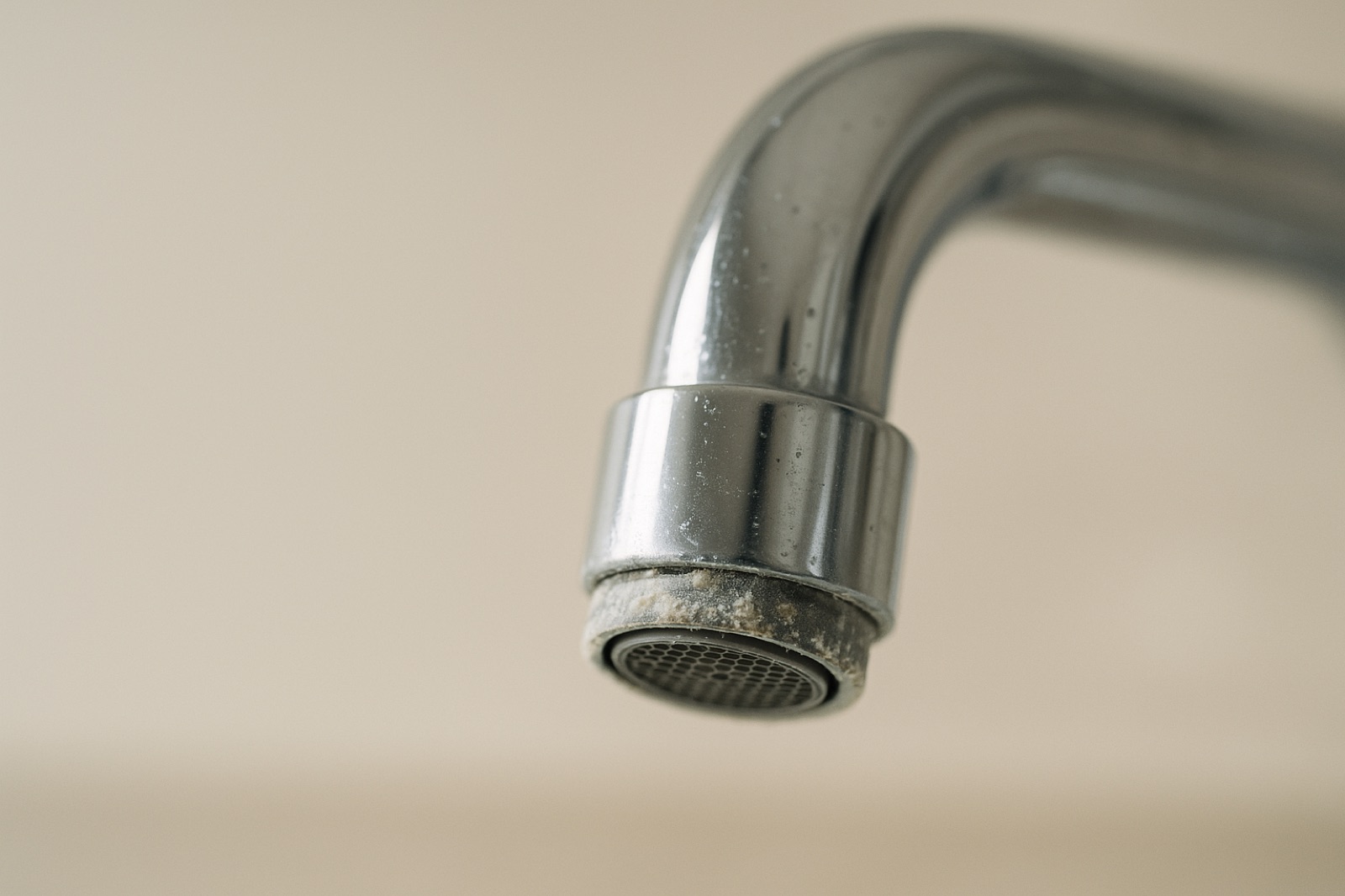
In recent years, issues surrounding water quality have become more pronounced, prompting homeowners to reevaluate the safety of their tap water. From the dangers of lead pipes to the concerns about emerging contaminants like PFAS, the need for effective water filtration systems is clearer than ever.
Why Water Filtration Matters
Water is a vital resource, and its quality directly impacts our health and daily lives. According to reports, many communities are grappling with water management challenges, including the presence of pollutants stemming from industrial activities and aging infrastructure. This is particularly relevant in places like Indiana, where the AI boom is prolonging the fossil fuel era, raising concerns about hidden costs for water quality.
Emerging Contaminants
Contaminants such as microplastics and PFAS have gained significant attention. These substances can find their way into drinking water supplies, sometimes through industrial discharges and runoff. With studies indicating that these pollutants are often not removed by traditional water treatment methods, having a robust filtration system is an effective way to ensure that your water is safe for consumption.
Current Trends in Water Quality Management
Across the country, many communities are adopting innovative approaches to managing water resources. For instance, some local managers are moving toward partnerships rather than conflict over water rights, as highlighted in the article Forget Western Water War: Local Managers Choose Partnership. This shift can lead to enhanced water quality management and a more sustainable approach to the challenges posed by climate change.
Choosing the Right Filtration System
As a homeowner, selecting the right filtration system for your needs can seem daunting. There are various types of filters available, each designed to remove specific contaminants. Here are some common options:
- Activated Carbon Filters: These are effective at removing chlorine, volatile organic compounds, and some heavy metals.
- Reverse Osmosis Systems: Ideal for removing a wide range of contaminants, including PFAS, lead, and nitrates.
- UV Filters: These systems are effective at killing bacteria and viruses but do not remove chemical contaminants.
- Whole House Filtration Systems: If you want to ensure that all the water in your home is filtered, consider a whole-house system that can remove contaminants at the point of entry.
Choosing the right system depends on your specific water quality concerns, which can be identified through water testing. Understanding what’s in your water is the first step toward making an informed decision.
Why Now is the Time to Act
As highlighted by the challenges faced by Native American tribes in securing their rights to Colorado River water, the importance of water management and quality cannot be overstated. The ongoing negotiations and disputes surrounding water rights underscore the urgency of addressing water quality issues. By investing in filtration systems now, you can ensure that your family's drinking water is not compromised by the uncertainties in water management.
Your Next Steps
Before purchasing a filtration system, consider conducting a water quality test to identify specific contaminants. Many local health departments offer testing services, or you can purchase home testing kits. Once you know what you’re dealing with, research filtration options that best address your needs and budget.
As the conversation around water quality continues to evolve, being proactive about filtration can protect your home and health. Investing in a water filtration system is not just a trend; it is a necessary step toward ensuring safe drinking water for you and your family.