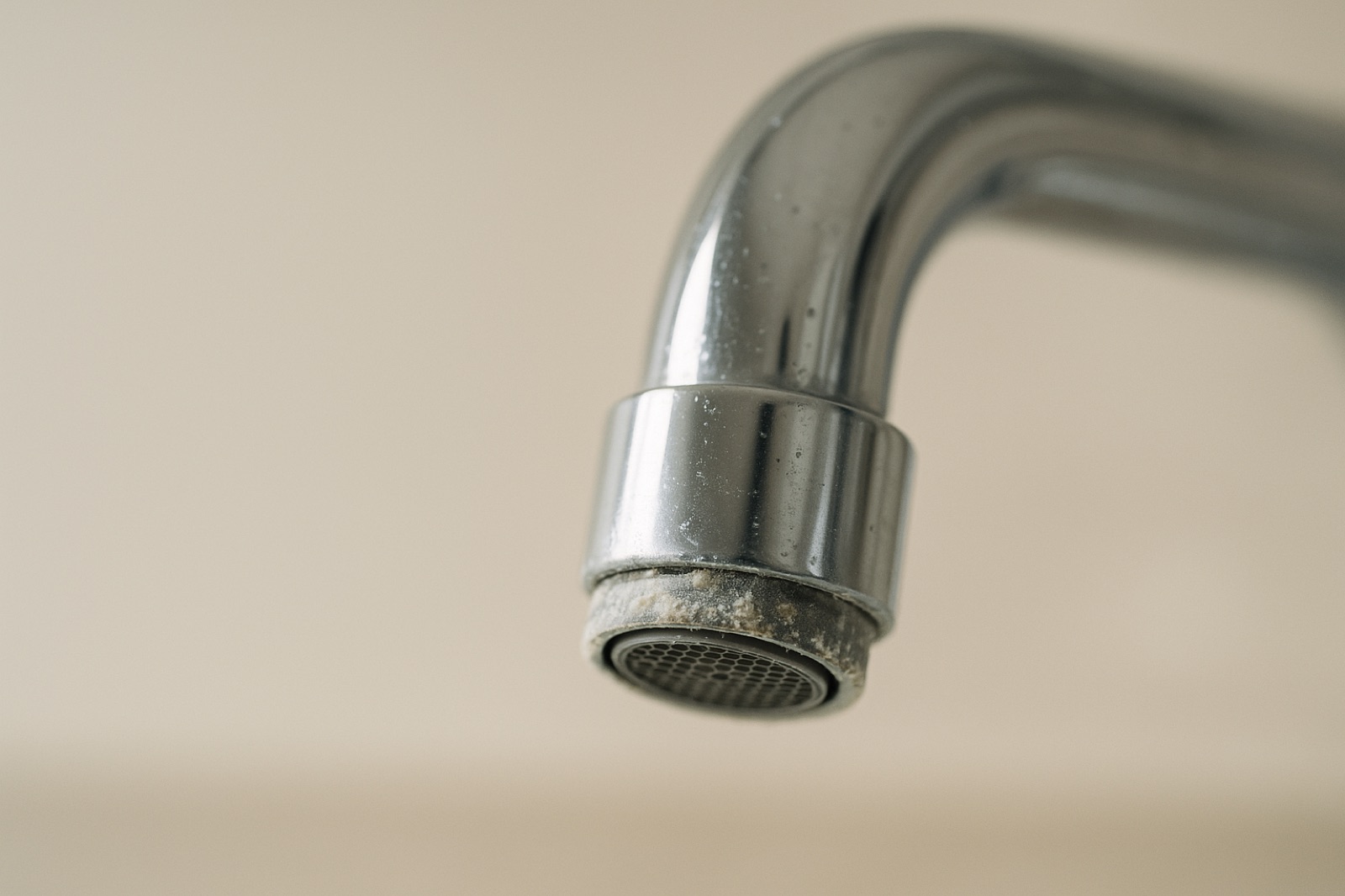
Climate change is not just a distant problem; it is affecting our daily lives in various ways, including the quality of the water we use at home. With increasingly severe weather patterns, homeowners must be proactive in ensuring their water remains safe and clean. This is where home water testing comes into play.
The Climate Connection
As seen in various reports, climate change is exacerbating numerous environmental issues, including water quality. For example, a report from Circle of Blue highlights the serious issue of saltwater intrusion in Gambia, where rising sea levels are threatening freshwater supplies. This is a reality that could resonate with many homeowners across the globe. As natural disasters become more frequent and weather patterns change, the potential for contaminated water supplies increases.
What Is Home Water Testing?
Home water testing involves checking your water for various contaminants, including bacteria, heavy metals, and other harmful substances. These tests can be performed using DIY kits available at local hardware stores or through professional services that provide comprehensive analysis.
Why Should You Test Your Water?
Testing your water is crucial for several reasons:
- Identifying Contaminants: Home water tests can identify harmful substances like lead, nitrates, or bacteria that could pose health risks.
- Monitoring Changes: Regular testing allows homeowners to monitor for changes in water quality over time, making it easier to spot potential problems early.
- Peace of Mind: Knowing that your water is safe helps you feel secure and confident about your home environment.
How to Test Your Water
Testing your water is straightforward. Here are the basic steps:
- Choose a Test Kit: Select a test kit that meets your needs. If you are concerned about specific contaminants, ensure the kit tests for those.
- Follow Instructions: Each kit comes with instructions. Follow them carefully to ensure accurate results.
- Analyze Results: After completing the test, compare your results to the guidelines provided. If you notice any concerning levels, consider contacting local health or environmental agencies.
The Need for Ongoing Testing
With ongoing climate changes, one-time testing may not be sufficient. As noted in an article from The Guardian, extreme weather events can create disparities in access to resources, including clean water. Regular testing can help you stay ahead of potential issues that may arise from such events.
Conclusion
As climate change progresses, ensuring the safety of your home's water supply is more critical than ever. Regular home water testing empowers you to take charge of the quality of your water, protects your family’s health, and gives you peace of mind. In a rapidly changing world, being proactive about water quality is not just a wise choice - it is essential.