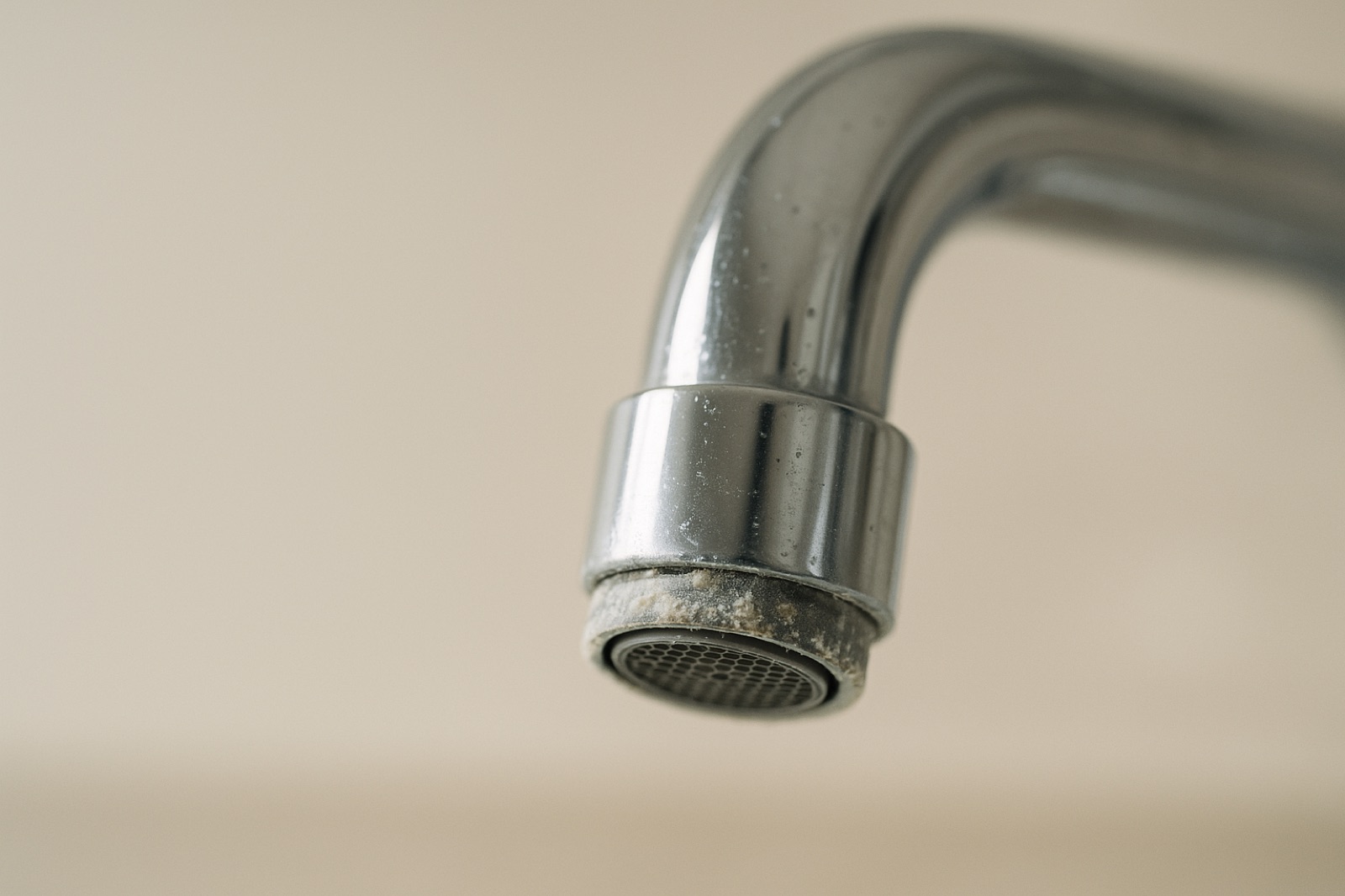
A white crust on the faucet points you toward one solution. A chlorine-like taste points you toward another. Rust-colored stains may require a different test entirely. If you treat every water complaint as the same problem, you can spend thousands of dollars and still dislike what comes from the tap.
This distinction matters as water concerns enter the news. The Guardian, in a September 25, 2026 story by Carey Gillam, reported on undisclosed safety data and US lawsuits involving paraquat. Syngenta denies withholding relevant data from the EPA, according to the story summary. That report may reasonably prompt questions about water, especially in agricultural areas, but a national chemical story does not reveal what is in your particular supply. Your household decision still begins with local information and an appropriate water test.
Start with the clue, not the equipment
Before requesting estimates, write down what you notice, where it appears, and whether it affects hot water, cold water, or both. This short record helps separate mineral problems from aesthetic concerns and possible contaminants.
Scale: Chalky deposits on shower glass, faucets, kettles, or heating elements commonly justify a hardness test. A conventional ion-exchange softener is designed to reduce hardness minerals. A drinking-water filter is not a substitute for softening throughout the house.
Taste: An unpleasant taste can have several causes, so avoid choosing a filter solely from a product label. Compare cold water from more than one faucet. If only one tap tastes unusual, inspect that fixture and its aerator before treating the entire home.
Odor: Note whether the smell is present at every tap and whether it appears only in hot water. That difference can help you investigate the water heater, plumbing, or incoming supply. Run the water into a clean glass and move away from the drain before smelling it, since drain odors are easily mistaken for water odors.
Staining: Record the color. Orange or brown, blue-green, black, and pink residues do not all have the same cause. Photograph the stain before cleaning it, then request testing that matches the observation rather than buying a generic cartridge.
Contaminant concern: If your concern comes from a utility notice, a nearby land use, flooding, a private well condition, or a current news report, identify the specific substance before selecting treatment. Different contaminants require different laboratory methods and treatment technologies.
The softener-versus-filter matrix
| Your main evidence | Likely starting point | Confirm before buying |
|---|---|---|
| Measured hardness plus widespread scale | Whole-house softener | Hardness level, household water use, drainage, and available installation space |
| Taste or odor at every cold tap | Filtration evaluation | Water source, disinfectant information, and targeted test results |
| Concern limited to drinking and cooking water | Point-of-use filter evaluation | The named contaminant and the filter's certified reduction claim |
| Hardness plus a separate taste or contaminant issue | Softener and filter may both be needed | Separate test evidence for each problem and the correct equipment order |
| One stained or smelly fixture | Fixture or plumbing inspection | Whether the symptom occurs elsewhere before considering whole-house equipment |
The key is that softening and filtration perform different jobs. A softener addresses hardness. A filter must be selected for the particular substance or sensory problem you want reduced. Some homes need both, but two devices should be supported by two clearly identified needs.
Use a four-sample testing checklist
When practical, collect observations or samples from four useful points: the incoming water before existing treatment, a cold kitchen tap, a hot-water tap, and the outlet after any current treatment device. Follow the laboratory's collection instructions, because the correct container, flushing period, and handling can vary by test.
Your checklist should also include your water source, any utility water-quality report or notice, the age and maintenance history of existing equipment, and a list of the exact symptoms you want fixed. Ask for numerical results and units, not simply a pass-or-fail description. For a private well or a specific contamination concern, use a qualified laboratory and choose the test panel around the actual risk.
If you would rather have someone connect the household clues to the testing plan, Jones Air & Water offer free in-home water tests. Treat that visit as an assessment: ask what was measured, what was not measured, and which result supports each proposed device.
The demand for a clear decision process is visible in The Home Water Report's supplied audience figures: 3,226 page views, 1,068 visitors, 1,265 search crawls, and 2,891 AI crawls. No assist or CRM data was supplied, so those numbers show attention, not purchases or treatment outcomes.
Your best buying question is therefore not, “Which system is best?” It is, “What evidence shows that this system solves my specific problem?” When every proposed component has a symptom, a test result, and a defined job, your water treatment plan becomes much easier to evaluate.