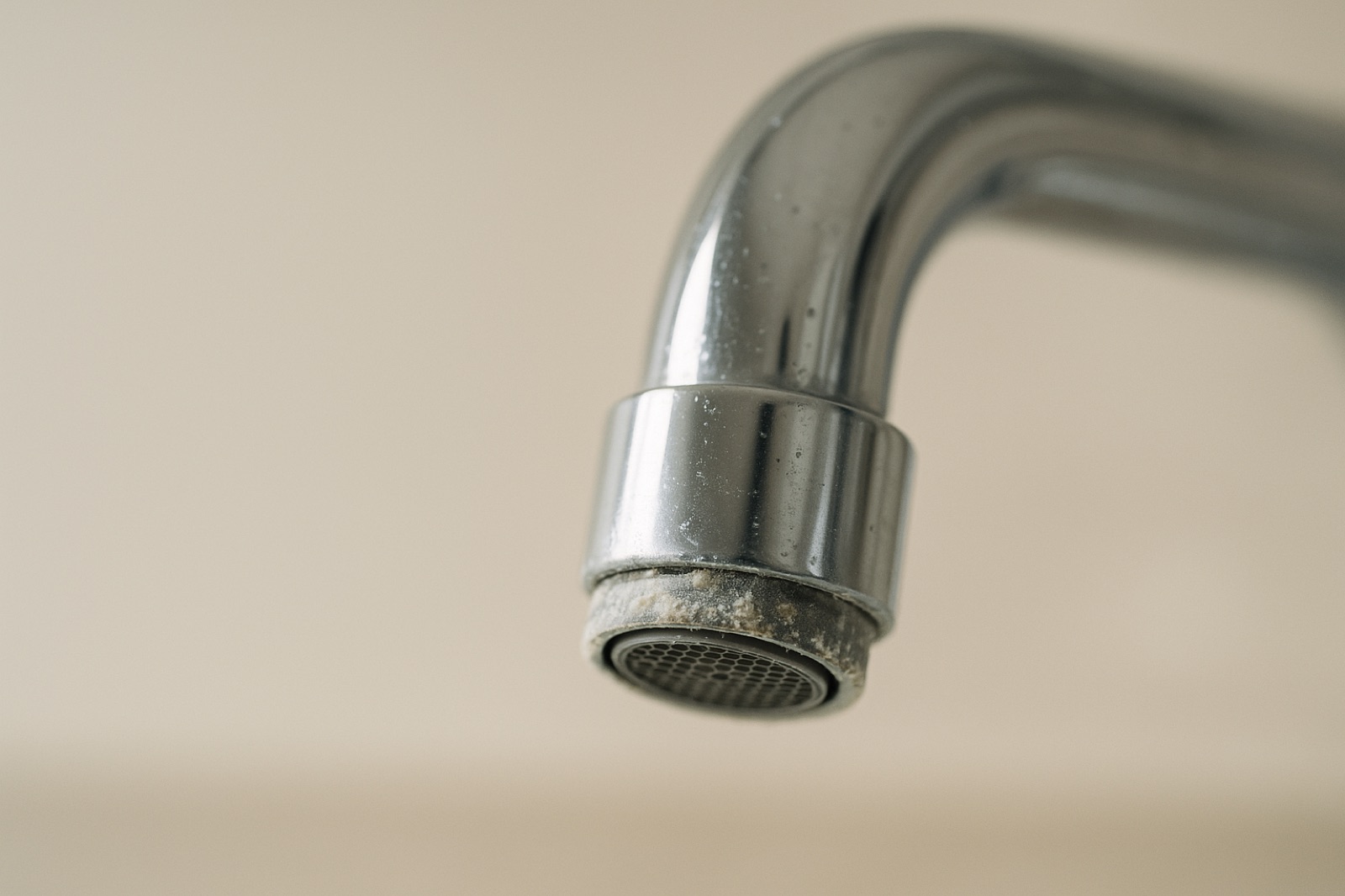
As a homeowner, you might take your tap water for granted. You turn on the faucet, and clean water flows out. But with rising concerns about water quality, especially in light of recent environmental changes, there has never been a better time to consider the state of your home’s water. With reports of pollution and environmental shifts making headlines, it’s essential to understand why regular water testing should be a priority for every homeowner.
The Impact of Environmental Changes on Water Quality
Recent news stories highlight the growing threats to water quality. For example, an article from Circle of Blue discusses how the AI boom in Indiana is prolonging the reliance on fossil fuels, which can have serious hidden costs for water resources. Water sources can become contaminated due to increased industrial activity, runoff, and other environmental factors, making it crucial for homeowners to stay informed about their water quality.
What Water Testing Reveals
Regular water testing can reveal a lot about your water quality. It can detect contaminants such as lead, nitrates, bacteria, and even chemicals originating from agricultural runoff or industrial operations. Home testing kits are widely available and can help you understand the condition of your water. Some kits test for a range of contaminants, while others focus on specific issues like hardness or pH levels. Knowing this information can empower you to take action if needed.
How to Test Your Water
Testing your water is a straightforward process. Here’s how you can get started:
- Purchase a Water Testing Kit: Look for kits that are certified and able to test for the specific contaminants of concern in your area.
- Follow Instructions Carefully: Each kit comes with detailed instructions; following them ensures accurate results.
- Send Samples to a Laboratory: For more extensive testing, some homeowners choose to send water samples to a lab for a comprehensive analysis.
- Consider Professional Help: If you’re unsure about performing tests, hiring a local water quality expert can provide peace of mind.
By investing a small amount of time and money into water testing, you gain valuable insights into your home’s water supply.
Responding to Test Results
Once you receive your test results, it’s essential to know how to interpret them and what actions to take. If your water is contaminated, your next steps may include:
- Consulting Local Authorities: Contact your local water authority for guidance on how to address contaminants found in your water.
- Installing Filtration Systems: Depending on the results, you might consider installing a filtration system that targets specific issues, such as lead or chlorine.
- Staying Informed: Keep up with local news about water quality in your area. For instance, a recent article in The Guardian discussed how environmental changes, like heat domes, can impact everything from communication signals to water supply, highlighting the interconnectedness of various environmental issues.
The results of water testing can lead to actionable steps that benefit not just your household, but also the broader community.
Final Thoughts
In a changing environment where water quality is increasingly at risk, proactive testing offers homeowners a way to safeguard their health and well-being. Being informed about what’s in your water can help you make better decisions, ensuring that the water flowing through your taps is safe for your family. Don’t wait for a significant issue to arise - take initiative and test your water today. It’s a small step that can lead to significant peace of mind.