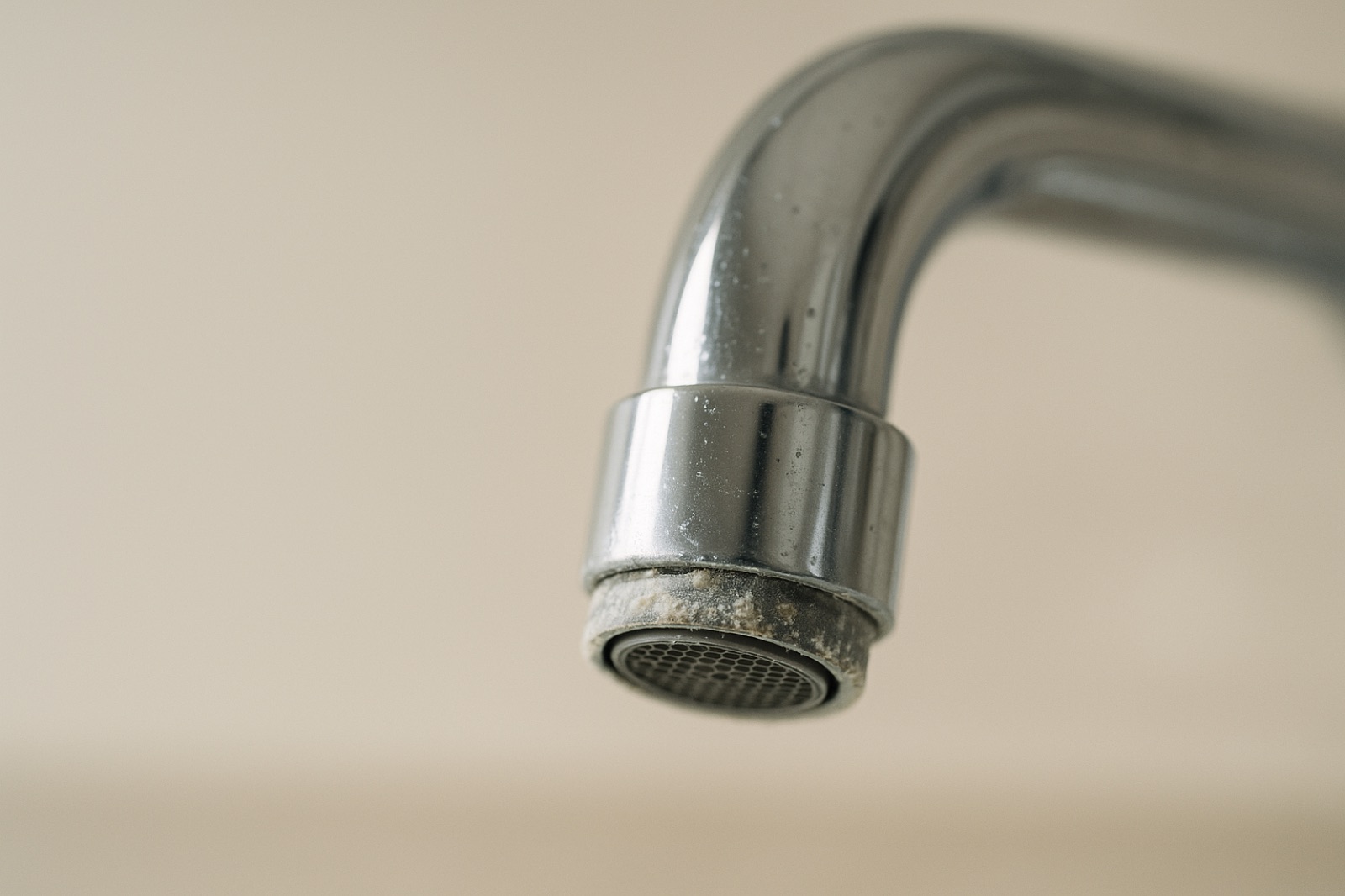
You pour a glass and it tastes like wet soil, a pond, or a damp basement. Before you reach for a pitcher, a faucet attachment, or an under-sink system, treat the taste as a question about where your water came from and what happened to it on the way to your tap.
Q: Does an earthy taste mean my water is unsafe?
Usually it means something has changed, not that you have an emergency. Earthy and musty tastes are commonly linked to naturally occurring compounds produced by algae and other organisms in surface water. They are mostly a matter of comfort, but they can still make a household stop drinking tap water, which is a real problem in its own right. If you have a specific health question, talk with your doctor, and use your local water provider for information about your system.
Q: Where should I start?
Start with your utility's annual water quality report, which most providers publish for customers each year. Look at the source. A lake or reservoir intake is more exposed to changing conditions than a deep groundwater well, so the report will tell you a lot about what your taste complaint could be connected to. Then call the utility and ask two plain questions: has the treatment changed recently, and do they expect the taste to come from the source water?
A recent Circle of Blue story asked why "the green slime keeps coming back" in Vermont's Lake Champlain, even after nearly a billion dollars in cleanup spending. The lesson for a homeowner is that a lake headline and your kitchen tap are two different records. The headline tells you the source is under stress. Your tap needs its own answer.
Q: Should I buy a filter right away?
Not until you know what you are filtering. Activated carbon filters are often used for taste and odor complaints, but the product sheet matters more than the packaging. Look for a certification that matches the exact claim you need, such as taste and odor reduction, and confirm that the claim applies to the model you are considering. A filter that works well on chlorine taste may do little for a different compound, and a filter that is undersized for your flow will not perform as the box suggests.
Q: What if I use a private well?
A utility report will not cover your water, so the answer has to come from testing your own tap. A certified lab can run the analysis you need, and some providers also offer free in-home water tests from Jones Air & Water if you would rather have someone visit. Ask for results that list the specific substances tested, with the reporting limits, so you can compare them with what the lab recommends for your concern.
Q: What should I write down before anyone comes out?
Keep a short log. Note the date, what you noticed, and where it happened, such as the cold tap, the hot tap, or one room in the house. Add whether the taste seems to show up after heavy rain, a warm spell, or a change in the way the water runs. This is not a formal test, but it gives the utility or the lab something concrete to work with, and it saves you from guessing when you explain the problem.
The taste is useful information. Read it against the source report, ask the right questions, and let a test result decide whether a filter is the right fix. That order will save you money and give you a clearer answer about the water coming out of your tap.