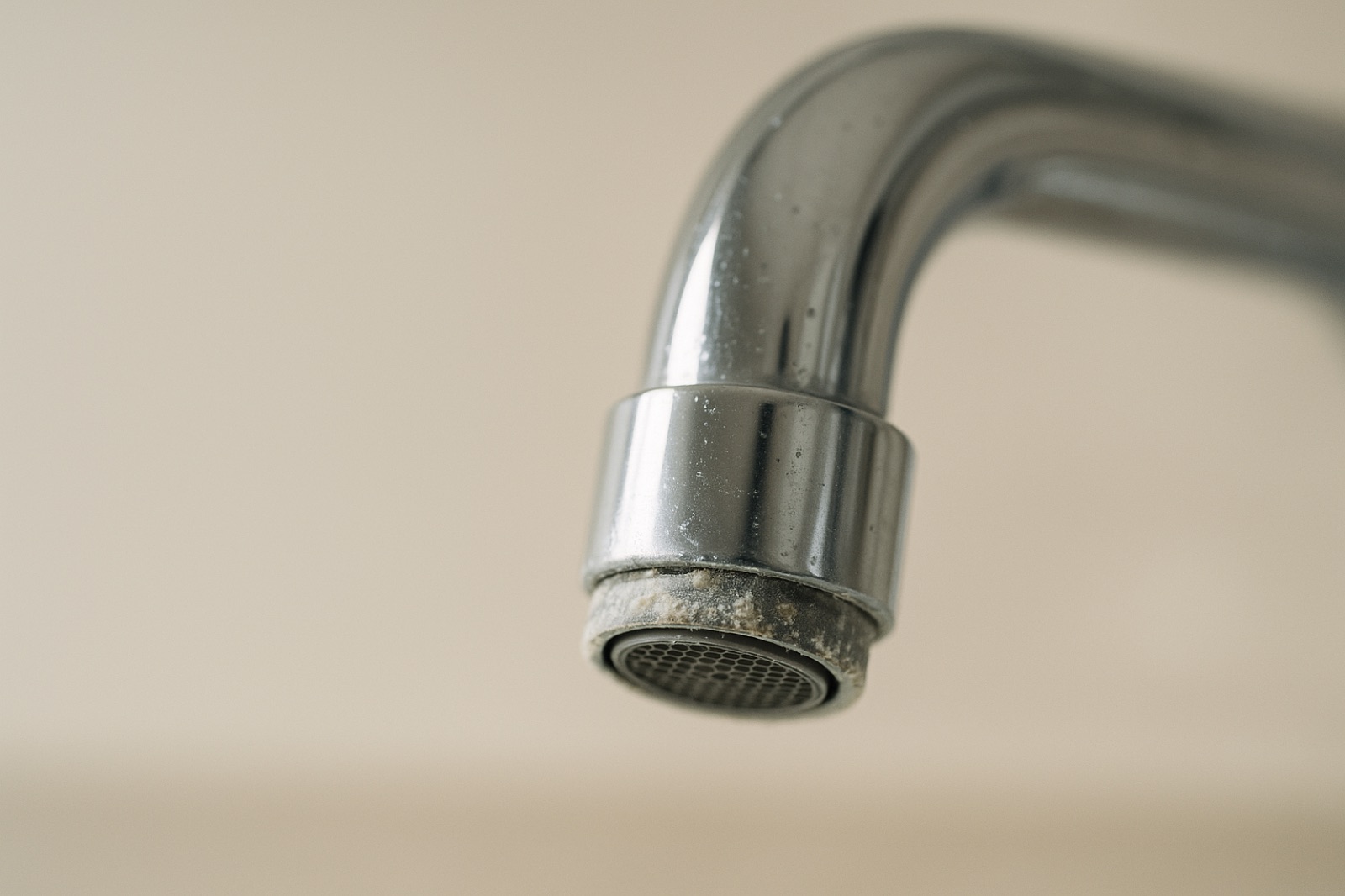
A drought on the other side of the world can look far removed from a kitchen tap, but the basic physics is the same everywhere. When rain stops, the water that reaches a home changes. The Guardian's reporting on drought and migration in Guatemala describes small farm plots in eastern Guatemala as "bone dry," and that image is a useful reminder of how quickly a dry season can reshape daily life. You do not need a farm to feel the effect. If your home runs on a private well or a shallow source, a long dry stretch can change what comes out of the tap even when the pipes never change.
Why a Dry Year Changes the Numbers
Less rain means less water seeping through the ground to refill wells and aquifers. Water levels can fall, and what remains may carry a higher share of what was already dissolved in it. Hardness, sulfate, and sodium can become more concentrated in some supplies. Nitrate in shallow wells can also rise when fresh recharge is scarce, because there is less water to dilute what enters from the surface. Not every well responds the same way. Depth, local geology, and how close the well sits to fields, livestock areas, or a septic system all matter. The goal is not to predict your well from a headline. The goal is to stop assuming that last year's report still describes today's water.
A Testing Plan for a Dry Spell
Start with the report you already have. Find your last lab sheet and note its date, the parameters tested, and the results for hardness, nitrate, and total dissolved solids if those were included. Then schedule a retest for the dry period itself, not after the rain returns. A sample taken during low water levels shows you the conditions you are actually living with. Compare the new result with the old one line by line, and note any parameter that moved more than you expected.
Use a state-certified or accredited lab, and ask it to test the parameters you care about most. Collect the sample exactly as the lab instructs, use the bottle it supplies, and get the sample to the lab inside the window it specifies. If you run a water softener, record hardness before and after the dry stretch. A change in incoming hardness can change how much salt the unit uses and how often it regenerates, so the numbers help you adjust settings instead of guessing.
Watch the Equipment Too
Drought can stress hardware as well as chemistry. A pump that runs longer to reach water, or a pressure tank that cycles more often, may wear faster than usual. Listen and look for changes: longer run times, sputtering at the faucet, or sediment that shows up when levels drop. Write these observations on a simple calendar next to your test dates so you can see whether a change in the water and a change in the equipment line up.
If a dry year leaves you with a repair bill, read your paperwork before you assume you are covered. Check whether your coverage for home systems and appliances addresses water-related failures, what proof the company requires, and how long you have to file a claim. Ask whether the policy excludes gradual wear, since drought stress often shows up slowly rather than all at once. Ten minutes with the policy now can prevent a frustrating argument later.
When to Call a Professional
Call a licensed well contractor if the water level drops far enough to affect pumping, if the pump starts and stops in short bursts, or if sediment or pressure changes persist. If a test result exceeds a drinking water standard, follow the instructions from your local health department or state agency before deciding how to use the water. Keep copies of every lab report so you can show a contractor or agency the trend rather than a single number.
The Guardian's story is a reminder that water scarcity shapes lives well beyond any single house. For a homeowner, the lesson is practical: a dry year is a reason to test on purpose, not a reason to trust the last report.