Here is the secret nobody puts on the box: the best drinking water system is not the most powerful one. It is the one that fits your kitchen, your habits, and your patience for filter changes, because a neglected filter helps nobody. So before you compare systems against each other, compare each one against your actual life. That is the whole trick, and this guide walks you through it.
The four families, honestly described
Pitchers are the gateway. They cost the least, need zero installation, and politely improve taste and odor, mostly by filtering chlorine character out with activated carbon. The trade-offs are speed, capacity, and discipline: they filter slowly, hold a few glasses at a time, and only work as well as your willingness to replace cartridges on schedule. Renters and one-person households get the most out of them.
Faucet-mount filters move the carbon onto the tap itself. You get filtered water on demand with a flip of a diverter, which is genuinely convenient for cooking. They can slow your faucet, they do not fit every fixture, and the cartridges are small, so busy kitchens change them often.
Under-sink carbon systems are the quiet workhorses. The filter lives out of sight, feeds a dedicated tap or your cold line, and uses larger cartridges that last longer and flow faster than anything counter-top. If your water test says taste, odor, and chlorine are your only complaints, an under-sink carbon setup is often the sweet spot of cost, convenience, and results.
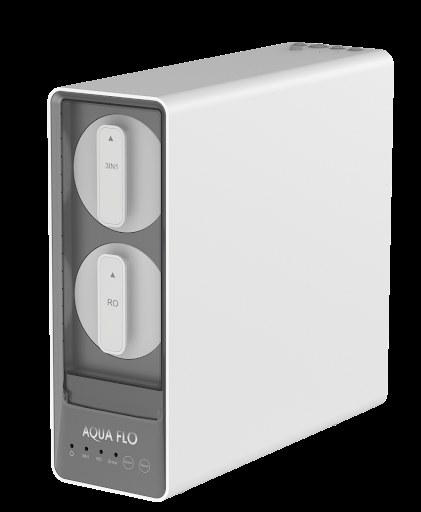
Reverse osmosis is the deep clean of the group. By pushing water through a semipermeable membrane, RO reduces dissolved solids that carbon alone does not touch, which is why it is the usual answer when a test turns up things you actually want gone rather than just tasted. The honest fine print: it needs cabinet space for a tank, it sends some water to the drain while it works, filters and membranes have their own schedule, and some folks add a remineralization stage because very pure water tastes flat to them.
Let the test pick the system
Notice the pattern: every recommendation above starts with what your water test found. Taste and smell complaints point to carbon in one of its forms. Measurable dissolved stuff points toward reverse osmosis. Visible particles call for a sediment prefilter before anything fancy. If you have not tested yet, start at our Testing desk, because buying treatment before testing is how kitchens end up with the wrong gadget under the sink.
Match the system to your house
- Renting? Favor pitchers or faucet mounts you can take with you
- Tight cabinet? Measure before falling for a tanked RO unit
- Big cooking household? Prioritize flow rate and capacity
- Hate maintenance? Choose fewer, larger, longer-lived cartridges
- Test results first: treat what is actually there
Maintenance is the whole ballgame
Whatever you choose, put the filter schedule on your calendar the day it is installed. A carbon cartridge long past its service life can stop helping, and no system forgives being forgotten. This is also a fair way to choose between families: if you know yourself to be a set-and-forget person, pick the system with the fewest, longest-interval changes, even if it costs more up front.
When to bring in a pro
Confident DIYers can install most under-sink systems in an afternoon. But if drilling a faucet hole through a countertop makes you sweat, or your test results deserve interpretation before you commit, a specialist visit is money well spent. If you are in the St. Louis area, regional specialists like Reverse Osmosis STL focus on exactly these drinking water decisions and can look at your kitchen before you buy anything.
Filtered water you drink every day beats perfect water you gave up on. Pick the system that fits the life you actually live, and let it quietly do its job. ●