Most carbon filter cartridges come with a date printed on the box, and most of us treat that date as the rule. A cartridge goes into the housing under the sink, the calendar moves forward, and a reminder shows up somewhere in the back of your mind. That habit is understandable, but it measures the wrong thing. A carbon cartridge wears out with the water that passes through it, not with the days that pass over it. A filter in a busy kitchen can be spent long before its date, while one in a guest bathroom may hold up well past it. Both situations are common, and a calendar alone cannot tell them apart.
The Circle of Blue report on the Lake Champlain cleanup is a useful reminder of why this matters. Its headline, "the Green Slime Keeps Coming Back", describes a problem that returns on its own schedule rather than one that ends when a project is funded. A source that shifts over seasons and years can mean the water arriving at your house shifts too, even when the pipes and the filter have not changed. You cannot see that kind of change from a news story, so your filter maintenance has to be tied to what actually flows through your own system.
Find the Rated Capacity
Start with the cartridge itself. Carbon products are typically rated for a volume of water, often stated in gallons, and many also list the contaminants they are designed to reduce. Read the box, the cartridge label, or the manual that came with your system. If you cannot find a gallon rating, contact the seller or manufacturer before you assume the calendar date is the only guide. A product with no stated capacity is harder to plan around, which makes that detail a fair question to ask before you buy.
Track Gallons With the Meter
Your household water meter, or the usage page on your utility's website if one is available, gives you the number you need. On the day you install a new cartridge, write down the meter reading. Then check it on the same day each week. Subtract the install reading from the current one, and you know how much water has passed through the filter since it went in. If the filter serves only the kitchen tap, the meter counts the whole house, so estimate the share your kitchen uses and track that estimate alongside the total. Keep the running figure on a piece of tape on the housing or in a notebook near the sink. Once it approaches the rated gallons, plan the change instead of waiting for a symptom to force your hand.
Watch for Breakthrough Signs
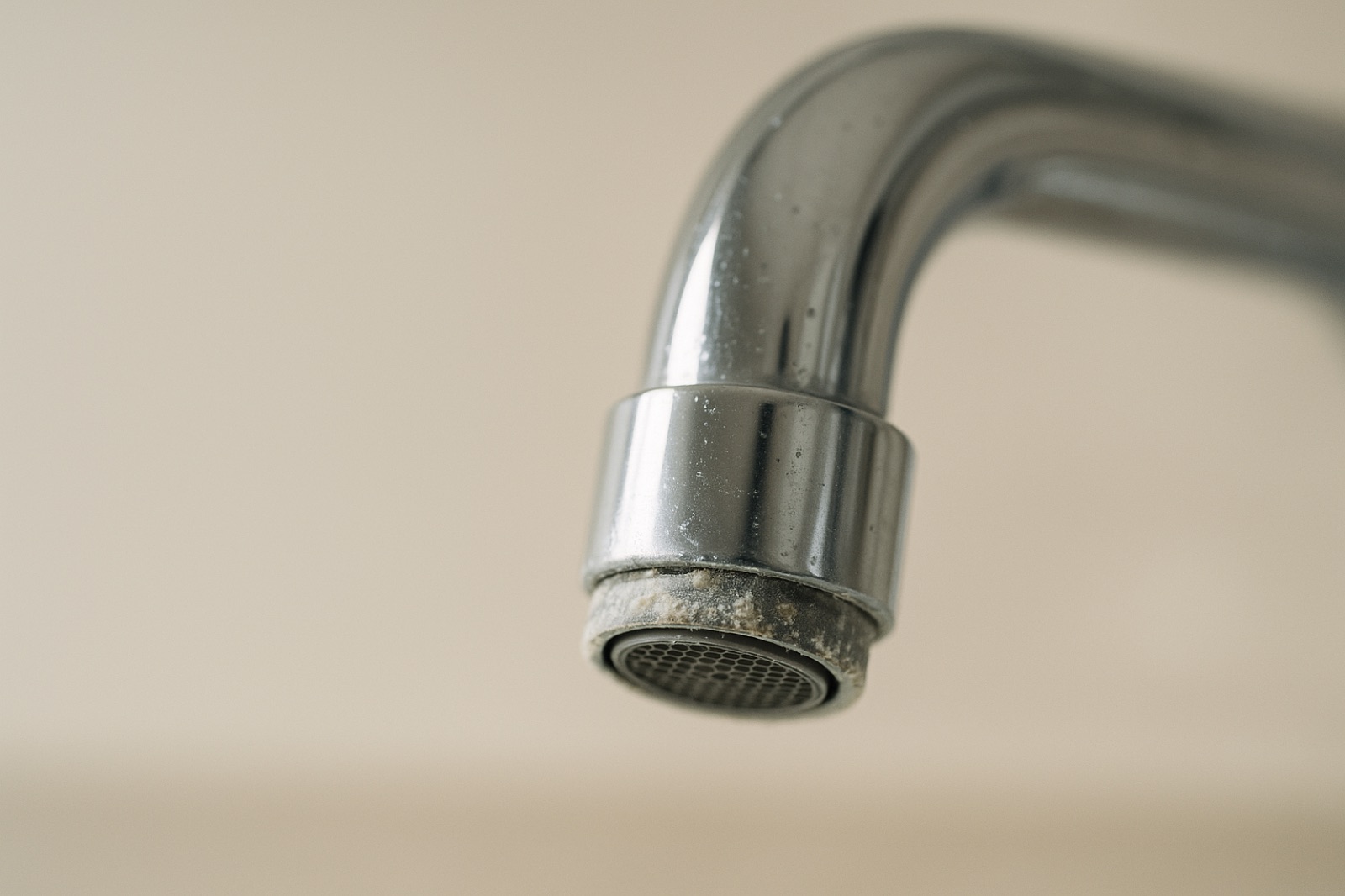
Gallons are the planning tool, but your senses are a useful check. Carbon often does its most visible work on taste and odor, so a return of a chlorine smell, a change in the flavor of your coffee, or a new earthy note at the tap can signal that the cartridge is nearing the end of its useful life. Those same signs can also come from changes in the source water, from a dirty aerator, or from a problem in the plumbing, so do not jump to a conclusion. Change the cartridge, note the date and gallon count, and see whether the complaint goes away. If it persists with fresh carbon, the cause may be upstream of the filter, and that is a question for testing, not for a bigger filter.
Keep a Simple Record
Three numbers are enough to start: the install date, the meter reading at install, and the rated gallons. Add a column for the change date and a short note about anything you noticed during that cycle, such as a taste change or a slower flow. After two or three cycles, you will know how your household actually uses the filter, which is far more reliable than any generic schedule. If you run more than one filter in the same system, label each housing so you do not mix up their counts. The record also helps when you call a service technician or compare notes with a neighbor, because you can show exactly how long a cartridge lasted and under what conditions.
Why the Calendar Still Helps
A date is still worth having as a backstop. A cartridge in a house you visit only occasionally can degrade while passing very little water, and some manufacturers recommend a time limit alongside the volume rating for exactly this reason. Use whichever limit comes first: the gallon rating or the calendar. The goal is simple. Change the cartridge before it stops doing its job, and keep a record that tells you when that point is approaching.