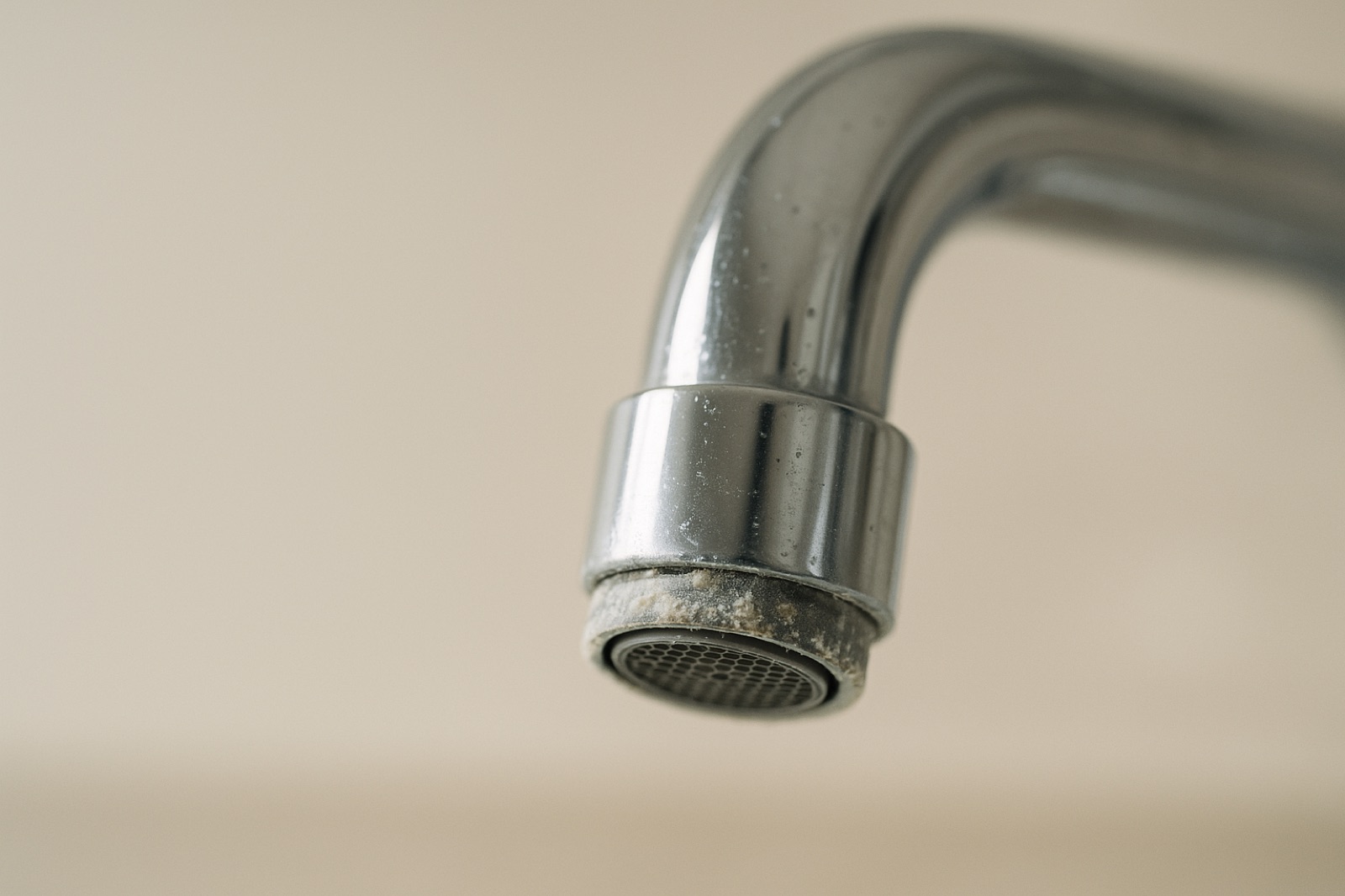
As homeowners, we all want clean, safe water to drink, cook, and clean with. Yet, many of us are unaware of the potential contaminants lurking in our water supply. With increasing concerns over water quality due to climate change and environmental factors, it’s essential to understand how to improve your home’s water filtration system to ensure your family’s health and well-being.
Understanding the Importance of Filtration
Water filtration is vital not only for taste and odor but also for removing harmful substances. Issues like lead, chlorine, sediment, and even emerging contaminants like PFAS (per- and polyfluoroalkyl substances) can negatively impact your health. A report from Circle of Blue highlights how communities like Bantang Killing in Gambia are facing challenges from saltwater intrusion, a problem exacerbated by climate change. This situation reminds us that water quality is not just a local issue - it’s a global one.
Choosing the Right Filtration System
Knowing the specific contaminants in your water is the first step in selecting the appropriate filtration system. Consider conducting a water test to identify any problem areas. Many homeowners choose between several types of filtration systems, including activated carbon filters, reverse osmosis systems, and whole-house filters. Each has its perks and is designed to address different contaminants.
- Activated Carbon Filters: Great for improving taste and reducing chlorine and certain volatile organic compounds (VOCs).
- Reverse Osmosis Systems: Effective at removing a wide range of contaminants, including lead, nitrates, and even some bacteria.
- Whole-House Filters: Provide protection for all the water in your home, filtering out sediments and chlorine before it reaches your taps or appliances.
When selecting a system, consider factors such as the size of your household, your specific water quality issues, and your budget.
Regular Maintenance and Testing
Even the best filtration system requires regular maintenance to ensure it operates effectively. This includes changing filters as recommended by the manufacturer and staying informed about any changes in local water quality. A proactive approach can help you avoid potential health risks.
Many homeowners overlook the importance of periodic water testing. Testing your water at least once a year can reveal new contaminants that may have formed or entered your supply. With climate change affecting water sources, it's crucial to be vigilant. As stated in another article from The Guardian, increased temperatures can lead to changes in water systems that may affect quality.
Investing in Your Home's Water Future
Investing in a quality filtration system is not just about immediate benefits - it's also about securing your family's long-term health. While it may seem daunting at first, understanding your water quality and making informed decisions can lead to significant improvements in your household's overall well-being.
As you consider your options, remember that you are not alone in this journey. Many homeowners are advocating for better water quality standards and resources. The fight for clean water is a bipartisan issue, as highlighted in the recent struggles of communities in Texas regarding environmental changes. Residents across party lines are coming together to protect their water and homes from proposed threats like the border wall and its potential environmental impacts, according to The Guardian.
Incorporating a robust filtration system, staying informed about your water quality, and participating in community discussions can empower you as a homeowner. Clean water is not just a luxury; it is a necessity for a healthy lifestyle.