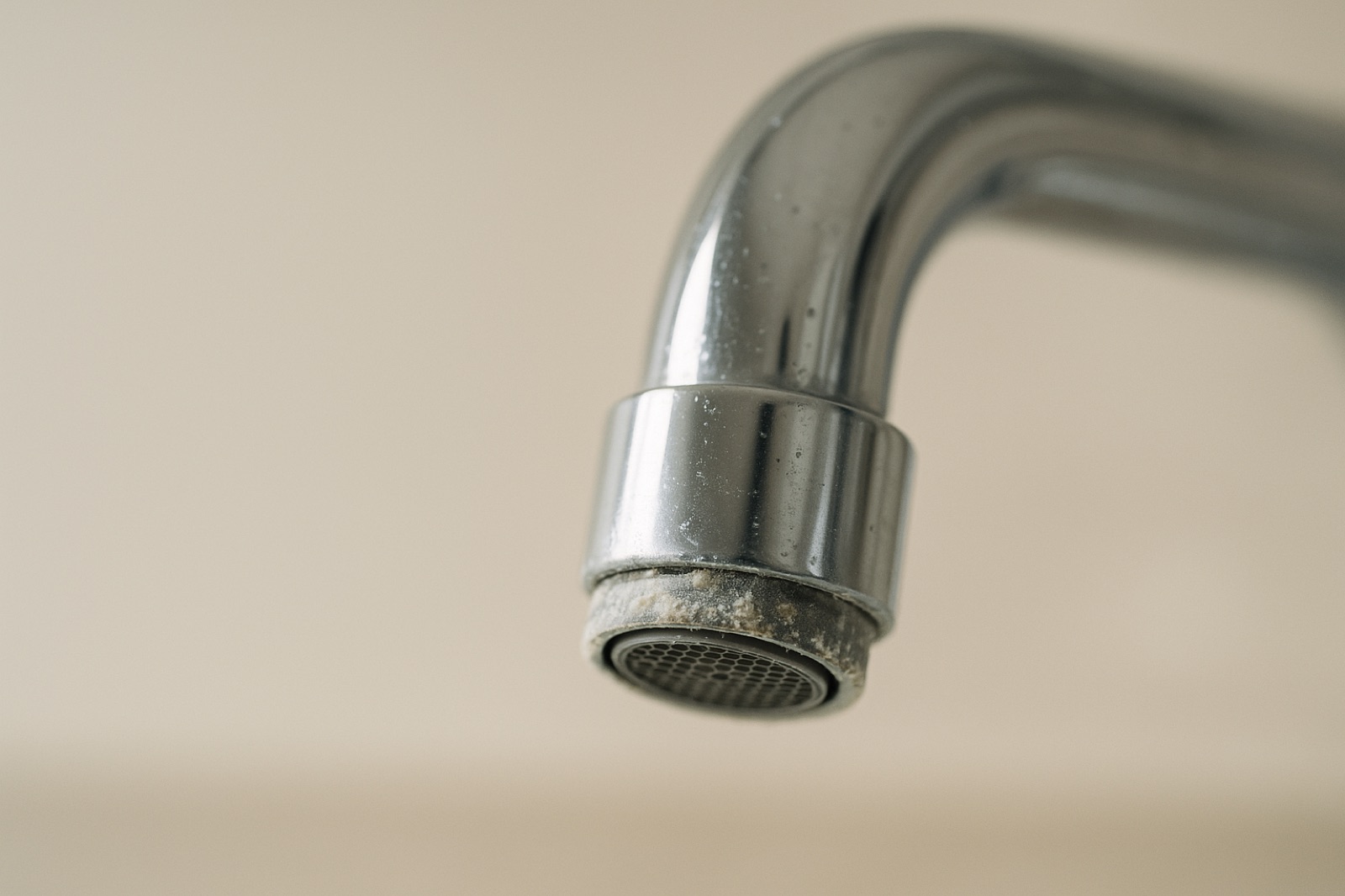
When it comes to maintaining your home, water quality is an often overlooked but critical factor. If you live in an area with hard water, investing in a water softener can not only enhance your quality of life but also extend the lifespan of your plumbing and appliances. With so many options available, it can be challenging to determine which water softener is right for you. In this guide, we will walk you through the essential factors to consider when choosing a water softener that meets your specific needs.
Understanding Hard Water
First, it's important to understand what hard water is. Hard water contains high levels of minerals, primarily calcium and magnesium. These minerals can lead to scale buildup in pipes, reduced efficiency of appliances, and dull laundry. While hard water isn't a health hazard, it can affect the efficiency of your home systems and the effectiveness of soaps and detergents.
Types of Water Softeners
When considering a water softener, you will generally encounter two main types: ion exchange softeners and salt-free softeners. Ion exchange softeners are the most common. They work by removing calcium and magnesium ions and replacing them with sodium or potassium ions. While effective, they do require periodic maintenance in the form of salt refills.
On the other hand, salt-free softeners, or water conditioners, do not remove minerals but rather change their structure to prevent scaling. They are a good option for those who wish to avoid adding sodium to their water, but they may not be as effective in extremely hard water situations.
Size and Capacity
Choosing the right size of water softener is crucial. Water softeners come in various sizes, measured in grains, which denote their capacity to soften the water. To find the right size for your home, consider your household water usage and the hardness level of your water. A rough estimate is that a family of four typically requires a softener with a capacity of 30,000 to 40,000 grains. You can find out your water hardness level through local water quality reports or home testing kits.
Cost Considerations
When budgeting for a water softener, keep in mind both the upfront cost and the long-term expenses, including maintenance and salt or conditioning materials. Ion exchange systems generally have a higher initial cost but might save you more in appliance longevity and reduced detergent use. Meanwhile, salt-free systems usually have lower initial costs but may require additional maintenance.
Installation and Maintenance
Installation of a water softener can often be handled as a DIY project if you are comfortable with plumbing tasks. However, professional installation might be worth considering to ensure it’s set up correctly. Once installed, be prepared for regular maintenance tasks such as adding salt for ion exchange systems or replacing filters in salt-free systems.
Environmental Impact
As water quality issues become more pressing due to climate change and urbanization, such as the recent salt water intrusion in Gambia, homeowners are increasingly mindful of the environmental impact of their choices. If sustainability is a priority for you, consider systems that use less salt or have a lower overall environmental footprint.
Conclusion
Choosing the right water softener involves weighing various factors including your water hardness, budget, and lifestyle preferences. By understanding the different types of softeners, their capacities, and the associated costs and maintenance needs, you can make a decision that not only improves your home’s water quality but also aligns with your values. Investing in the right water softener can lead to significant improvements in your daily life, making it a worthwhile consideration for any homeowner.