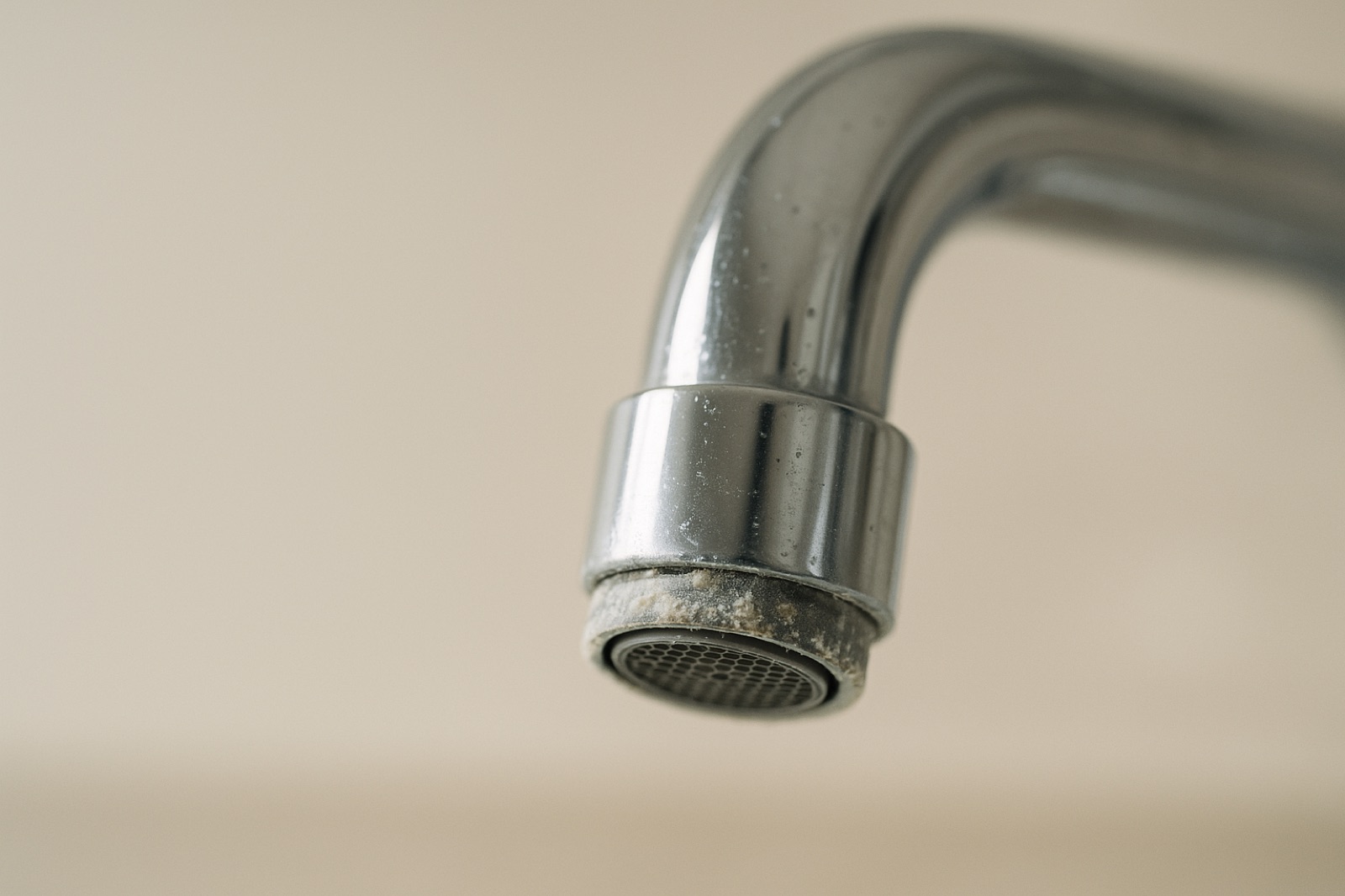
Choosing a water filtration system for your home can feel overwhelming, but it doesn’t have to be. With the right information and a clear understanding of your specific needs, you can select a system that keeps your family hydrated with clean, safe water.
Understanding Your Water Quality
The first step in selecting a filtration system is understanding what is in your water. You may need to conduct a water test to identify contaminants like chlorine, heavy metals, or harmful bacteria. Many companies offer at-home testing kits that can give you a snapshot of your water's composition.
One important note is that the Plastics Pipe Institute, Inc. (PPI) recently issued an advisory regarding certain crosslinked polyethylene (PEX) tubing products, which might indicate issues with water delivery systems. This advisory raises a broader question about the components of our home plumbing systems and their potential impact on water quality, highlighting the importance of ensuring that your water doesn’t just start clean but stays clean all the way to your tap Water Finance and Management.
Types of Filtration Systems
Once you know what contaminants are present, it's time to explore filtration options. Here are some popular types:
- Activated Carbon Filters: Ideal for removing chlorine, sediment, and volatile organic compounds (VOCs). These are commonly found in pitcher filters and faucet-mounted systems.
- Reverse Osmosis Systems: These systems use a semi-permeable membrane to remove a wide variety of contaminants, including heavy metals and some bacteria. They are typically installed under the sink.
- Whole House Filters: If you're looking for comprehensive filtration, whole house systems can be a good investment. They filter all the water entering your home and are particularly useful in areas with known water quality issues.
Assessing Your Needs and Budget
Your choice of filtration system should also take into account your household size and budget. If you are a family of four, a whole house system might provide the best value and peace of mind, whereas a smaller household may benefit from a less expensive pitcher filter.
Don’t forget to factor in the cost of maintenance and filter replacements, which can vary widely between systems. Be sure to read customer reviews and consider the long-term value of any system you are thinking about purchasing.
Installation Considerations
Some filtration systems require professional installation, while others can be easily set up by a homeowner. If you choose a more complex system like reverse osmosis, you may want to consider hiring a plumber to ensure everything is installed correctly. A good installation will help ensure that your filtration system operates effectively and efficiently.
Staying Informed About Water Quality
Finally, staying informed about the quality of your local water is essential. Issues like rising contamination levels or advisories can prompt you to reassess your filtration needs. For instance, current environmental changes and climate phenomena can impact water quality. In recent news, California is experiencing one of its highest numbers of sharks in years due to El Niño affecting marine life, which serves as a reminder of the interconnectedness of our ecosystems and the importance of clean water The Guardian.
In conclusion, choosing the right water filtration system is a critical decision that can greatly affect your family's health. By understanding your water quality, assessing your needs, and staying informed, you can make a wise choice that provides peace of mind for years to come.