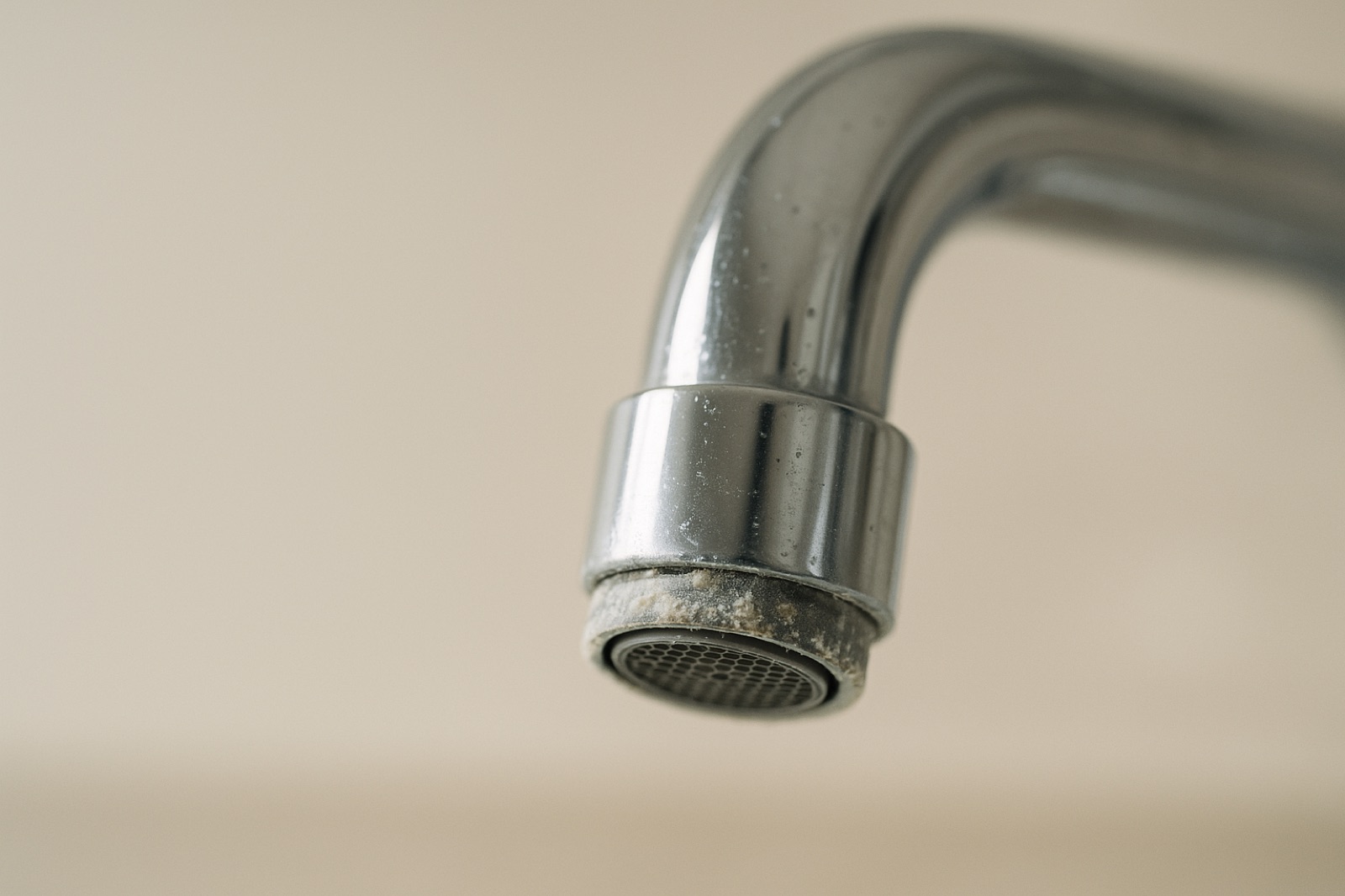
When it comes to maintaining your home, one often overlooked but essential aspect is the quality of your water. Hard water can lead to a host of issues, from limescale buildup in appliances to dry skin after showering. If you have noticed these problems, a water softener might be the solution you need.
Why Consider a Water Softener?
A water softener helps eliminate hard minerals like calcium and magnesium from your water supply. By replacing these minerals with sodium or potassium ions, softeners improve water quality, making it gentler on your skin and plumbing. You'll notice cleaner dishes, softer laundry, and an overall improvement in your home's water experience.
Types of Water Softeners
There are a few different types of water softeners available, each with its own advantages:
- Ionic Exchange Softeners: The most common type, these systems use resin beads to exchange hard minerals for sodium ions. They are effective and suitable for most households.
- Salt-Free Water Softeners: These systems do not actually soften water but rather prevent minerals from adhering to surfaces. They are a good option if you are looking for a more environmentally friendly solution.
- Dual-Tank Softeners: Ideal for larger households, these systems can provide a steady supply of softened water without interruption, as one tank regenerates while the other is in use.
How to Choose the Right System
Choosing the right water softener involves assessing your specific needs:
- Water Hardness: Test your water to determine its hardness level. Most test kits are simple and provide immediate results. This will help you understand the capacity required for your chosen system.
- Household Size: Larger households will need systems with higher capacity to ensure everyone has access to softened water.
- Maintenance: Consider how much time and effort you are willing to invest in maintaining the system. Some models require more frequent resin replacement or salt addition.
Real-World Considerations
Recent discussions around water management highlight the importance of ensuring your water systems are efficient and trustworthy. For instance, a report from Water Finance and Management discusses initiatives aimed at reversing non-revenue water through advanced metering infrastructure (AMI) in Jackson. Such advancements can also extend to residential water systems, emphasizing the need for effective management and reliable data.
Cost vs. Benefit
Investing in a water softener may seem daunting due to initial costs, but consider the long-term benefits. Softer water can extend the lifespan of your appliances, reduce energy bills, and improve your home's overall water quality. When weighing your options, look for models that offer warranties and reliable customer service to ensure peace of mind.
Conclusion
Ultimately, the right water softener can significantly improve your home environment, making daily tasks easier and your water safer and more pleasant to use. By understanding the types available and assessing your family’s needs, you can choose a solution that works best for you. Whether you opt for a traditional ionic exchange system or a salt-free alternative, you are taking a positive step toward improving your household water quality.